
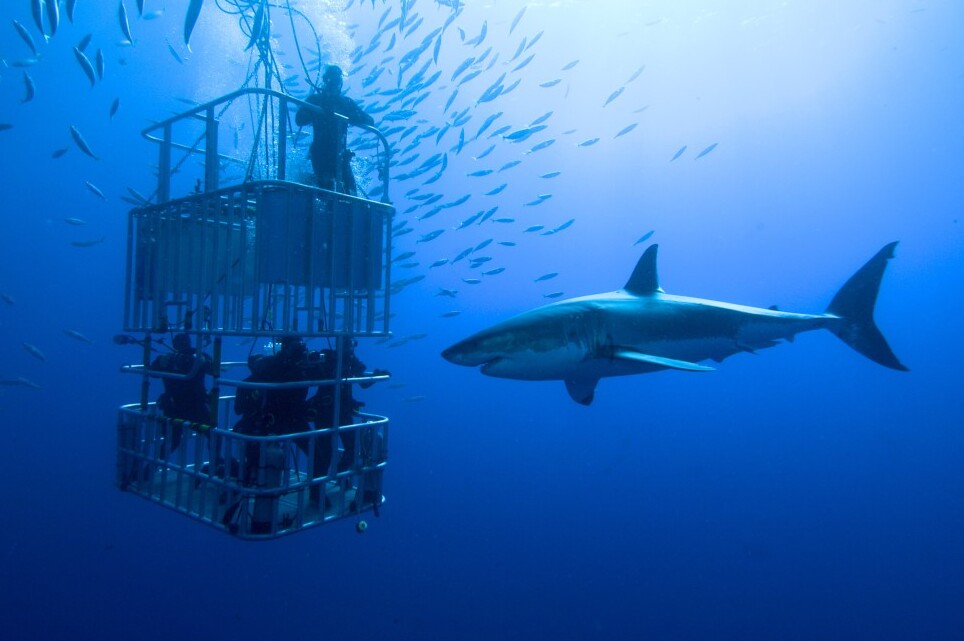

The azure waters off the coast of Gansbaai, South Africa hold a thrilling secret: a dense population of the ocean's most formidable predator, the Great White shark. Since 1995, this small town has been a magnet for adventurers seeking the adrenaline rush of cage diving. Yet, Gansbaai offers more than just a brush with these iconic creatures. It is a tapestry of history, culture, and natural beauty, waiting to be discovered.

Gansbaai's history is as rich and layered as the marine life in its waters. The region was originally inhabited by the Khoikhoi people, who thrived along the coast long before European settlers arrived. The town itself, named after the numerous flocks of Egyptian geese (or "gans" in Afrikaans) that once populated the area, was officially established in the early 19th century. A pivotal moment in its history came with the arrival of fishing fleets, which transformed Gansbaai into a bustling port. However, it was the discovery of the dense Great White shark population that truly put Gansbaai on the global map, shifting its identity from a fishing hub to a sought-after adventure tourism destination.
Walking through Gansbaai reveals a blend of utilitarian fishing architecture and the understated elegance of Cape Dutch style buildings. This architectural style, marked by its whitewashed walls and thatched roofs, reflects the Dutch colonial influence in the region. Though the town is small, its charm lies in its simplicity and the breathtaking natural vistas that surround it. A visit to the nearby Dyer Island, part of the Dyer Island Nature Reserve, offers insight into local conservation efforts aimed at protecting the delicate marine ecosystem.

Cultural traditions in Gansbaai are deeply intertwined with the sea. Fishing remains a key part of life here, celebrated each year with the Grootbos Festival, a vibrant event showcasing local music, dance, and seafood. The festival is a testament to the community's connection to its maritime roots. Another notable tradition is the annual Blessing of the Fishing Fleet, a ceremonial practice that dates back decades, where boats are decorated and blessed for safety and prosperity.
When it comes to gastronomy, Gansbaai serves a delectable array of seafood, freshly caught from its bountiful waters. Visitors should not miss tasting the local delicacy, snoek, a type of mackerel that is typically grilled or smoked. Pair it with a glass of the region's renowned Chenin Blanc, and you have a meal that perfectly encapsulates the flavors of the Western Cape. For those with a sweet tooth, koeksisters—a syrup-soaked doughnut-like pastry—offer a delightful finish to any meal.
Beyond the obvious attractions, Gansbaai harbors lesser-known curiosities that add to its allure. For instance, the town is near the site of an ancient maritime mystery: the sinking of the HMS Birkenhead in 1852, one of the first instances of the "women and children first" protocol. The wreck, now a haunting dive site, is a poignant reminder of the sea's power.
For those planning a visit to Gansbaai, timing is everything. The best months for shark cage diving are from May to October, when the waters are cooler and visibility is higher. It’s advisable to book tours in advance, as this unique experience is in high demand. Beyond the dive, visitors should explore the surrounding beauty of Walker Bay and the Overberg region, home to fynbos-covered hills and breathtaking cliff paths.
Embrace the unpredictability of nature while in Gansbaai. The weather can change rapidly, and with it, the moods of the ocean. Dress in layers, carry waterproof gear, and prepare to be awed by the raw beauty of the landscape. Remember, the true magic of Gansbaai lies not just in its thrilling encounters, but in its ability to connect you to both nature and history in profound ways.


