
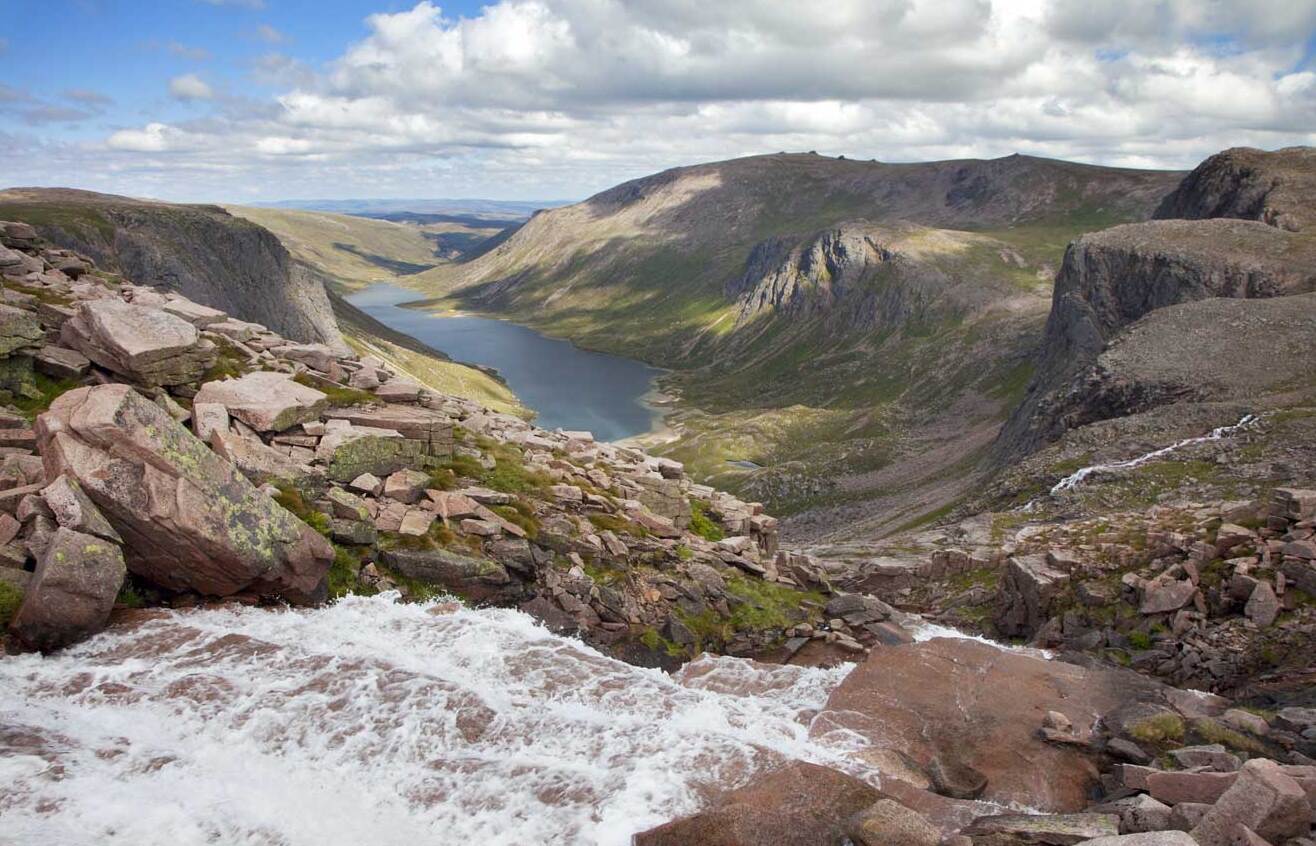

Nestled in the heart of Scotland, Cairngorms National Park is a breathtaking tapestry of rugged mountains, lush forests, and shimmering lochs that beckons adventurers and nature lovers alike. Spanning over 1,500 square miles, this national park is not just a stunning landscape; it is a living testament to Scotland's rich history and vibrant culture.
History and Origins
The history of the Cairngorms is as layered as its geological formations. The area is home to some of the oldest rocks in the world, dating back approximately 500 million years. These ancient formations have shaped the landscape and supported diverse ecosystems. The park's name derives from the Cairn Gorm, a prominent mountain that has been a site of significance for centuries.
In the 18th century, the Cairngorms became a popular retreat for the Scottish elite, who were drawn to its stunning vistas and hunting grounds. Notably, Queen Victoria played a pivotal role in promoting the area when she and Prince Albert built Balmoral Castle in 1852, further embedding the Cairngorms in the fabric of Scottish aristocracy. The park was officially designated as a national park in 2003, becoming the UK’s largest national park and a sanctuary for both wildlife and visitors.
Art and Architecture
The architectural style within the Cairngorms reflects a blend of traditional Scottish Highland designs with modern influences. The iconic Balmoral Castle, with its turreted towers and sprawling grounds, exemplifies Victorian architecture's romantic ideals. Meanwhile, local villages like Braemar and Grantown-on-Spey feature quaint stone buildings that echo the region's history.
Art flourishes here too; you can witness it in the works of local artisans who draw inspiration from the natural landscape. The park's raw beauty has inspired numerous poets and writers, including John Muir, a Scottish-American naturalist whose writings have left an indelible mark on conservation. The Cairngorms’ rugged wilderness continues to inspire contemporary artists, whose works often reflect the stark yet beautiful contrasts found in the park.
Local Culture and Traditions
The culture of the Cairngorms is steeped in Scottish traditions that celebrate the natural world. Local customs are often tied to the seasons, with festivals such as the Braemar Gathering, Scotland's oldest and most famous Highland Games, taking place every September. This event showcases traditional Scottish sports, including caber tossing and tug-of-war, drawing spectators from far and wide.
Music and dance are integral to the local culture, with ceilidh events held regularly in community halls. The region is also known for its rich storytelling tradition, where tales of ancient warriors and mythical creatures weave through the fabric of local life, passed down through generations.
Gastronomy
The culinary offerings in the Cairngorms are a delightful reflection of the region's natural bounty. Local specialities include haggis, a traditional Scottish dish made from sheep’s offal, and neeps and tatties (turnips and potatoes). The area is also famous for its game meat, with venison being a standout, often sourced from the surrounding estates.
For those with a penchant for liquid treasures, the Cairngorms are home to several renowned distilleries, producing single malt whisky that delights connoisseurs. The Speyside Whisky Trail, located nearby, showcases the rich heritage of whisky production and includes iconic names like Glenfiddich and Macallan.
Lesser-known Curiosities
While the towering peaks and sweeping valleys capture most visitors' attention, there are hidden gems waiting to be discovered. One such curiosity is the Cairngorm Reindeer Herd, the only free-ranging reindeer herd in the UK, introduced in the 1950s. These gentle creatures roam the mountains, and visitors can join guided tours to learn about their habitat.
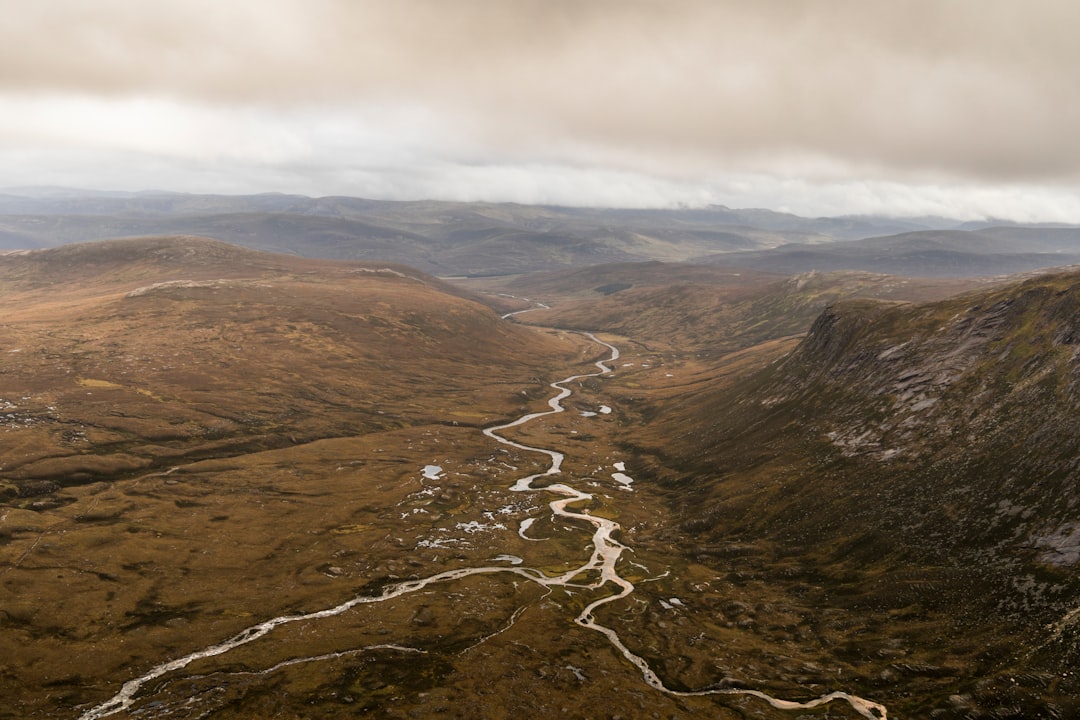
Additionally, the Lairig Ghru, a high mountain pass, offers not only stunning views but also the chance to walk in the footsteps of ancient travelers. This path has been used for centuries, highlighting the park's role as a vital corridor connecting the north and south of Scotland.
Practical Visitor Information
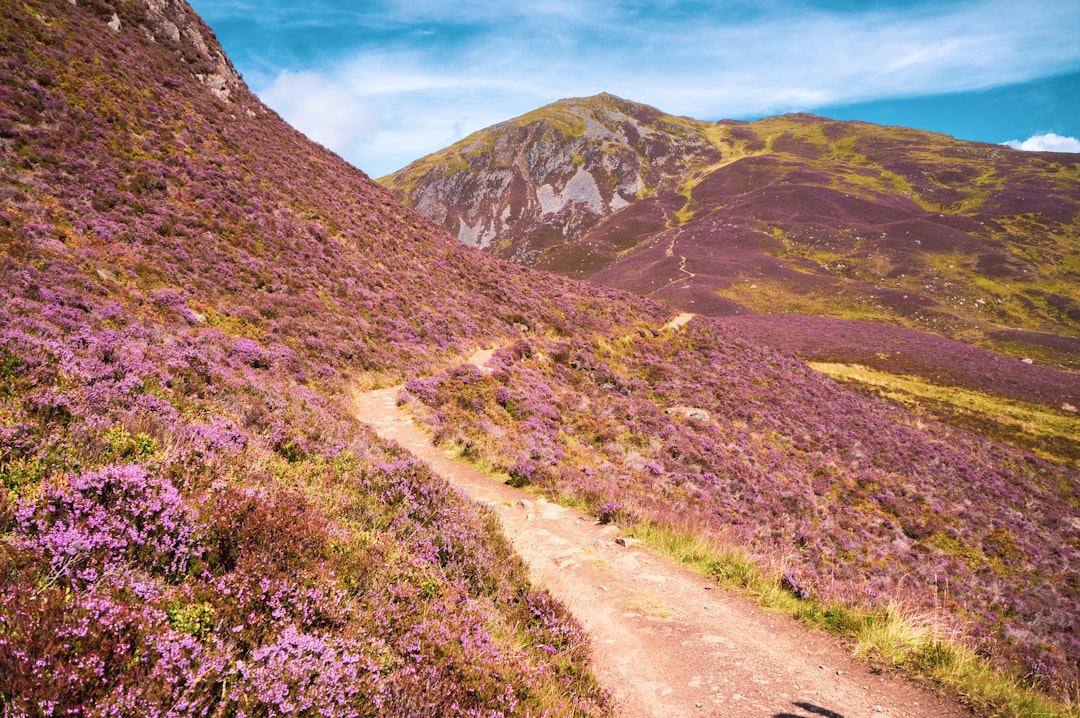
The best time to visit the Cairngorms National Park is during the late spring and early autumn months when the weather is milder, and the landscape is awash with color. Spring brings blooming wildflowers, while autumn showcases vibrant foliage.
For those planning a visit, it's wise to pack layers, as the weather can change rapidly. Be sure to carry a good map or download a reliable app for navigation, especially if you plan on hiking the many trails. Key highlights include the Cairngorm Mountain Railway, which offers stunning views of the surrounding peaks, and the beautiful Loch Morlich, perfect for kayaking or a serene picnic.
Whether you seek adventure, tranquility, or a taste of Scottish culture, the Cairngorms National Park promises an unforgettable experience. To make the most of your trip, consider using the Secret World app to help tailor your journey through this captivating landscape.


