
🎄 Win a month in Italy for two — €10,000 · The Secret Italy Prize GO →
← Back

Calabria | Metauros Archaeological Museum

Calabria | Metauros Archaeological Museum — Gioia Tauro, Italia.

Via Roma, C/o Palazzo Baldari, 89013 Gioia Tauro RC, Italia ★★★★☆ 202 views
Raffaella Bellanova
Gioia Tauro
🏆 AI Trip Planner 2026

Get the free app

Discover the best of Gioia Tauro with Secret World — the AI trip planner with 1M+ destinations. Get personalized itineraries, hidden gems and local tips. Free on iOS & Android.

🧠 AI Itineraries 🎒 Trip Toolkit 🎮 KnowWhere Game 🎧 Audio Guides 📹 Videos
Scan to download iOS / Android
Scan for AppGallery Huawei users

About Calabria | Metauros Archaeological Museum

Calabria | Metauros Archaeological Museum - Gioia Tauro | Secret World Trip Planner

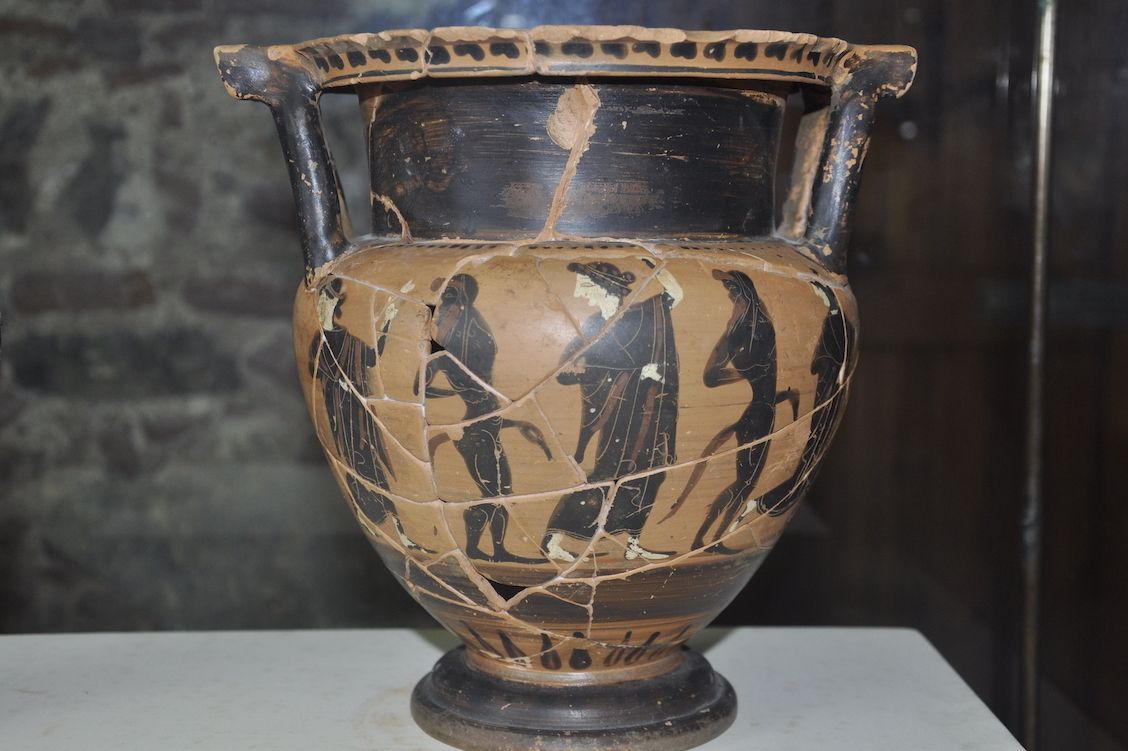
The Metauros Archaeological Museum has been set up in the 18th century Palazzo Baldari in the historic centre of Gioia Tauro and illustrates the history of Métauros, a centre founded by the inhabitants of Zancle (now Messina) for expansionist-commercial reasons and subsequently passed under the influence of the colony of Locri in the 6th century.C.The intense urbanization of the natural terrace of Piano delle Fosse, seat of the ancient settlement, did not allow for in-depth investigations; instead, it was possible to excavate in extension the coastal strip that gave back the great necropolis of the VII -V century B.C. The rich trousseaus attest to the close links of Métauros with the centres of Mylae, Zancle and Rhegion and with sites in the southern Tyrrhenian Sea, as well as documenting trade with the Mediterranean area. The museum itinerary, which occupies the entire ground floor of the building, offers mainly material from the area of the necropolis excavated in the last century and which has also returned significant evidence of indigenous presence of the seventh century BC. Among the artefacts on display are aryballoi, alabastra of insular production, painted Attic pottery and black figures, and SOS-type transport amphorae.

A space is reserved for funerary discoveries from the Roman age (II-III century AD) when the city began to be inhabited again, after being abandoned in the classical and Hellenistic age. Among the pottery on display are very refined glass vases, decorated with applied motifs, which can be classified as imports from the Mediterranean area, confirming the commercial vocation of Métauros even in Roman times.

The medieval age is testified by ceramic materials coming from an area of butto located between the remains of the so-called "Norman" square tower and the surrounding walls, in the northernmost part of the Piano delle Fosse. Pottery dating between the 13th century and the Renaissance is also documented.

🗺 AI Trip Planner 2026 🎄 Win a month in Italy — €10,000 →

Plan your visit to Gioia Tauro

Suggested itinerary near Calabria | Metauros Archaeological Museum

MAJ+
500.000+ travelers worldwide
  1. 🌅
    Morning
    Calabria | Metauros Archaeological Museum
    📍 Gioia Tauro
  2. ☀️
    Afternoon
    The myth of Donna Canfora and the Taurian Park
    📍 4.9 km · Gioia Tauro
  3. 🌆
    Evening
    Calabria | Temple of San Fantino
    📍 5.3 km · Gioia Tauro

Buy Unique Travel Experiences

Powered by Viator

See more on Viator.com

Explore nearby · Gioia Tauro

Frequently Asked Questions

The Metauros Archaeological Museum is housed in the 18th century Palazzo Baldari in the historic centre of Gioia Tauro, Calabria. It documents the history of Métauros, an ancient settlement founded by inhabitants of Zancle (modern Messina) for commercial expansion purposes, which later came under the influence of the colony of Locri in the 6th century BC.
The museum's ground floor features primarily material from the 7th-5th century BC necropolis, including aryballoi, alabastra of insular production, painted Attic pottery with black figures, and SOS-type transport amphoras. Additionally, there are refined Roman-era glass vases from the 2nd-3rd century AD with applied decorative motifs, and medieval pottery from the 13th century through Renaissance period.
The rich funerary trousseaus found in the necropolis demonstrate close commercial links between Métauros and other Mediterranean centers including Mylae, Zancle, Rhegion, and sites in the southern Tyrrhenian Sea. This trading pattern continued through Roman times, with imported glass vessels confirming the city maintained its commercial importance even after being abandoned during the classical and Hellenistic periods.
The coastal necropolis, which was excavated in the last century, provided the majority of artifacts displayed in the museum and represents the most extensively excavated area of ancient Métauros. It contains artifacts spanning from the 7th century BC and includes important evidence of indigenous presence, offering crucial insights into the settlement's early history and cultural connections.
The medieval collection features ceramic materials from the 13th century through the Renaissance period, recovered from an area between the remains of the so-called 'Norman' square tower and surrounding walls in the Piano delle Fosse. This section documents the region's continuity of habitation and cultural evolution into the medieval period after the site had been abandoned during classical antiquity.
Secret World Hidden places, real stories — plan your trip
Get the app
