
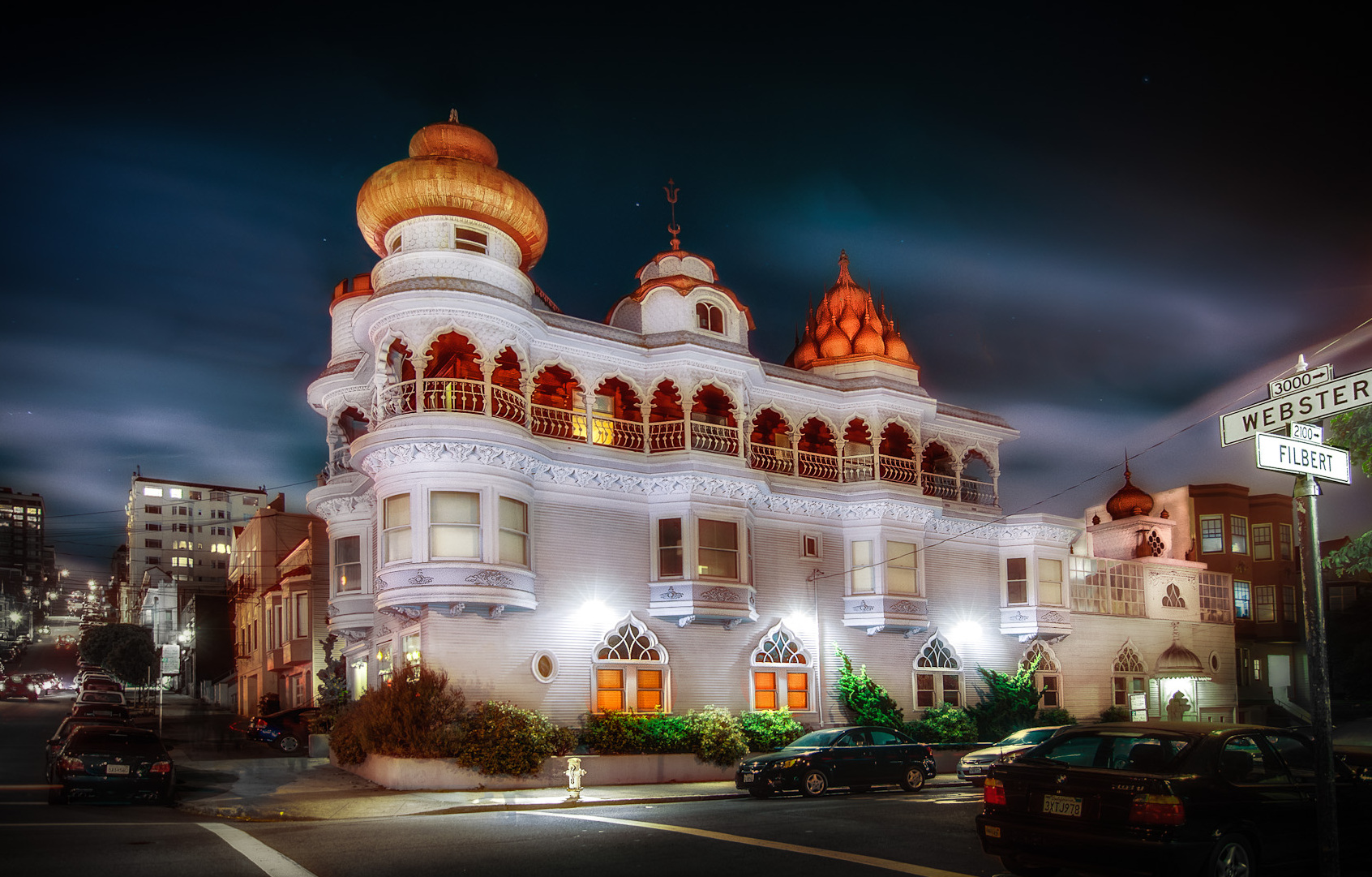

Nestled in the hills of San Francisco, the Vedanta Temple is a captivating architectural marvel that seamlessly blends diverse cultural influences. Established in 1905 by architect Joseph A. Leonard, this temple serves as a spiritual sanctuary and a visual feast for visitors. The temple’s design incorporates a myriad of styles—from the onion-shaped dome reminiscent of Russian Orthodox churches to the Moorish arches that evoke the grandeur of Islamic architecture. It stands as a testament to the city’s eclectic spirit and its rich cultural tapestry.
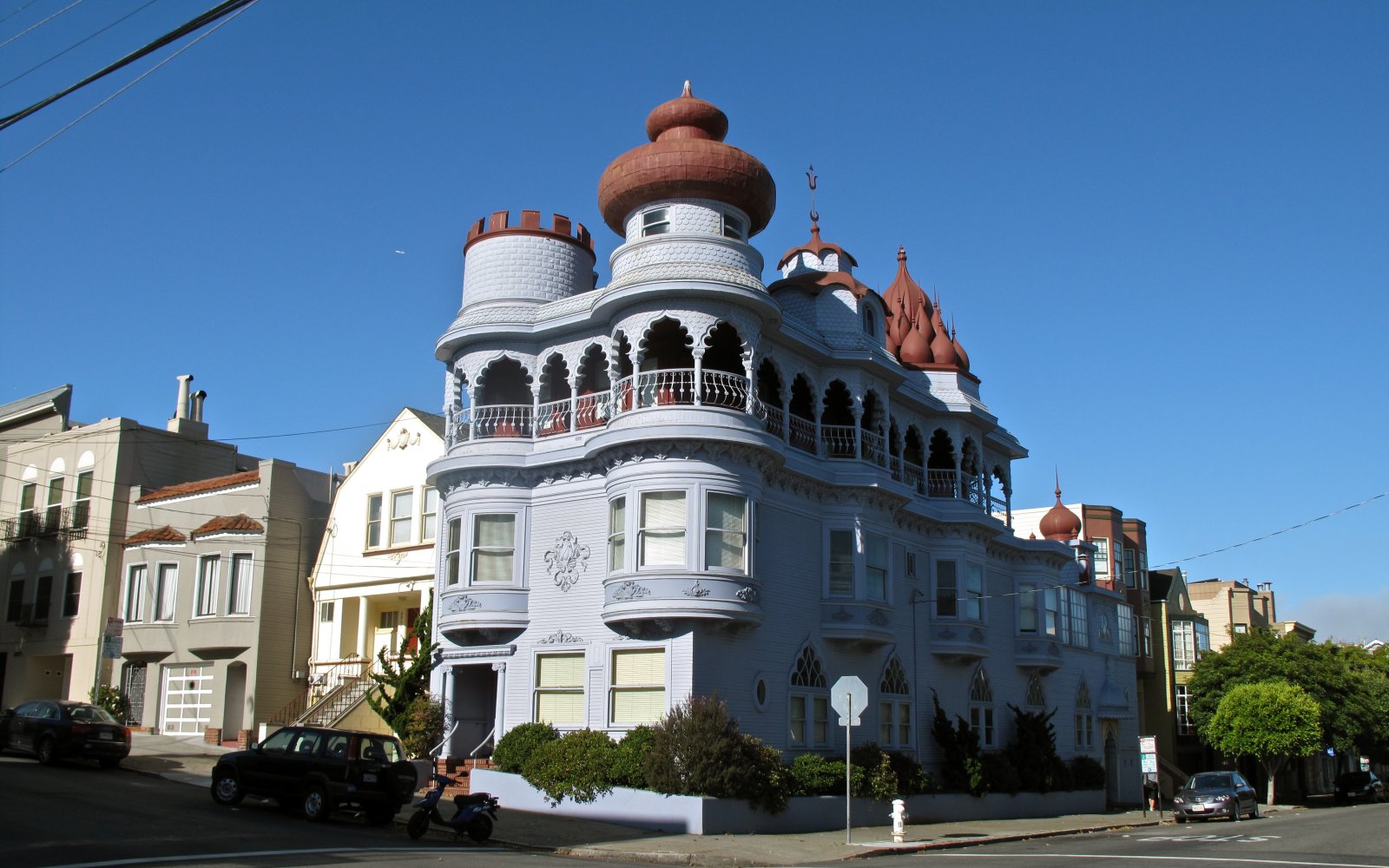
The origins of the Vedanta Temple can be traced back to the teachings of Swami Vivekananda, who introduced Vedanta, a school of Hindu philosophy, to the Western world in the late 19th century. Inspired by his vision, a group of followers established the Vedanta Society of Northern California in 1900, with the temple becoming a focal point for spiritual seekers and those interested in Eastern philosophies. Over the years, it has hosted numerous events, lectures, and gatherings, fostering a sense of community among diverse groups.
Architecturally, the temple is a treasure trove of styles. The rusty red onion dome symbolizes the fusion of cultures, while the crenellated tower and octagonal cupola draw from European and Hindu traditions respectively. Inside, visitors are greeted by intricate woodwork and stunning stained glass that depict various religious motifs, enhancing the temple's serene ambiance. The temple’s design is not merely decorative; it symbolizes the unity of all spiritual paths, a core tenet of the Vedanta philosophy.
Culturally, the Vedanta Temple plays a significant role in the community, hosting festivals, meditation sessions, and yoga classes. The most notable event is the Vivekananda Celebration, held annually in January to honor Swami Vivekananda’s birth. This vibrant festival features lectures, music, and traditional food, drawing participants from all backgrounds and fostering intercultural dialogue.
The culinary scene around the Vedanta Temple is equally rich, reflecting San Francisco's diverse population. While the temple does not serve food, nearby neighborhoods offer a variety of options that blend Indian and California cuisines. Be sure to try a traditional samosa, a savory pastry filled with spiced potatoes, or indulge in a plate of paneer tikka, grilled cheese cubes marinated in aromatic spices. Pair your meal with a refreshing mango lassi, a yogurt-based drink that perfectly complements the flavors of Indian cuisine.
For those seeking lesser-known curiosities, the Vedanta Temple houses a unique bell that was once used in a Hindu temple in India. This bell is not only a significant artifact but also serves as a reminder of the temple’s connection to its roots. Additionally, the temple grounds are home to a small garden filled with various plants, each chosen for its symbolic meaning in Hindu culture, providing visitors with a tranquil escape from the bustling city.
The best time to visit the Vedanta Temple is during the spring and fall, when the weather is mild and the gardens are in full bloom. Visitors should also be mindful of the temple’s schedule, as it hosts regular meditation sessions that can enhance your experience. Be sure to take a moment to observe the intricate details of the architecture and explore the surrounding neighborhood, which is rich in history and charm.
In conclusion, the Vedanta Temple stands as a beacon of cultural exchange and spiritual exploration in San Francisco. Its eclectic architecture, vibrant community events, and serene atmosphere make it a must-visit for anyone interested in the rich tapestry of human experience. Discover the stories woven into its walls and the traditions that continue to thrive within its embrace.
To delve deeper into the wonders of San Francisco, consider using the Secret World app for a personalized itinerary tailored to your interests.


