



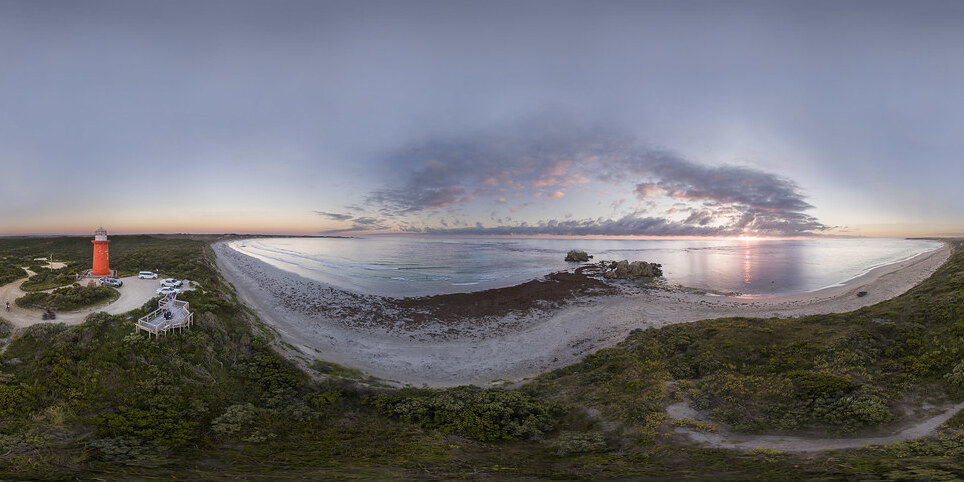
Perched atop the rugged cliffs of Carpenter Rocks, the Cape Banks Lighthouse stands as a sentinel of maritime history and natural beauty. Established to illuminate one of Australia’s most treacherous coastal passages, this iconic structure has witnessed countless stories of adventure and tragedy since its inception. Its striking toxic-waste orange hue makes it a conspicuous landmark, drawing visitors eager to explore its history and the dramatic landscape that surrounds it.

### History and Origins The Cape Banks Lighthouse was commissioned in 1858, a response to the dire need for navigational aids in the waters off South Australia. Though it was not operational during the infamous wreck of the Admella in 1859, which claimed 89 lives, the lighthouse became a crucial part of the region's maritime safety efforts after its activation in 1865. The light it cast across the turbulent waters guided not just ships but also the hopes of those who depended on the sea for their livelihoods.
The lighthouse was built from local limestone, a testament to the natural resources available in the region. The structure's octagonal design, typical of lighthouses from the period, features a lantern room that has undergone various technological upgrades over the years. The most recent modernization occurred in 1995, transitioning from a traditional light source to a more efficient solar-powered system.
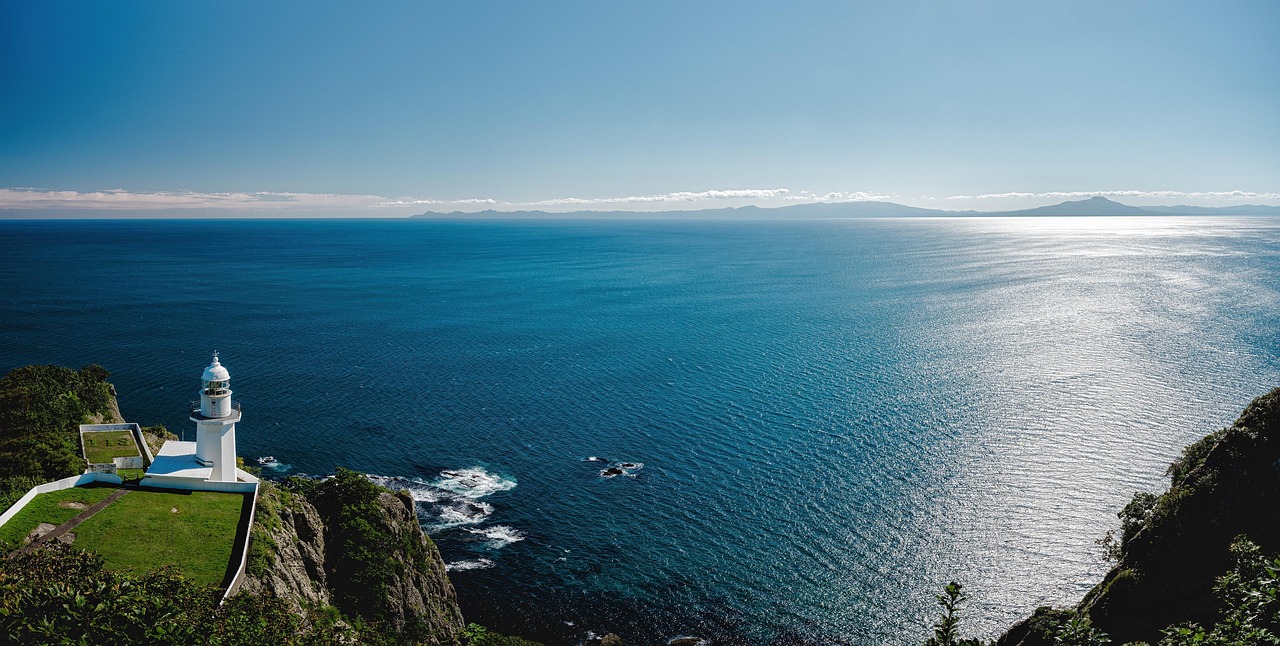
### Art and Architecture Architecturally, the Cape Banks Lighthouse embodies the colonial style of the 19th century, characterized by its robust construction and functional design. Standing at 22 meters high, the lighthouse is crowned with a distinctive lantern that has served as a beacon for sailors navigating the challenging waters of the Southern Ocean.
The surrounding area is equally captivating, with breathtaking vistas of the rugged cliffs and pristine beaches. The coastal landscape is dotted with native flora, adding to the charm of this historical site. Visitors often marvel at the juxtaposition of the lighthouse against the striking backdrop of the ocean, perfect for photography and contemplation.
### Local Culture and Traditions The culture surrounding Carpenter Rocks is deeply intertwined with the maritime heritage of the region. Local customs often revolve around fishing and the sea, with many families having a long-standing tradition of fishing in the waters nearby. Carpenter Rocks also hosts seasonal fishing competitions, drawing enthusiasts from across the state.
Every January, the community celebrates the Carpenter Rocks Fishing Festival, where locals gather to share their love for the ocean, participate in fishing contests, and enjoy local seafood delicacies. This festival highlights the important role that the sea plays in the lives of residents and fosters a sense of community pride.
### Gastronomy The culinary scene in Carpenter Rocks is heavily influenced by its coastal setting. Fresh seafood dominates local menus, with dishes featuring abalone, rock lobster, and various fish varieties being particularly popular. Many local eateries offer a taste of the ocean, often sourcing their ingredients directly from fishermen in the area.
Don't miss the chance to try the classic fish and chips, best enjoyed with a view of the lighthouse. Pair your meal with a glass of local South Australian wine, known for its rich flavors and excellent quality. The region's vineyards produce some noteworthy varieties, making it a perfect complement to a seafood feast.
### Lesser-known Curiosities While the lighthouse is undoubtedly the star attraction, there are hidden gems in the surrounding area that are often overlooked. For instance, the Canunda National Park, where the lighthouse is located, offers stunning coastal scenery and is home to several endangered species, including the Southern Emu-wren. The park features walking trails that provide an intimate experience with the region's unique wildlife and landscapes.
Another curiosity is the shipwrecks that dot the waters off Cape Banks. While the Admella is the most notorious, several other vessels have met their fate in these waters, each with a story that adds depth to the maritime history of the area. Some adventurous visitors even take part in guided dives to explore these submerged relics.
### Practical Visitor Information The best time to visit Cape Banks Lighthouse is during the warmer months, from late spring to early autumn (November to March). During this period, the weather is milder, making it ideal for outdoor activities and exploration. However, the lighthouse can be enjoyed year-round, with each season offering a unique perspective of the landscape.
When planning your visit, be sure to bring your camera, as the views from the lighthouse and the surrounding cliffs are nothing short of spectacular. Binoculars are also a great addition for spotting marine life and birds. While there are no facilities at the lighthouse itself, nearby Carpenter Rocks offers basic amenities, including picnic areas and public restrooms.
Whether you're a history buff, a nature lover, or simply looking for a scenic escape, Cape Banks Lighthouse and its surroundings promise a rich experience steeped in culture and history. For personalized recommendations on your visit, consider using the Secret World app to plan your itinerary.
