
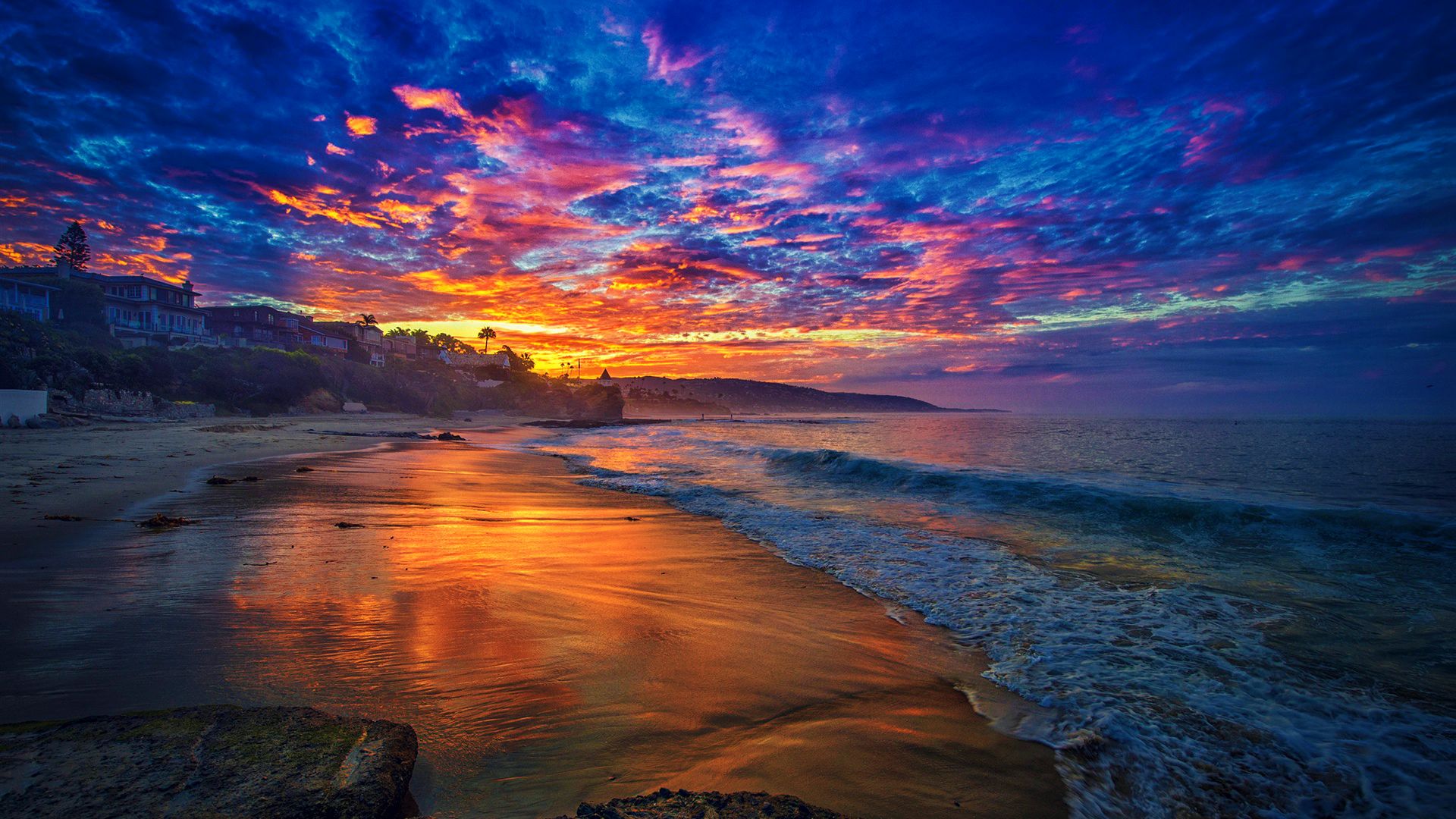

Cape Cod, a crescent-shaped peninsula jutting into the Atlantic Ocean from the southeastern corner of Massachusetts, is a place where history, art, and natural beauty converge. It is a tapestry woven with threads from its indigenous origins to its modern charm, offering a unique blend of experiences that captivate every traveler who sets foot on its sandy shores.
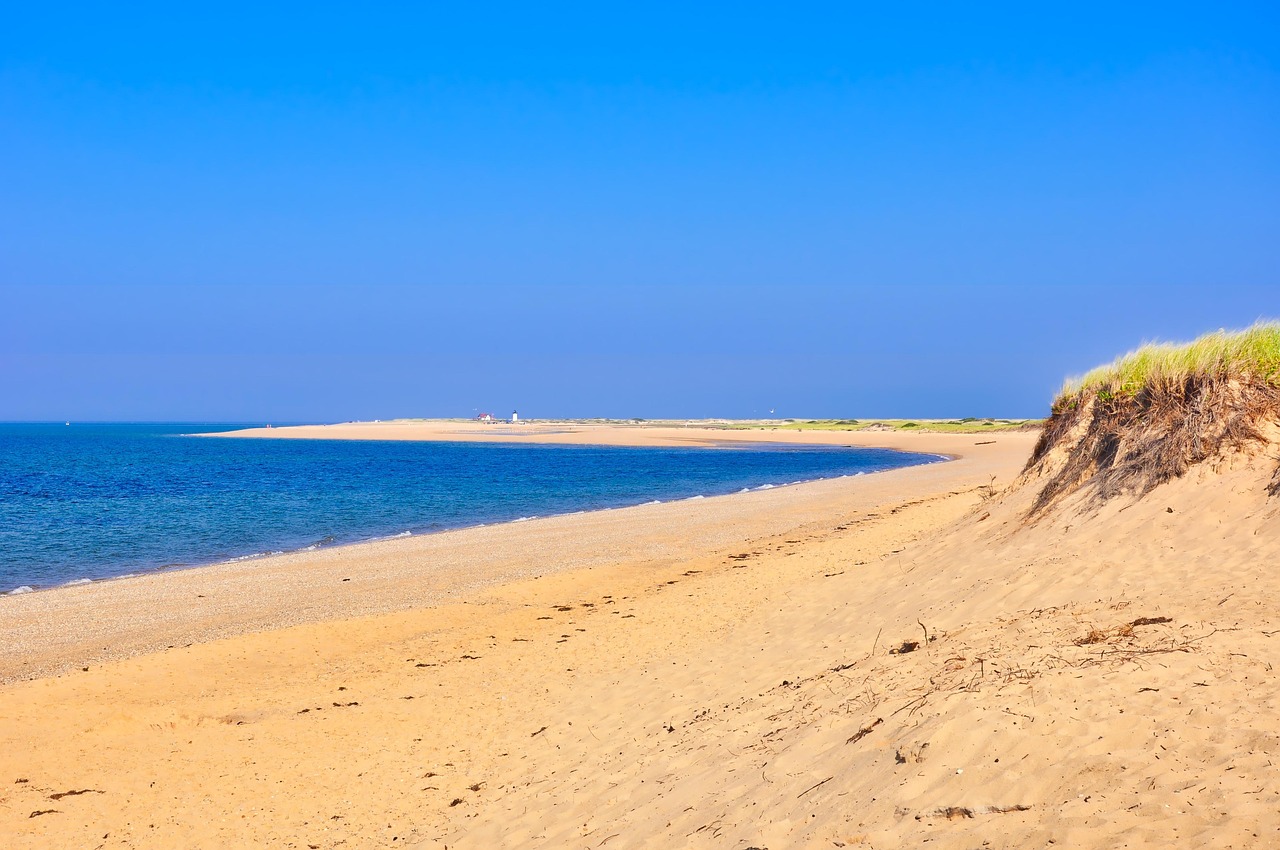
The story of Cape Cod begins long before European settlers arrived. The Wampanoag people, who called this land home for thousands of years, named it "Naushon Island," a testament to their deep connection with the sea and the land. In 1602, English explorer Bartholomew Gosnold landed here and named it Cape Cod after the abundant codfish he encountered. This marked the beginning of European interest in the region. By the 17th century, the Pilgrims made their first landing in Provincetown before settling in Plymouth, and the area became a pivotal point in early American history.
Cape Cod's architectural landscape is a delightful journey through time. Its quintessential Cape Cod-style homes, characterized by steep roofs, symmetrical design, and central chimneys, are iconic. These homes reflect the practicality and simplicity of the colonial period, designed to withstand the harsh New England winters. The Provincetown Art Colony, established in the early 20th century, has made the region a haven for artists. It attracted luminaries like Edward Hopper, who found inspiration in the Cape's dramatic light and serene landscapes. Today, galleries and art studios dot the towns, making it a vibrant hub for creativity.
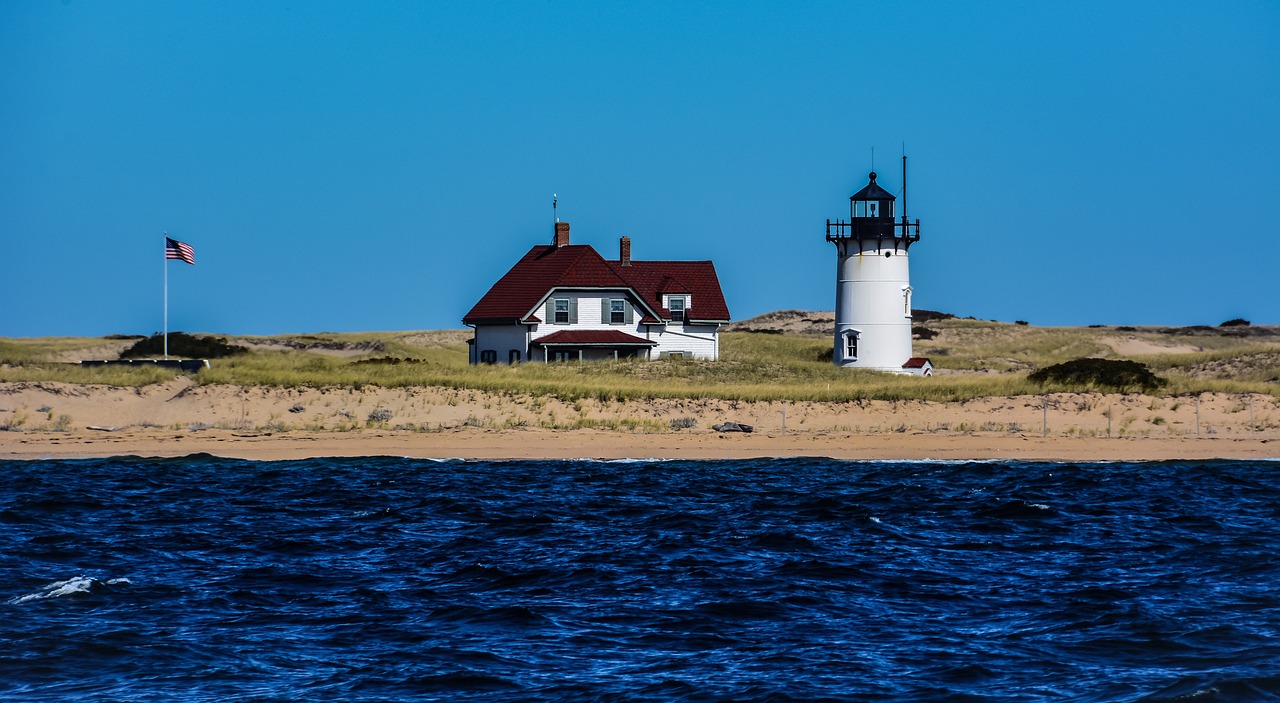
Cultural traditions on Cape Cod are as varied as its landscapes. The annual Barnstable County Fair, held since 1844, is a summer highlight that celebrates the area's agricultural roots with livestock shows, craft displays, and local foods. The Wellfleet OysterFest, held every October, is a must-visit for seafood lovers, showcasing the region's famed shellfish and offering a deep dive into the Cape's maritime culture. Visitors can also experience the traditional cranberry harvest, a nod to the Cape's long-standing agricultural heritage.
No visit to Cape Cod is complete without indulging in its gastronomic delights. The region's culinary scene is deeply tied to the ocean. Lobster rolls, freshly caught clam chowder, and fried clams are staples, reflecting the Cape's reliance on the sea. At local clam shacks and upscale restaurants alike, you can savor the bounty of the Atlantic. Do not miss the opportunity to try a Cape Codder cocktail, a refreshing blend of cranberry juice and vodka, named after the peninsula and a testament to its cranberry-producing prowess.
Beyond the well-trodden paths, Cape Cod holds numerous lesser-known curiosities. The Edward Gorey House in Yarmouth Port offers a glimpse into the whimsical world of the famed illustrator, known for his macabre and mysterious art. The Cape Cod National Seashore, established by President John F. Kennedy in 1961, encompasses over 40 miles of pristine beaches and marshland, preserving the natural beauty that continues to enchant visitors. For a quirky slice of history, the Truro Vineyards offers a look at winemaking on the Cape, where the unique coastal climate presents its own set of challenges and flavors.
For those planning a visit, timing is everything. The best time to visit Cape Cod is from late spring through early fall, when the weather is mild, and most attractions are open. Summer is the peak tourist season, so expect bustling towns and lively beaches. For a quieter experience, visit in September or October, when the foliage begins to turn and local festivals abound. To truly immerse yourself, rent a bike and explore the Cape Cod Rail Trail, which winds through forests and along beaches, offering a scenic and leisurely way to take in the sights.
Cape Cod's multifaceted charm lies in its ability to seamlessly blend history, art, and natural beauty. Whether you're drawn by its storied past, its artistic legacy, or its culinary wonders, this New England gem invites you to discover its many faces and leave with memories that linger long after the sand has left your shoes.


