


The wind arrives without warning, laden with Atlantic salt, and the cliffs plunge for dozens of meters directly into the ocean. The Farol do Cabo Espichel, perched at the southernmost tip of the Setúbal Peninsula in Portugal, is one of those places where the land truly seems to end. It is not a metaphor: medieval navigators called this promontory Caput Iaculi, the head of the javelin, and looking at the sharp profile of the cliffs that cut into the Atlantic, one immediately understands why.

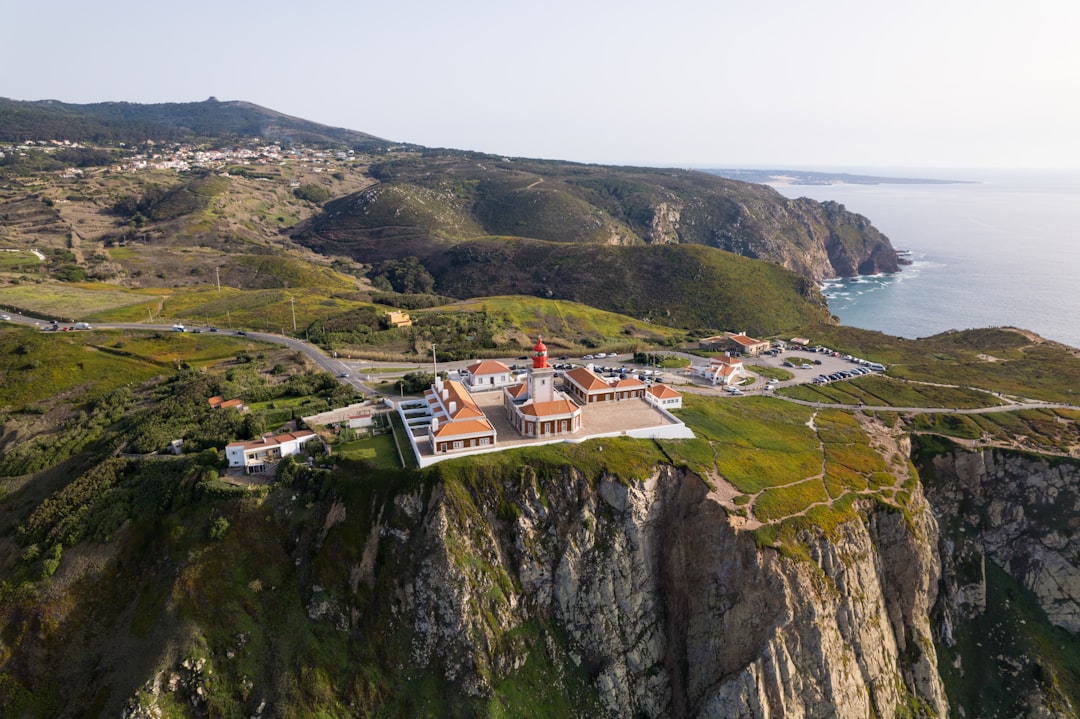
Reaching the lighthouse requires a bit of effort, but it is this remoteness that preserves its wild character. It is located about 40 kilometers southwest of Lisbon, in the municipality of Sesimbra, accessible by car via roads that traverse the Mediterranean scrub of the Serra da Arrábida. There are no direct bus connections from the capital, so private transport is almost mandatory. Once parked, the landscape that unfolds is immediate and unfiltered: the ocean on one side, silence on the other.
The lighthouse and its history
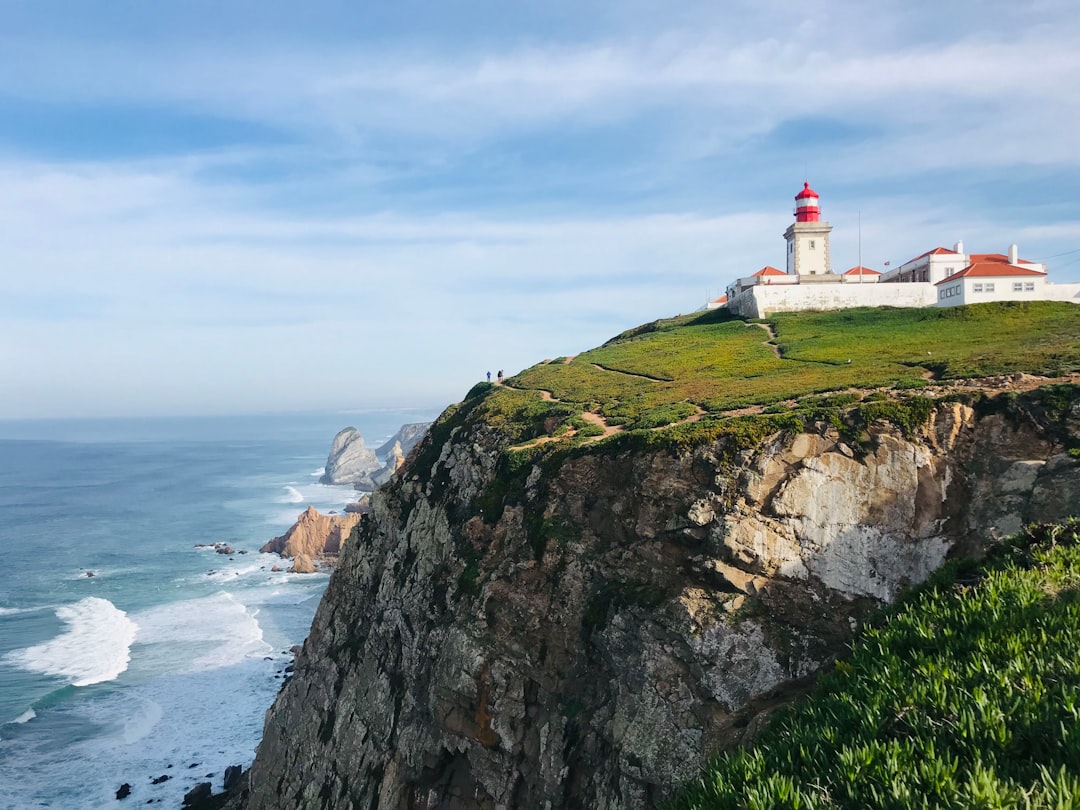
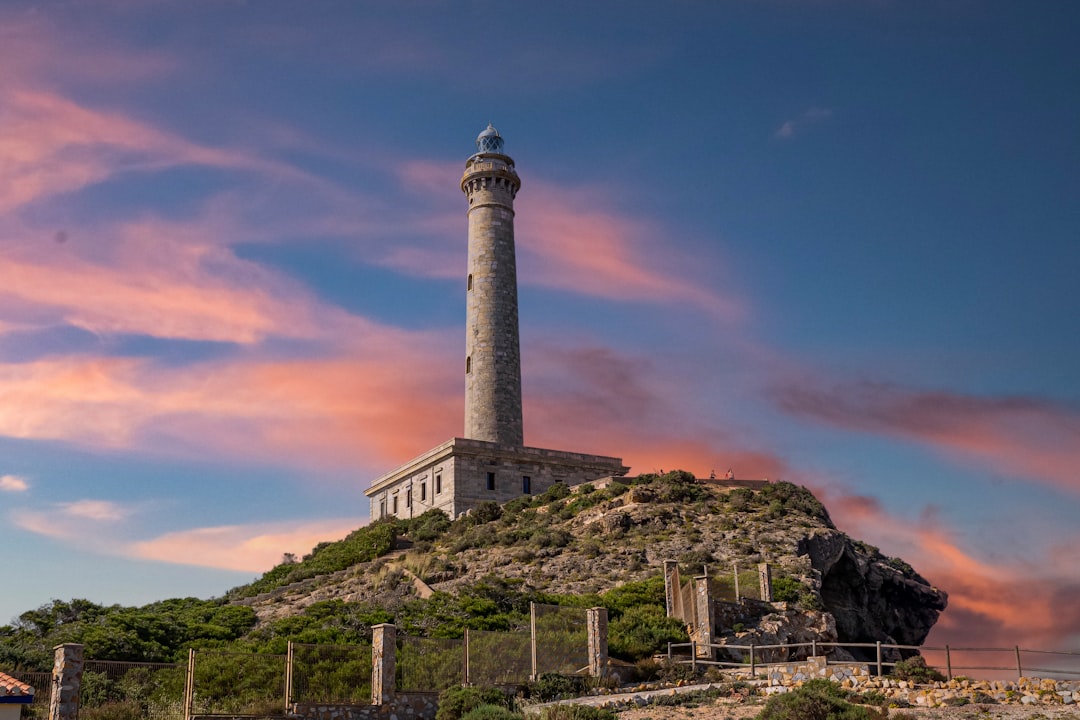
The current structure of the Cabo Espichel Lighthouse dates back to 1790, when it was built to meet the growing needs of navigation along the Portuguese coast. The tower, white with a characteristic red band, rises about 34 meters above ground level, but it is its position on the edge of the cliffs — over 150 meters above sea level — that makes it visible from a great distance. The lighthouse's light, still operational today, has a nominal range that exceeds 25 nautical miles.
The lighthouse is managed by the Portuguese National Maritime Authority and is not always open to the public for internal visits, but the exterior and surroundings are freely accessible. Walking along the perimeter of the fence allows for a close-up view of the original lantern and the architectural details of the tower, which still maintains its active function of maritime signaling today.
The Baroque Sanctuary and the Forgotten Square
What surprises unprepared visitors is the presence, just a few steps from the lighthouse, of an imposing religious complex: the Santuário de Nossa Senhora do Cabo Espichel. Built starting from the 17th century and expanded during the 18th century, the sanctuary is dedicated to a Madonna venerated by fishermen and sailors of the region. The baroque church is flanked by two long symmetrical porticoes — the so-called albergarias — which form a rectangular square open to the ocean, capable of hosting pilgrims who once arrived here from all over the Iberian Peninsula.
Today many of the accommodations for pilgrims are abandoned or in a state of semi-abandonment, which gives the place a timeless, almost spectral atmosphere. The peeling facades, empty windows, and constant wind create a disorienting contrast with the beauty of the surrounding landscape. The sanctuary is still active and hosts some religious celebrations throughout the year, particularly related to local Marian devotion.
The dinosaur footprints in the rock
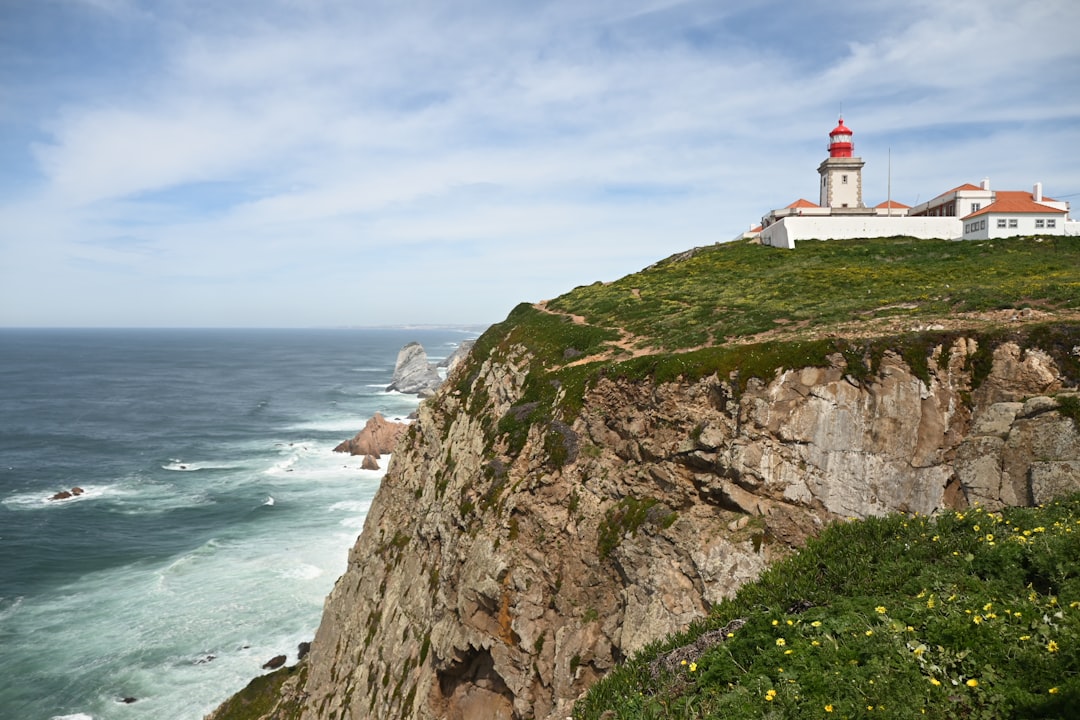
Few know that Cabo Espichel holds one of the most significant paleontological testimonies in Portugal. In the limestone cliffs surrounding the promontory, dinosaur fossil footprints dating back to the Late Jurassic, between 145 and 150 million years ago, have been identified. These are traces of sauropods — the large long-necked reptiles — that walked on what was then a marshy seabed.
The footprints are visible directly on the limestone slabs that emerge along the coastal path, some of which are in an almost vertical position due to tectonic movements that have tilted the rock layers over the millennia. No specialized guide is needed to locate them: just follow the path that runs along the cliffs to the north and pay attention to the marked rocky surfaces. It is a geological spectacle accessible to everyone, completely free of charge.
Practical tips for the visit
The best time to visit Cabo Espichel is early in the morning, preferably on weekdays, when the site is almost deserted. During summer weekends, the parking lot can fill up quickly, especially between July and August. The wind is practically constant and often very strong: even in the height of summer, it is advisable to bring an extra layer. The cliffs have no protections in many places, so utmost caution is necessary, especially with children.
Plan for at least two hours to calmly explore the lighthouse, the sanctuary, and the fossil footprint trail. There are no bars or restaurants on site, so it is essential to bring water and something to eat. The site is freely accessible and free of charge. From Lisbon, the most direct route goes through Sesimbra and then climbs towards the promontory: about 50 minutes of driving under normal conditions.


