
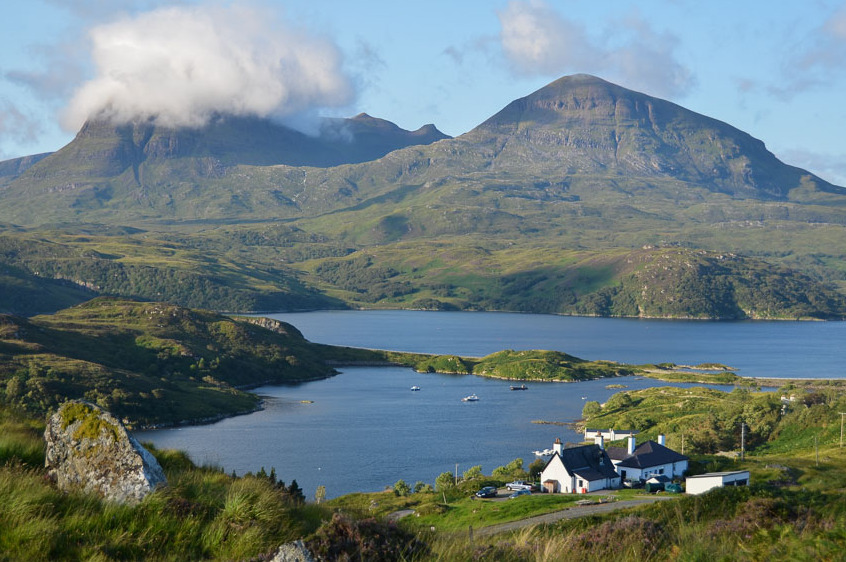

Nestled in the rugged, windswept landscapes of the Scottish Highlands, Cape Wrath stands as a beacon of natural beauty and historical significance. This remote headland, the most northwestern point of mainland Scotland, offers visitors a glimpse into the rich tapestry of Scotland’s ancient past and vibrant culture.
The history of Cape Wrath is as dramatic as the cliffs that rise steeply from the Atlantic Ocean. The area has been inhabited since prehistoric times, with archaeological finds suggesting human activity as far back as the Mesolithic era. The name “Cape Wrath” is believed to derive from the Old Norse word "wrath," meaning "turning point," a fitting description for a place where the landscape dramatically shifts. The Cape Wrath Lighthouse, built in 1828 by renowned engineer Robert Stevenson, is a key historical landmark. It was constructed to guide ships safely through the treacherous waters of the Minches and has since become a symbol of maritime safety in the region.
Architecturally, the Cape Wrath Lighthouse is a striking example of Georgian design, characterized by its simple yet elegant stone structure. Standing at 66 feet, the lighthouse is painted white with a distinctive red lantern room at the top. The surrounding buildings, including the lighthouse keeper’s cottage, are equally charming, embodying the rugged beauty of the Scottish coastline. Visitors often pause to admire the dramatic contrast between the stark white of the lighthouse and the deep blue of the ocean, creating a picturesque scene perfect for photography.
Local culture at Cape Wrath is deeply intertwined with the natural environment. The area is home to a small community of residents who maintain a traditional way of life, reliant on fishing and agriculture. Scottish Gaelic is still spoken by some, echoing the region’s ancient roots. Festivals such as the Cape Wrath Challenge, held annually, celebrate the area’s stunning landscapes and attract adventurers from all over. This event includes various outdoor activities that highlight the rich biodiversity of the region, from hiking to kayaking.
When it comes to gastronomy, Cape Wrath offers a taste of the local flavor, with seafood being the star of the show. Freshly caught fish, particularly haddock and mackerel, are staples in local cuisine. The café at the lighthouse serves delightful dishes, including hearty soups and freshly baked goods, providing a much-needed pick-me-up after a long hike. Visitors often rave about the warm, welcoming atmosphere that reflects the spirit of the locals. Don’t miss the chance to enjoy a traditional Scottish shortbread alongside your coffee, a sweet treat that perfectly complements the stunning views.
For those seeking unique experiences, Cape Wrath has its share of lesser-known curiosities. The Cape Wrath area is a designated military firing range, meaning access can be restricted during training exercises. However, the surrounding landscapes are teeming with wildlife, including red deer and seabirds. A little-known fact is that Cape Wrath also serves as a vital breeding ground for various bird species, making it a hidden gem for bird watchers. The dramatic cliffs and sea stacks, such as the Sgeir a’ Bhròn, offer spectacular vantage points for observing these magnificent creatures in their natural habitat.
The best time to visit Cape Wrath is during the summer months, from May to September, when the weather is relatively mild, and days are long. Be sure to check the ferry schedule, as access to the lighthouse is often by boat or a designated bus service from the nearest village, Durness. It’s wise to dress in layers and be prepared for changing weather conditions, as the coastal winds can be unpredictable. Take time to explore the surrounding area, including the rugged cliffs and pristine beaches, where the beauty of Scotland really shines.
In conclusion, Cape Wrath is not just a destination; it’s an adventure steeped in history and culture, a place where nature’s raw beauty meets the echoes of ancient traditions. As you plan your journey to this remote corner of Scotland, consider using the Secret World app to craft a personalized itinerary that highlights the best of what this stunning region has to offer.


