


In the vibrant heart of Santa Marta, the Casa de la Aduana stands majestically, telling centuries of history and culture. This colonial building, located in the lively Plaza de Bolívar, is not just an architectural monument but also an important cultural center. Today, it houses the Gold Museum, one of Colombia's main attractions, where visitors can immerse themselves in the rich goldsmith tradition of the ancient civilizations of the Sierra Nevada.
Built in 1730, the Casa de la Aduana has served various purposes throughout its existence, functioning as a customs house, palace, and hotel. Its strategic location allowed it to control maritime traffic, making it a crucial point for trade and culture in the region. This place has witnessed many stories, including the celebration of the life of Simón Bolívar, whose body was displayed here in 1830.
History and Origins
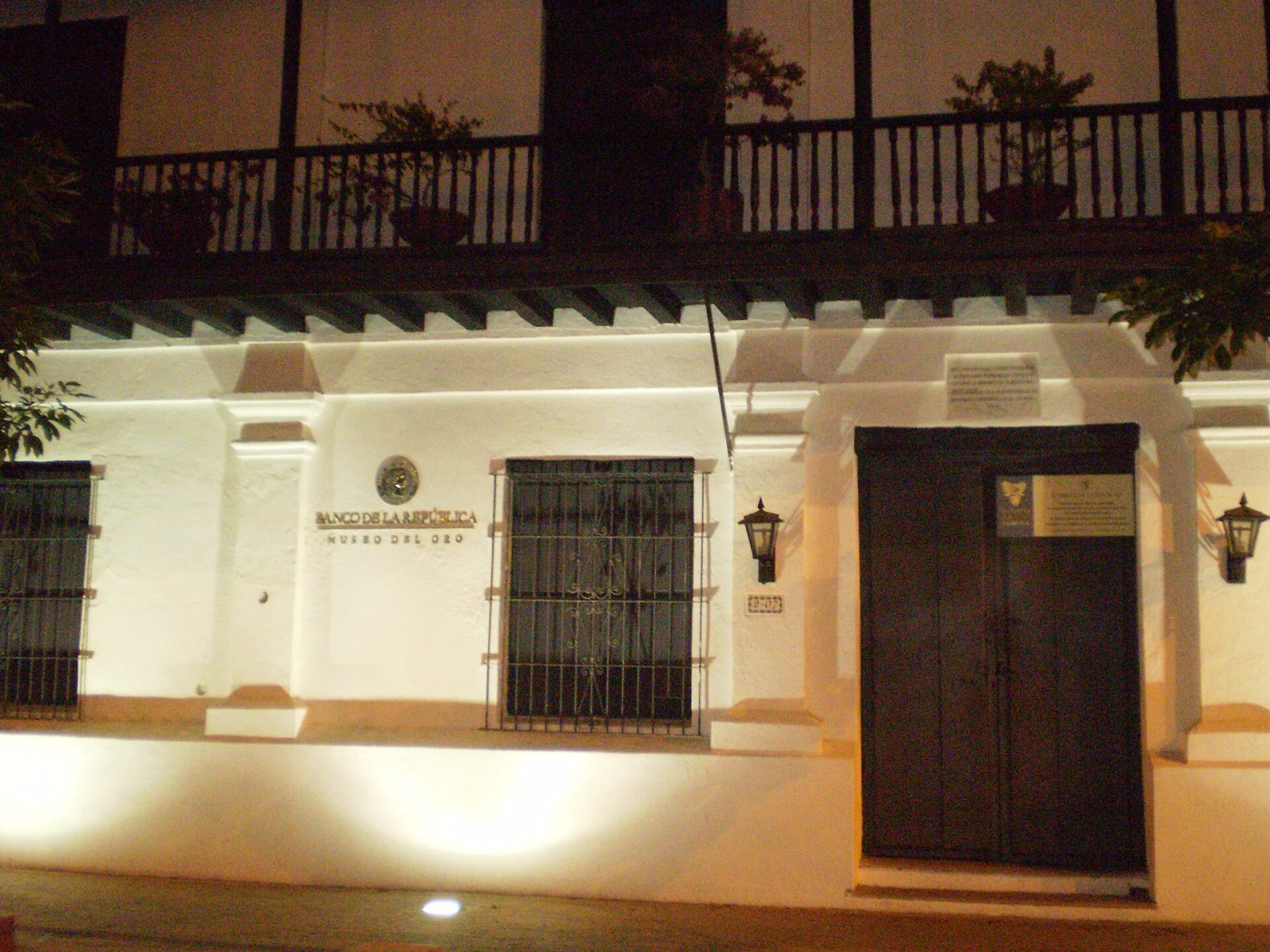
The Casa de la Aduana, recognized as a National Monument since 1970, is a significant example of Colombian colonial architecture. Its construction dates back to the 18th century, a period of great activity for the city of Santa Marta, which at the time was an important commercial port. The structure, with its two floors and a lookout tower, was designed to monitor incoming ships and the loading and unloading of goods. Over the years, it has changed names and functions, transitioning from a palace to a police station and finally to a museum.
Every corner of the Casa de la Aduana tells a story, from its origins as a customs house to its subsequent functions. The museum it now hosts is dedicated to the gold culture of the Tayrona, a people who inhabited the region before the arrival of the Spaniards. The exhibited artifacts offer a fascinating glimpse into the life and traditions of these ancient communities, highlighting the importance of gold not only as a material good but as a symbol of status and spirituality.
Elements to Observe
When visiting the Casa de la Aduana, tourists can admire not only the artworks and artifacts on display but also the architectural beauty of the building itself. The colonial-style facade, with its wooden balconies and ornate windows, is an irresistible visual attraction. Inside, the museum offers a collection of gold objects, including jewelry and ritual ornaments, that tell stories of a rich and fascinating past.
Another point of interest is the panoramic view from the tower, which provides a unique perspective of the Plaza de Bolívar and the port of Santa Marta. This observation point not only allows for watching the city's movement but also for reflecting on its history and the crucial role it has played in Colombian trade and culture.
Why It Is Interesting Today
Today, the Casa de la Aduana is not just a museum but a meeting place for the community and a center for cultural activities. Events, exhibitions, and conferences are held regularly, making this space lively and dynamic. Its importance goes beyond mere historical value; it represents a landmark for Colombian culture and identity, attracting visitors from all over the world.
In an era where history and culture are more important than ever, the Casa de la Aduana stands as a symbol of resilience and the beauty of Colombian tradition. Visiting it means not only exploring the past but also understanding the present and future of a nation rich in diversity and history.
For those wishing to discover more about this wonder and other hidden gems, the Secret World app offers valuable information and useful tips for an unforgettable trip.


