



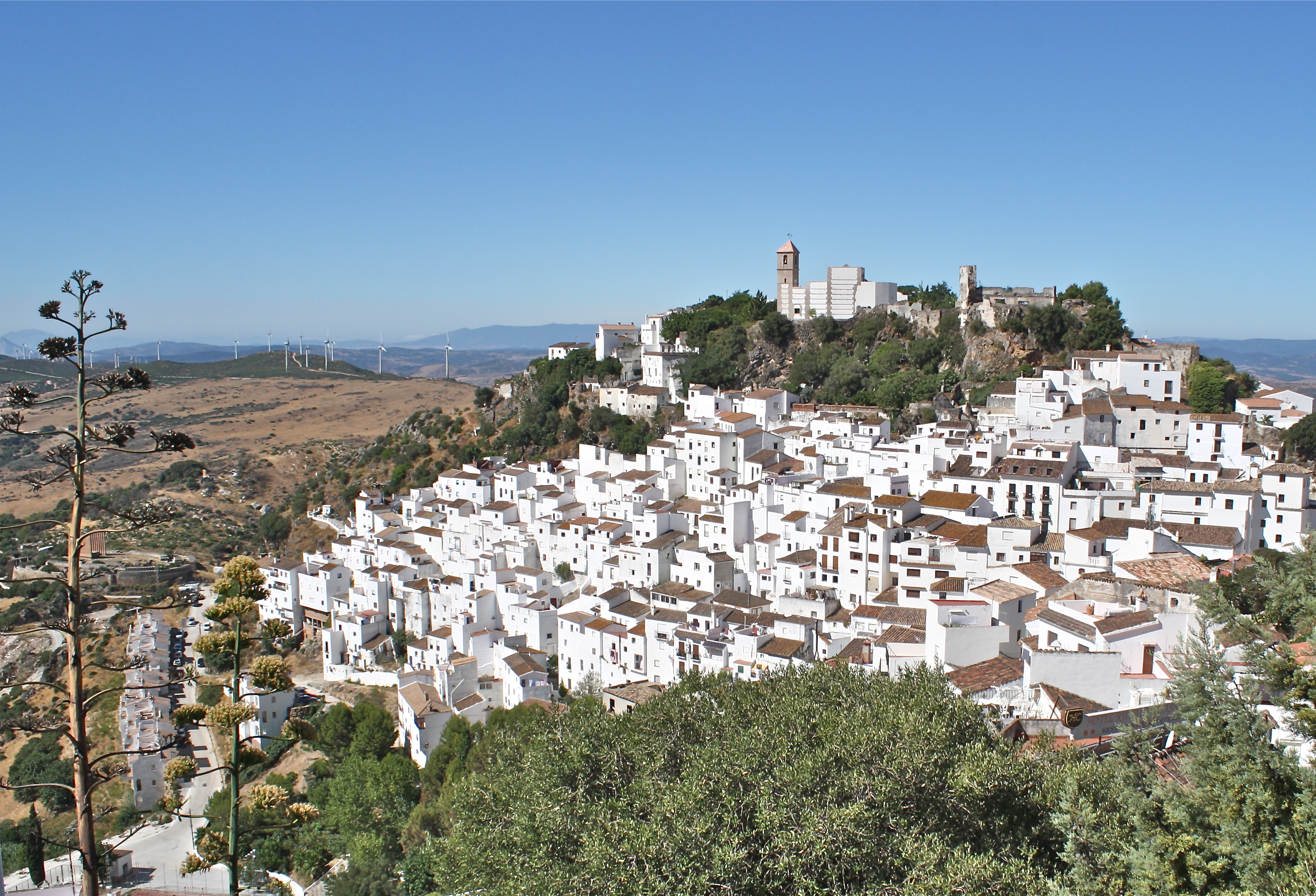
Nestled amidst the rolling hills of Andalusia, the white village of Casares emerges like a mirage. Its picture-perfect charm is undeniable, with whitewashed houses cascading down rocky cliffs, resembling sugar cubes tumbling in an artist’s vision. Yet, Casares is more than just a postcard-perfect scene; it is a place steeped in history, rich in culture, and vibrant with local traditions.
The origins of Casares are as captivating as its vistas. Founded during the Roman era, it rose to prominence under the reign of Julius Caesar. Legend has it that Caesar himself ordered the construction of the town after bathing in its sulfurous springs and being cured of a liver ailment. This historical anecdote is enshrined in the very name of the village. The town flourished during the Moorish occupation, evidenced by the remnants of an Arab castle that still crowns the village, offering panoramic views of the surrounding countryside and the distant Mediterranean Sea.
The architectural tapestry of Casares is a testament to its storied past. Meandering through narrow cobblestone streets, visitors find themselves surrounded by traditional Andalusian architecture. The whitewashed facades not only reflect the sun, keeping the interiors cool, but also embody the region’s Moorish influence. The Church of La Encarnación, with its Mudejar-style bell tower, stands as a beacon of the town’s architectural blend, melding Christian and Islamic artistry.
Cultural vibrancy is at the heart of Casares. The village pulsates with the rhythm of fiestas and traditions that have been passed down through generations. One of the most anticipated events is the Feria de Casares, held in the first week of August. This festival is a sensory feast, with locals donning traditional attire, flamenco performances lighting up the streets, and the rich aroma of Andalusian cuisine wafting through the air.
Speaking of cuisine, Casares offers a gastronomic journey that mirrors its cultural tapestry. Local dishes such as gazpacho casareño, a refreshing cold soup, and chivo a la pastoril, a flavorful goat stew, capture the essence of Andalusian flavors. Pair these with a glass of local vino de la tierra, and it becomes clear that Casares is a culinary delight not to be missed.
Beyond the known allure, Casares harbors hidden gems. The Ethnographic Museum is a treasure trove of artifacts, offering insights into the daily lives of past inhabitants. Meanwhile, the Hedionda Baths, a short drive from the village, invite visitors to experience the very springs that purportedly healed Caesar.
For those planning a visit, the best time to explore Casares is during the spring or fall, when the weather is pleasantly mild, perfect for wandering its picturesque streets. If driving, consider parking at the village entrance and enjoying a leisurely walk to fully absorb the ambiance.
In Casares, every corner tells a story, every view captivates, and every meal delights. Uncover the secrets of this enchanting village by planning your journey with the Secret World app for a personalized adventure.
