


The Catedral Primada, an awe-inspiring structure that dominates the eastern end of Plaza de Bolívar in Bogotá, is a testament to Colombia's rich history and architectural grandeur. This iconic edifice, completed in 1823, is the largest cathedral in Colombia and ranks among the most significant in South America. Its neoclassical design is reminiscent of the grand cathedrals of Spain, symbolizing the deep-rooted connection between Colombian culture and its colonial past.
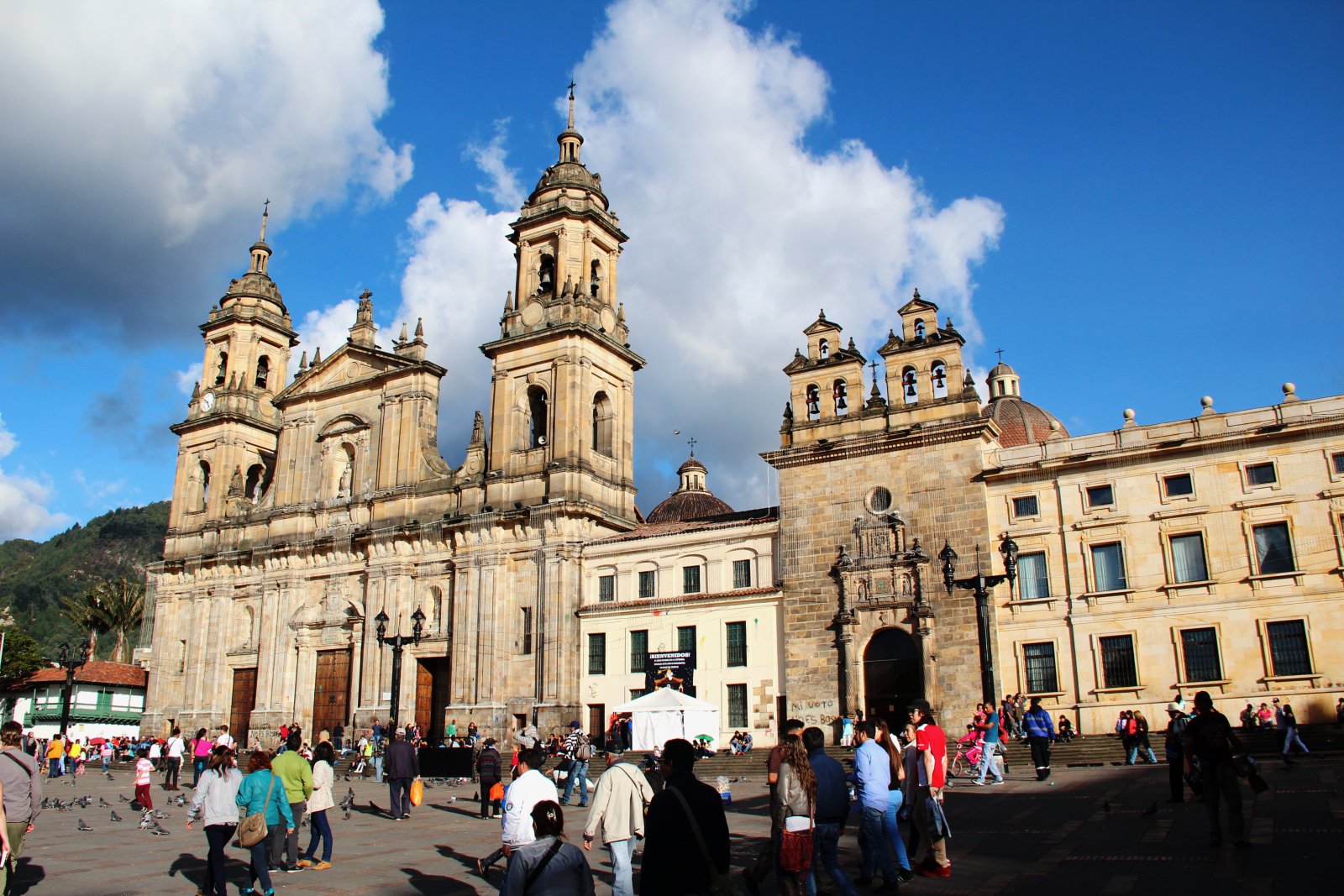
The site on which Catedral Primada stands is steeped in history. It is believed that the first mass in Bogotá took place here in 1538, shortly after the city’s founding by Gonzalo Jiménez de Quesada. The original church was a modest structure, reflective of the fledgling settlement of a few simple houses. Over the years, as Bogotá grew into a bustling city, the need for a more substantial place of worship became evident, leading to the construction of the cathedral we admire today. The cathedral's history is intertwined with significant events in Colombia, including the struggles for independence and various political upheavals that have shaped the nation.
Architecturally, Catedral Primada is a magnificent showcase of neoclassical design, characterized by its grand façade, towering columns, and symmetrical lines. The cathedral features a strikingly simple yet powerful interior, which Paul Theroux described as “elegant…with a touch of voodoo.” The solemn atmosphere is enhanced by muted colors and the absence of excessive ornamentation, creating a space that feels both sacred and introspective. Inside, visitors can marvel at one of the largest organs in Latin America, alongside stunning paintings from the 17th and 18th centuries. The tomb of Jiménez de Quesada, the founder of Bogotá, lies within its walls, serving as a reminder of the city's historical roots.

The local culture surrounding Catedral Primada is vibrant and deeply ingrained in the community. The cathedral is not only a place of worship but also a focal point for significant local customs and traditions. Semana Santa (Holy Week) attracts thousands of devotees each year, with elaborate processions and ceremonies that fill the square with color and devotion. Additionally, celebrations such as the Feast of the Immaculate Conception draw locals and tourists alike, emphasizing the cultural importance of the cathedral in Bogotá’s civic life.
Food and drink are integral to the experience of any traveler in Bogotá, and the area around Plaza de Bolívar offers a delightful selection of local cuisine. Traditional dishes such as ajiaco, a hearty chicken and potato soup, and bandeja paisa, a generous platter featuring beans, rice, avocado, and plantains, can be found in nearby eateries. For a sweet treat, be sure to try bocadillo, a guava paste often enjoyed with cheese, or sip on a cup of rich Colombian coffee, renowned globally for its quality.
For those seeking to delve deeper into the wonders of Catedral Primada, there are lesser-known curiosities that add to its mystique. One intriguing fact is that the cathedral's towers were once used to signal the time to the citizens of Bogotá before the advent of modern clocks. Additionally, the cathedral's construction utilized bricks from the original church, blending history into its very structure. Many visitors miss the small, intricate details in the stonework and the hidden chapels that tell stories of devotion and history.
When planning a visit to Catedral Primada, the best time to go is early in the morning or late afternoon when the sunlight casts beautiful shadows across the square. Weekdays are generally less crowded than weekends, allowing for a more peaceful exploration of the cathedral and the surrounding area. Don't forget to take a moment to sit on one of the benches in Plaza de Bolívar, soaking in the atmosphere of this historic site and the vibrant life that surrounds it.
As you wander through the majestic halls of Catedral Primada, allow yourself to connect with the centuries of history and culture that have shaped Bogotá. This remarkable cathedral stands not only as a religious monument but also as a symbol of resilience and identity for the city and its people.
To enrich your visit, consider using the Secret World app to create a personalized AI itinerary tailored to your Bogotá experience.


