
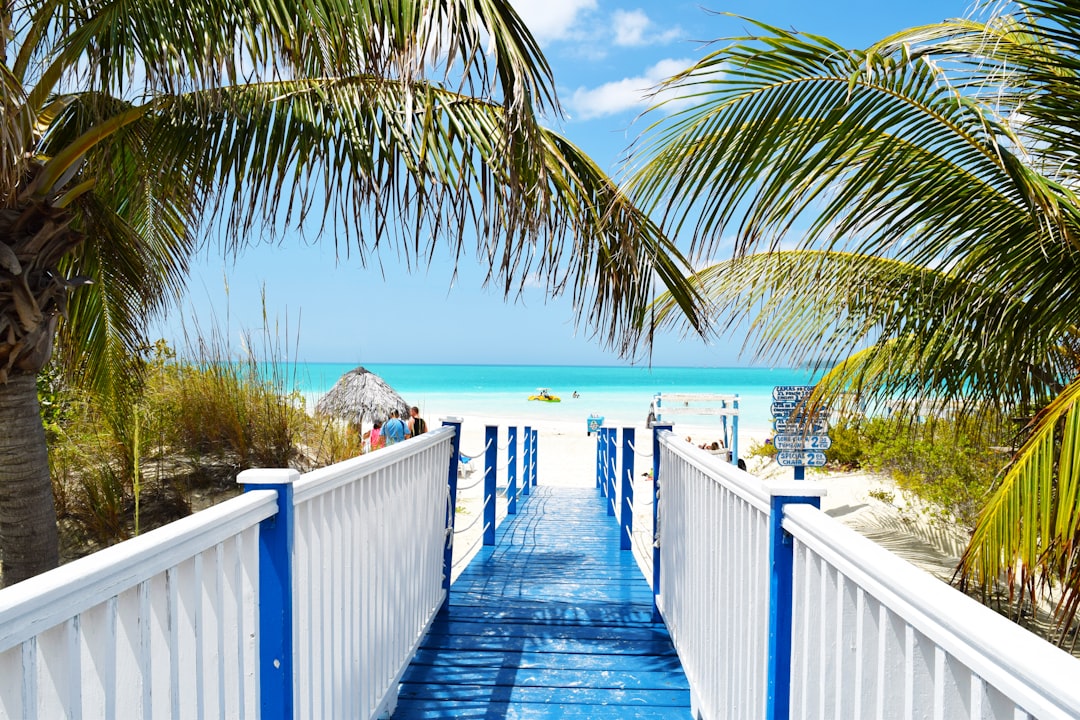

Every morning, when the slanting light of the Caribbean colors the shallow waters of the internal lagoons pink, hundreds of flamingos move in silent formations along the shallows of Cayo Coco. This is not a rare or fortunate scene: it is the daily norm of this coral island that is part of the Jardines del Rey archipelago, off the northern coast of the province of Ciego de Ávila. The flamingos nest here in permanent colonies, taking advantage of the brackish waters rich in crustaceans that give their plumage that unmistakable bright hue.
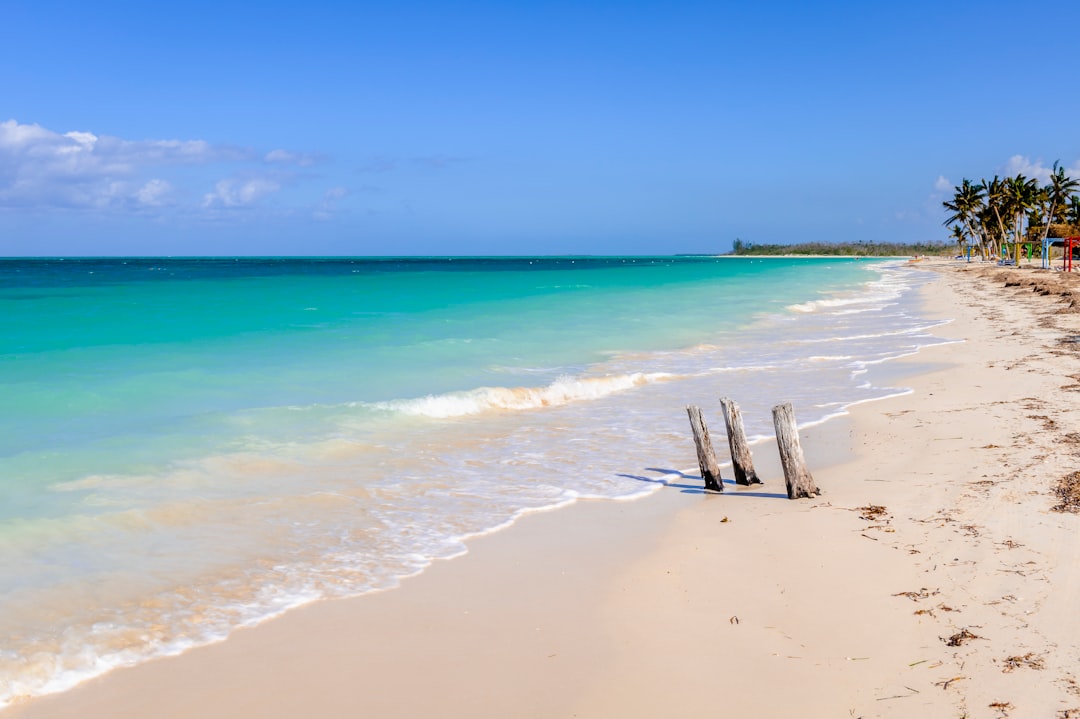
Cayo Coco is the fourth largest island in Cuba, with an area of about 370 square kilometers, and extends over 22 kilometers of white sandy beaches on the northern side. The sea that bathes it is the classic one of the northern Cuban Caribbean: turquoise waters that gradually fade into deep blue, with coral reef bottoms starting just a few meters from the shore. Connected to the mainland by a long pedraplén — a road embankment built in the 1980s that crosses the Bay of Buena Vista — the island is accessible by car or tourist bus, without the need to board any ferry.
An isolated ecosystem between mangroves and corals
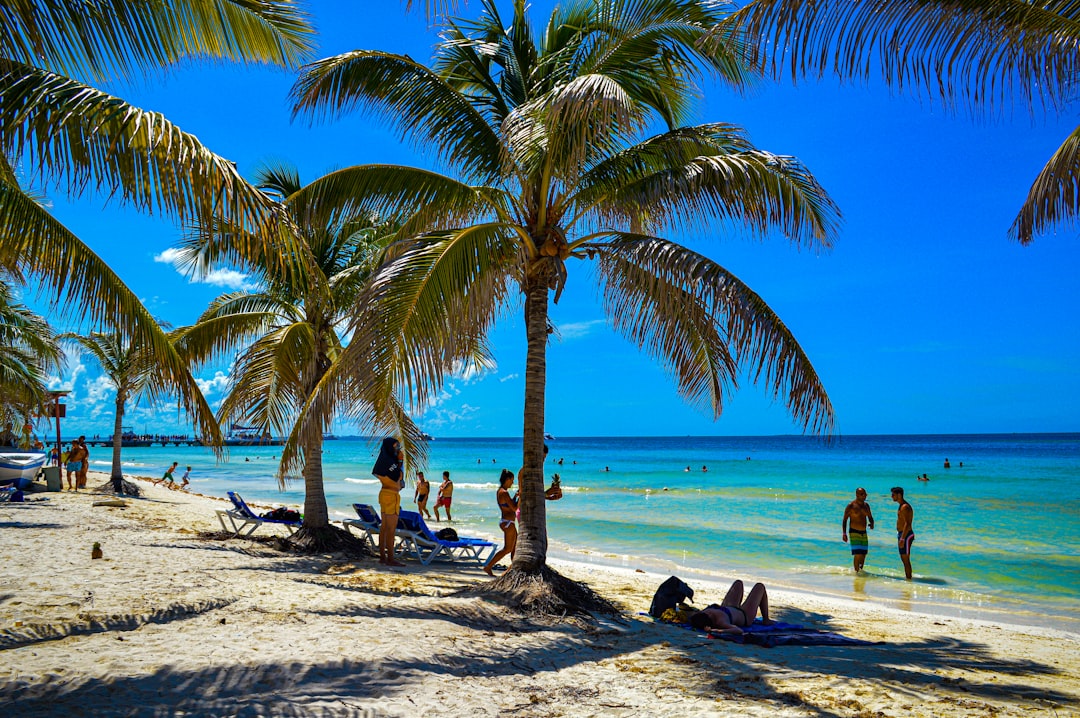
The most immediate characteristic that a visitor notices upon arriving on the island is the contrast between the two sides of the coast. To the north, the large ocean beaches open up, battered by a constant wind, with clear waters and sandy bottoms that make the area ideal for snorkeling and windsurfing. To the south, however, the landscape changes radically: one enters a labyrinth of mangroves, dark water channels, and wetlands where ibises, herons, and, indeed, flamingos live. This ecological duality is what makes Cayo Coco different from many other Caribbean beach destinations.
The coral reef that surrounds the Jardines del Rey archipelago is among the best preserved in Cuba, partly because access to the island is controlled: visitors must pass through a checkpoint at the beginning of the pedraplén, and entry is reserved for tourists with hotel reservations or residents with permits. This measure, introduced to limit traffic and protect the ecosystem, has helped keep the waters relatively unpolluted. Underwater, one encounters coral formations, barracudas, sea turtles, and occasionally dolphins.
The beaches: Playa Las Coloradas and surroundings
The most photographed beach on the island is Playa Las Coloradas, located in the central part of the northern coast, where the sand is almost blindingly white and the waters remain shallow and calm for dozens of meters. The name refers to the color shades that the seabed and vegetation give to the water at certain times of the day. Nearby, there are several all-inclusive resorts that overlook the beach, built according to Cuban regulations that prohibit buildings taller than the tree line.
A striking detail for those walking along the shore is the almost total absence of marine debris and the presence of very few private boats. The waters are clean not by chance, but because private navigation is heavily restricted and the tourist density, although it has grown in recent decades, remains low compared to other Caribbean destinations. The resorts on the island are mainly managed in partnership with international chains like Meliá, which has been operating on the island for several years.
How to get there and when to go
The main access is via the Jardines del Rey International Airport (IATA code: CCC), which receives direct charter flights from various European and Canadian cities, as well as domestic flights from Havana. Alternatively, the island can be reached by land from the city of Ciego de Ávila, located about 110 kilometers away, traveling along the Central Highway to Morón and then the pedraplén. The journey by car or shared taxi takes about two hours.
The best time to visit Cayo Coco is between November and April, when temperatures remain around 25-28 degrees, the sea is calm, and rainfall is rare. From June to October, the island enters hurricane season: the facilities remain open, but prices drop and the risk of disturbances is real. Those who want to spot flamingos in the best conditions should go in the early morning hours, before the heat drives the birds to the shadier areas of the internal lagoons. It is advisable to bring suitable shoes for walking on the trails of the nature reserve, as well as high-grade sunscreen: the reflection of the sun on the white sand is intense even during the cooler hours.
Life on the island: real isolation
Cayo Coco has no urban center, local markets, or neighborhood life in the traditional sense. The island is built almost exclusively around the resorts, with a few independent dining establishments along the main road. This isolation is part of the experience: there are no noisy scooters, street vendors, or chaotic traffic. The silence, interrupted only by the wind and the singing of birds, is one of the most authentic resources that the island offers to those who arrive seeking something different from the urban and vibrant Cuba of Havana or Trinidad.


