
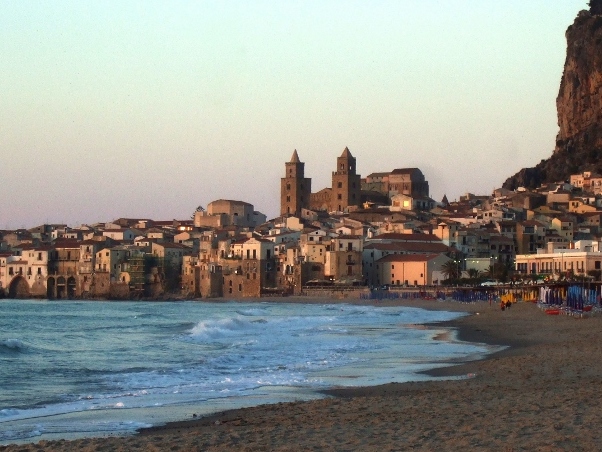

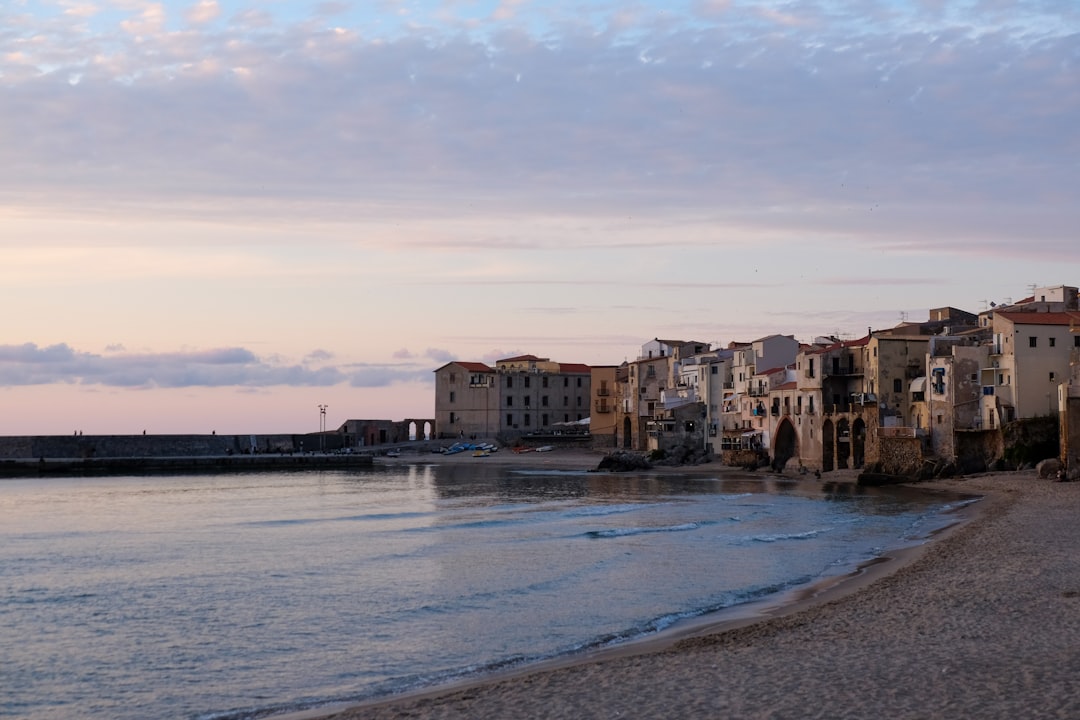
Nestled on the northern coast of Sicily, Cefalù is a breathtaking blend of history, culture, and natural beauty that captivates visitors, especially as the sun dips below the horizon. At sunset, the golden light dances on the waters of the Tyrrhenian Sea, casting a warm glow over the ancient city. This enchanting scene is more than just a visual delight; it is a portal into the rich tapestry of Cefalù's past and present.
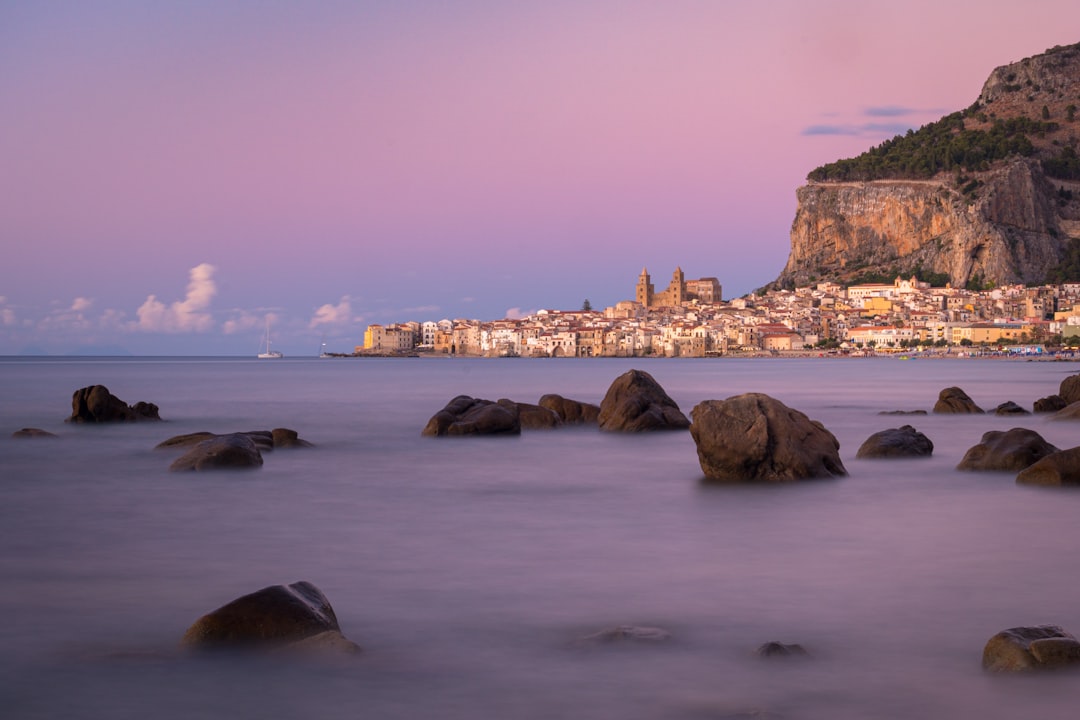
The origins of Cefalù date back to at least the 4th century BCE, when it was known as Kephaloidion in Greek, referring to its distinctive headland. By the 1st century BCE, it became a Roman settlement. However, its most significant historical transformation came with the Norman conquest in the 11th century. Roger II of Sicily, seeking to cement his power and influence, commissioned the magnificent Cefalù Cathedral in 1131. This architectural jewel, now a UNESCO World Heritage site, is a superb example of Norman architecture. Its imposing twin towers and the stunning Byzantine mosaics within, particularly the Christ Pantocrator in the apse, testify to the artistic and cultural exchanges of the Middle Ages.
Beyond its architectural grandeur, Cefalù is a canvas of vibrant local culture. The town comes alive during its many festivals, with the Feast of the Transfiguration in August being particularly noteworthy. During this time, the streets are filled with processions, music, and traditional Sicilian delicacies. The locals, known for their warmth and hospitality, invite visitors to partake in these celebrations, offering a glimpse into their enduring traditions and communal spirit.
Culinary enthusiasts will find much to savor in Cefalù. The town's gastronomy is a delightful reflection of its coastal setting and agricultural bounty. Fresh seafood is a staple, with dishes like pesce spada alla ghiotta (swordfish in a rich tomato and caper sauce) offering a taste of the sea. The influence of Arab settlers is evident in the use of ingredients like citrus, almonds, and spices, seen in desserts such as cassata and cannoli. Pair these with a glass of locally produced Marsala wine or a refreshing limoncello, and you have a meal that embodies the essence of Sicilian cuisine.
While Cefalù's main attractions draw visitors, there are hidden gems that often go unnoticed. A stroll through the old town reveals charming cobbled streets and quaint shops. The Lavatoio Medievale, a medieval washhouse, offers a fascinating glimpse into everyday life of centuries past. Fed by the River Cefalino, its cool, shaded interior is a tranquil retreat on a hot day. Another lesser-known spot is the Rocca di Cefalù, a steep rocky hill that offers panoramic views of the town and coastline. The climb is steep, but the sight of the ancient Temple of Diana at the summit is a rewarding discovery for those who venture up.
When planning a visit, timing can enhance the experience. The best months to visit are May, June, September, and October when the weather is pleasant, and the summer crowds have thinned. Sunset is particularly magical, with the sky painted in hues of orange and pink, providing a perfect backdrop for a leisurely stroll along the Lungomare, Cefalù's picturesque promenade.
For an immersive experience, consider these practical tips: Wear comfortable shoes, as the town’s cobblestone streets can be uneven. Reserve accommodation in advance if visiting during peak season. Finally, take the time to engage with the locals; their stories and insights add depth to any visit.
In Cefalù, history is not just seen but felt, as ancient stones whisper tales of bygone eras, and the vibrant culture invites you to become a part of its ongoing story. Whether you’re exploring its historical sites, savoring its culinary delights, or simply basking in the glow of a Sicilian sunset, Cefalù promises memories that linger long after the journey ends.


