

Celia Sánchez Manduley is a name that resonates strongly in the history of contemporary Cuba. Born on May 9, 1920, in Media Luna, Oriente province, she dedicated her life to the fight against the dictatorship of Fulgencio Batista, becoming a key figure in the Cuban Revolution. Her story is filled with passion, determination, and a strong sense of social justice, which led her to work closely with Fidel Castro and other revolutionary leaders.
Her childhood, marked by the loss of her mother and a life of relative comfort, prepared her for a future of political engagement. Growing up in a family with a physician father, Celia developed a network of contacts that allowed her to act discreetly in the July 26 Movement, even while managing her father's affairs. Her political vision intensified after the military coup of 1952, which pushed many Cubans to join the fight for freedom.
History and Origins
The life of Celia Sánchez is an example of how a passion for justice can transform into concrete action. After witnessing the deterioration of the political situation in Cuba, she decided to join the revolutionary movement. Her intelligence and determination allowed her to earn a prominent place in the group, becoming a fundamental member of the strategy and organization of the revolution. Her role was not limited to military activity; she was also a skilled archivist and researcher, contributing to documenting the crucial events of the struggle for freedom.
The Cuban Revolution, which led to Batista's downfall in 1959, would not have been the same without Celia's contribution. Her ability to mobilize women and involve them in the revolutionary process had a lasting impact on Cuban society, marking a significant step towards gender equality in the political and social context of the island. Her legacy is still visible today, with many Cuban women continuing to draw inspiration from her example of courage and resilience.
Elements to Observe
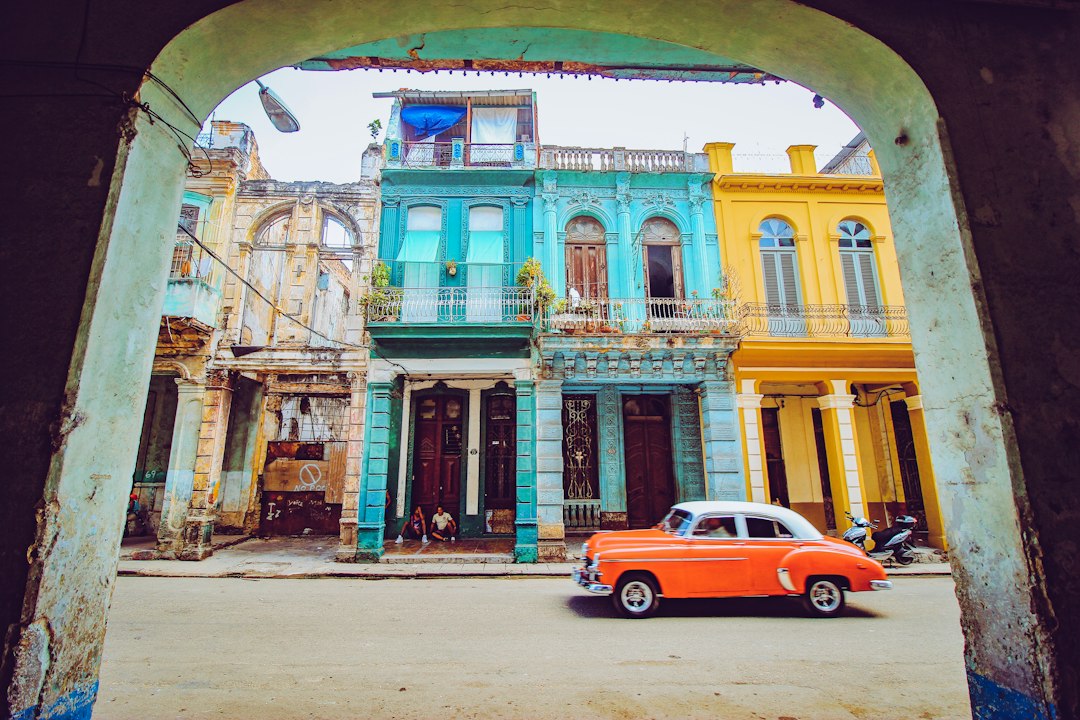
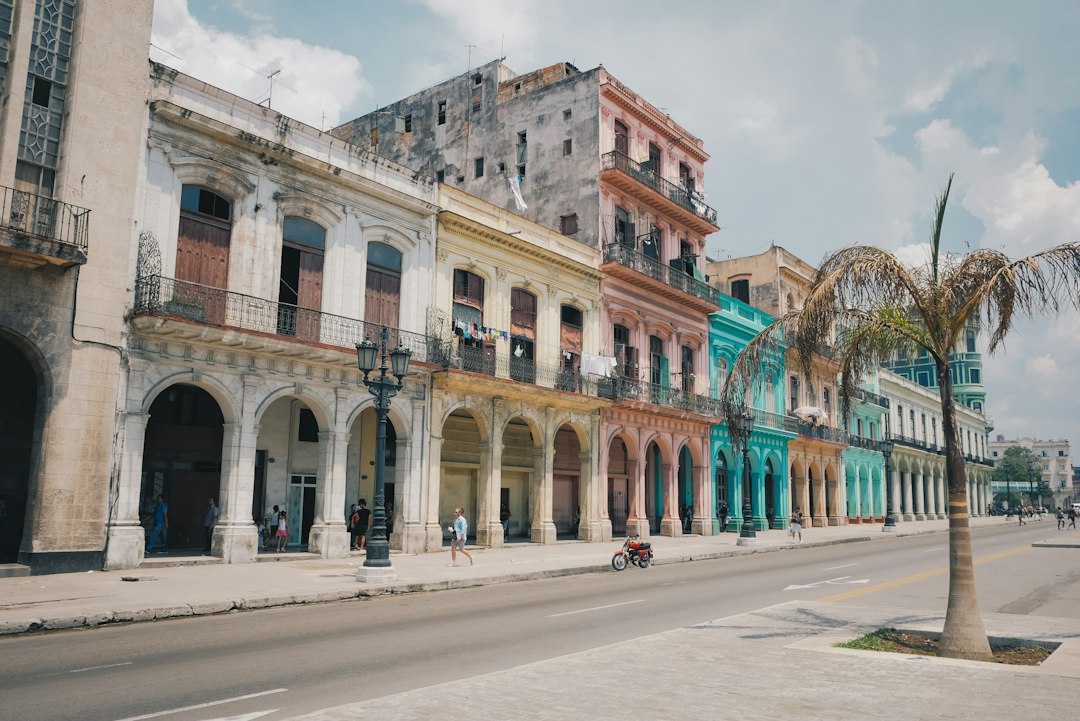
When visiting Cuba, it is possible to explore the places that marked the life of Celia Sánchez. The streets of La Habana, where many historical events related to the revolution took place, offer a vivid idea of the context in which Celia operated. The various museums in the city, particularly the Museum of the Revolution, feature exhibits that tell the story of the movement, including the life and achievements of Celia. It is an opportunity to better understand the role of women in Cuban history and to reflect on the importance of active participation in the struggle for rights.
Moreover, the natural landscape of Cuba, with its pristine beaches and lush mountains, offers a fascinating contrast to the tumultuous history of the country. Places like the Sierra Maestra National Park, where many battles took place during the revolution, are now a draw for nature and history lovers, allowing one to fully immerse in the legacy of struggle and freedom that Celia and her comrades pursued.
Why It Is Interesting Today
Today, the name of Celia Sánchez continues to be a symbol of resistance and female empowerment. Her life and actions are a powerful call for new generations, who can learn from her dedication and civic engagement. In a world where issues of social justice and human rights are more relevant than ever, Celia's story offers a source of inspiration for those fighting for positive change.
Furthermore, Cuba is undergoing a period of transition and openness, and the legacy of Celia's revolution is an integral part of this process. Current discussions on democracy, rights, and freedoms are influenced by the history of figures like Celia, making her legacy even more pertinent. Her life represents not only the past but also a possible future for Cuba and its people.
Practical Information for Visitors
For those wishing to delve into the life and legacy of Celia Sánchez, it is advisable to start your journey in La Habana, where you can visit the symbolic places related to the revolution. The city offers numerous tourist resources, including expert guides who can provide detailed historical context and personal stories that make the visit even more engaging. Don't forget to savor Cuban cuisine, which reflects the rich culture of the island, and to interact with locals, who often share personal stories related to these historical events.
Finally, for an even more immersive experience, the Secret World app is an excellent resource for discovering itineraries and deepening your understanding of Cuba's history through the lives of figures like Celia Sánchez, allowing for travel with awareness and respect for the cultural and historical roots of the island.


