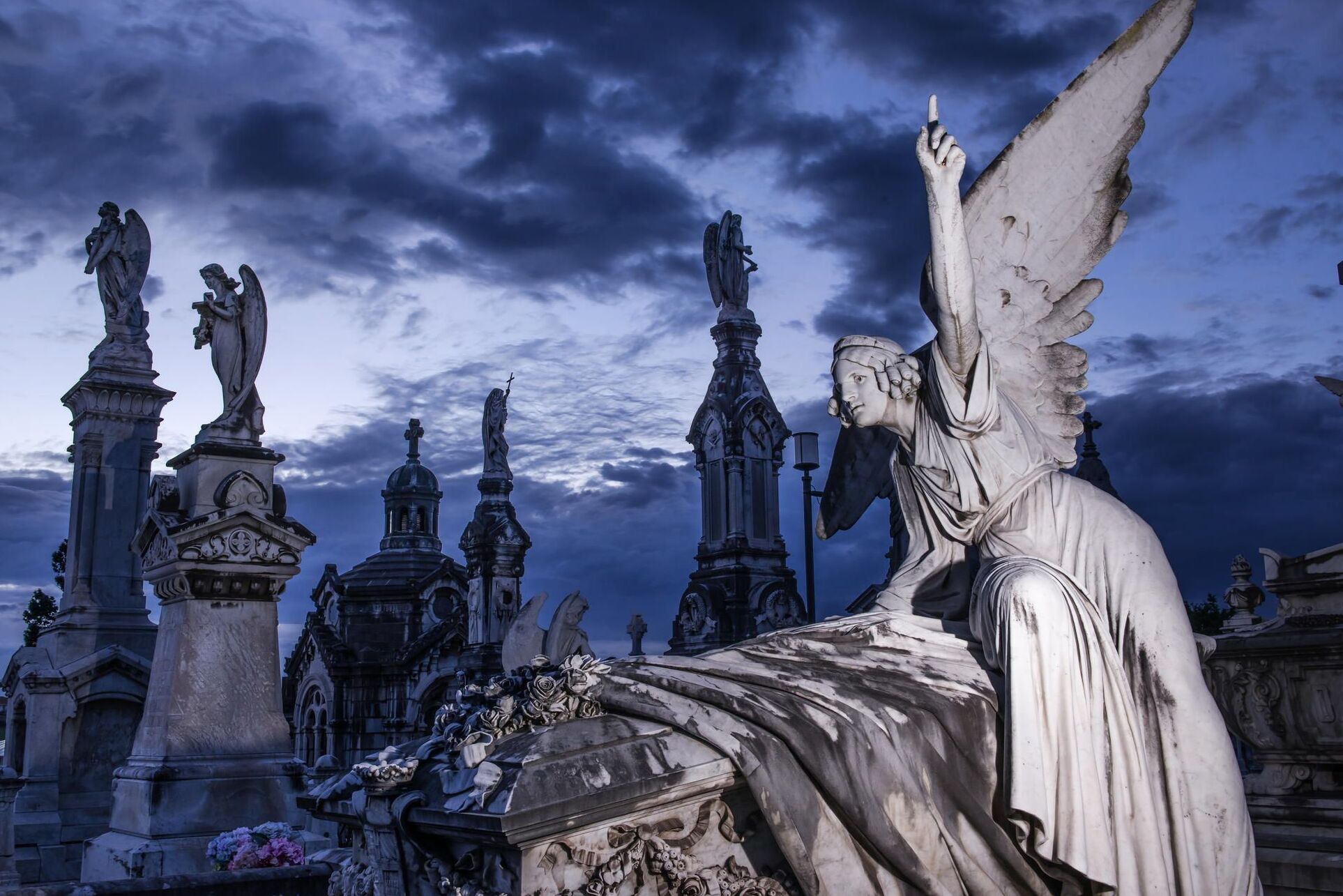

Nestled in the heart of Avilés, the Cemetery of La Carriona stands as a testament to the region’s rich history and its intricate relationship with the cultural currents of the world. Designed by the architect Ricardo Marcos Bausá and inaugurated in 1890, this cemetery is not just a final resting place; it’s a fascinating intersection of Asturian heritage, multiculturalism, and artistic brilliance.
### History and Origins The origins of the Cemetery of La Carriona are deeply intertwined with Avilés's historical significance as a key port city. In the late 19th century, as the industrial revolution took hold, many local merchants and emigrants sought fortune in the Americas. This period saw a surge of wealth that transformed Avilés, leading to the need for a more refined burial site that mirrored the aspirations of its citizens.
Before La Carriona’s establishment, the Old Cemetery of San Juan had served the community. However, as the population grew and the demand for a more modern necropolis emerged, La Carriona was born. The inauguration of the cemetery was a reflection of the social and economic changes sweeping through Asturias, marking a shift toward an era of prosperity and cultural exchange.
### Art and Architecture The architectural style of La Carriona blends neoclassical and romantic elements, showcasing intricate designs that invite visitors to explore its myriad pathways. The prominent central chapel, with its solemn yet majestic presence, serves as a focal point, surrounded by wide avenues lined with elaborate mausoleums and gravestones.
Among the cemetery's most notable artworks is the Angel of the Crypt belonging to the Marchioness of San Juan de Nieva. This exquisite sculpture, characterized by its ethereal beauty, exemplifies the craftsmanship of the period and the emotional depth captured in stone. Each tombstone and monument tells a story, with many featuring elaborate carvings and inscriptions that reflect the life and times of those who rest there.
### Local Culture and Traditions Avilés is rich in customs and traditions that are intricately linked to its history. One of the most significant is the celebration of Día de Todos los Santos (All Saints' Day) on November 1st, when families visit their loved ones' graves, illuminating them with candles and decorating them with flowers. This poignant ritual not only honors the deceased but also reinforces the community's connection to its past.
Additionally, the cemetery has been a venue for various cultural events, including art exhibitions and poetry readings, emphasizing the importance of La Carriona as a space for reflection and appreciation of Asturian culture.
### Gastronomy No visit to Avilés would be complete without indulging in its local cuisine. Known for its Asturian cider (sidra), a staple in the region, this fermented apple drink is best enjoyed in traditional siderías. Pair it with fabada asturiana, a hearty bean stew made with chorizo, morcilla (blood sausage), and pork, to savor the rich flavors that define Asturian gastronomy.
For dessert, don't miss out on tarta de manzana, a delicious apple pie that reflects the region’s agricultural bounty. Each bite offers a taste of the landscape, connecting visitors to the land’s rich history.
### Lesser-Known Curiosities While many tourists may admire the obvious beauty of La Carriona, there are hidden gems worth discovering. For instance, the cemetery is home to a unique tree of life, a monument that signifies rebirth and hope, often overlooked by visitors. Additionally, the stories of notable individuals buried here, including local industrialists and artists, provide fascinating insights into the city’s past.
Another intriguing aspect is the occasional ghost tours that explore the cemetery’s more mysterious side, shedding light on local legends and eerie tales that enrich the overall experience.
### Practical Visitor Information The best time to visit the Cemetery of La Carriona is during the spring and autumn months when the weather is mild, and the cemetery’s beauty is enhanced by blooming flowers and colorful foliage. Plan your visit during the Día de Todos los Santos for a truly immersive experience, but be prepared for larger crowds.
When exploring La Carriona, take your time to wander its paths and appreciate the artistry of the sculptures and monuments. Don’t forget your camera; the interplay of light and shadow among the tombstones creates a hauntingly beautiful atmosphere.
### Conclusion The Cemetery of La Carriona is more than just a final resting place; it’s a living testament to Avilés’s rich tapestry of history, art, and culture. To truly appreciate this remarkable site and the surrounding area, consider using the Secret World app to tailor a personalized itinerary that captures the essence of Avilés.
