
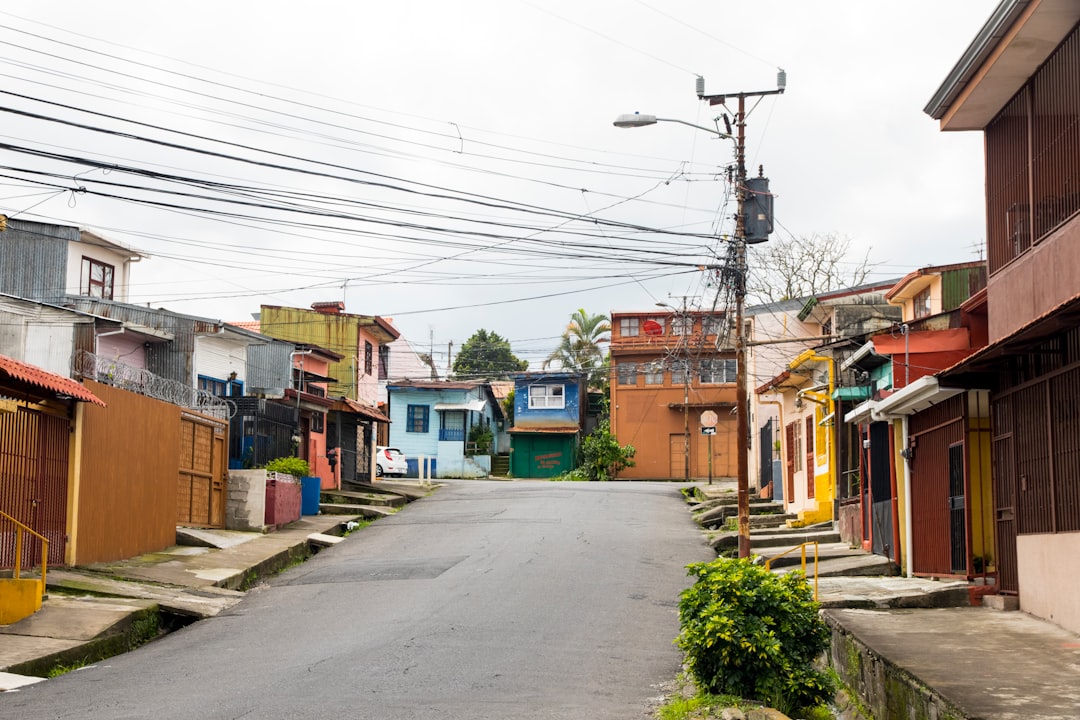

The smell of black beans simmering and fried meat in hot oil hits you before you even step through the entrance. The Central Market of San José has been around since 1880 and occupies an entire block in the heart of the Costa Rican capital, between streets 6 and 8 and avenues Central and 1. Its ochre walls and corridors covered by rusty metal awnings have not succumbed to the polished renovations that have transformed other Latin American markets into tourist attractions. Here, public employees, street vendors, and bus drivers come to eat: people with little time and less money, who know exactly what they want.

The market spans about 7,000 square meters of covered area, divided into a network of narrow and winding corridors that can disorient you on your first visit. There is no official map distributed at the entrance, and finding your way around is part of the experience. The stalls sell everything — spices, medicinal herbs, fresh meat, flowers, used shoes — but it is the food sector, concentrated mainly in the central part and along the main corridor, that makes this place unique from a gastronomic point of view.
The casado: the dish that tells the story of Costa Rica on a plate

The casado is the quintessential lunchtime meal in Costa Rica, and at the Mercado Central, you can find it in its most honest version. The name comes from the traditional idea that it was the lunch that wives prepared for their husbands — "casado" literally means "married" — and the composition reflects this domestic logic: white rice, black or red beans cooked separately, a salad of cabbage and tomato dressed with lemon, a side of fried ripe plantain called plátano maduro, and a protein of choice between roasted chicken, stewed beef, fried fish, or eggs. Everything is served together on a single plastic tray or a large plate, without hierarchies among the elements.
At the market counters, the casado costs between 2,500 and 4,000 Costa Rican colones, equivalent to about 4-7 euros at the current exchange rate. There is no written menu in most places: the lady behind the counter tells you what is available today, and you choose. The stewed meat — often prepared with the local cut called lomito or with pieces of beef braised in tomato and pepper sauce — has a texture that can only be achieved with hours of slow cooking. It is not elaborate cooking. It is precise cooking.

Sweet water and coffee: the morning beverages
Before noon, the market comes alive with a different ritual. Sweet water is a hot beverage made by dissolving tapa de dulce in boiling water, a block of unrefined dark brown cane sugar, with a flavor reminiscent of molasses but more delicate and less cloying. It is served in white ceramic cups without handles, and is drunk accompanied by sweet bread or corn cakes. It has been the breakfast of Costa Rican workers for generations, and at the Central Market, it is still prepared in the traditional way, without the addition of artificial flavors.

Coffee, among the best in the Central American region, is often served already mixed with hot milk — the so-called café con leche — in generous proportions. The morning counters open around six and are crowded until nine: men in work overalls, women with shopping bags, some elderly people reading the newspaper leaning against the counter. The pace is fast but not frantic. No one rushes you, but no one waits for you to decide either.
How to get around and when to go

The best time to visit the Mercado Central is early in the morning, between 7:00 and 9:00, when the activity is at its peak and fresh products are still all available. For lunch, the ideal time is between 11:30 and 13:00, before the stalls run out of the day's preparations. The market is open from Monday to Saturday; on Sundays many stalls remain closed.
It is easily reachable on foot from Parque Central in San José, about a five-minute walk west along Avenida Central. There is no need to take taxis or public transport if you are staying in the historic center. A practical tip: bring cash in colones, as many stalls do not accept credit cards. Avoid bringing large backpacks or open bags — not for any particular danger, but for convenience in the narrow aisles. Allow at least an hour and a half to stroll leisurely, eat, and observe. More time is not necessary, but less would be a shame.


