
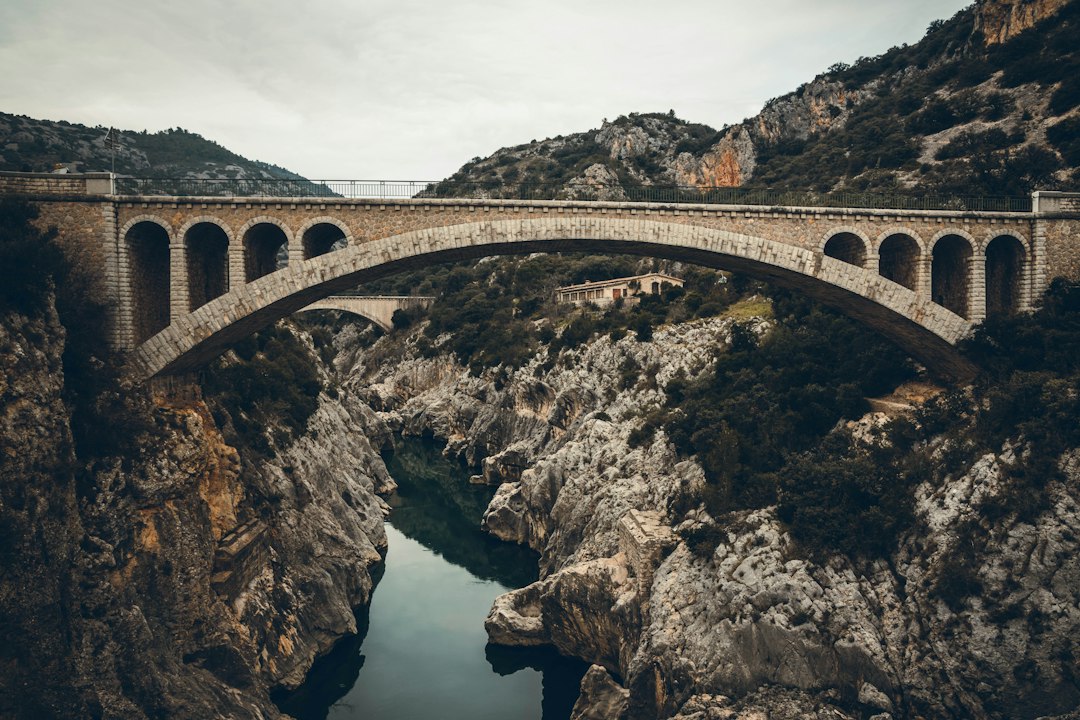

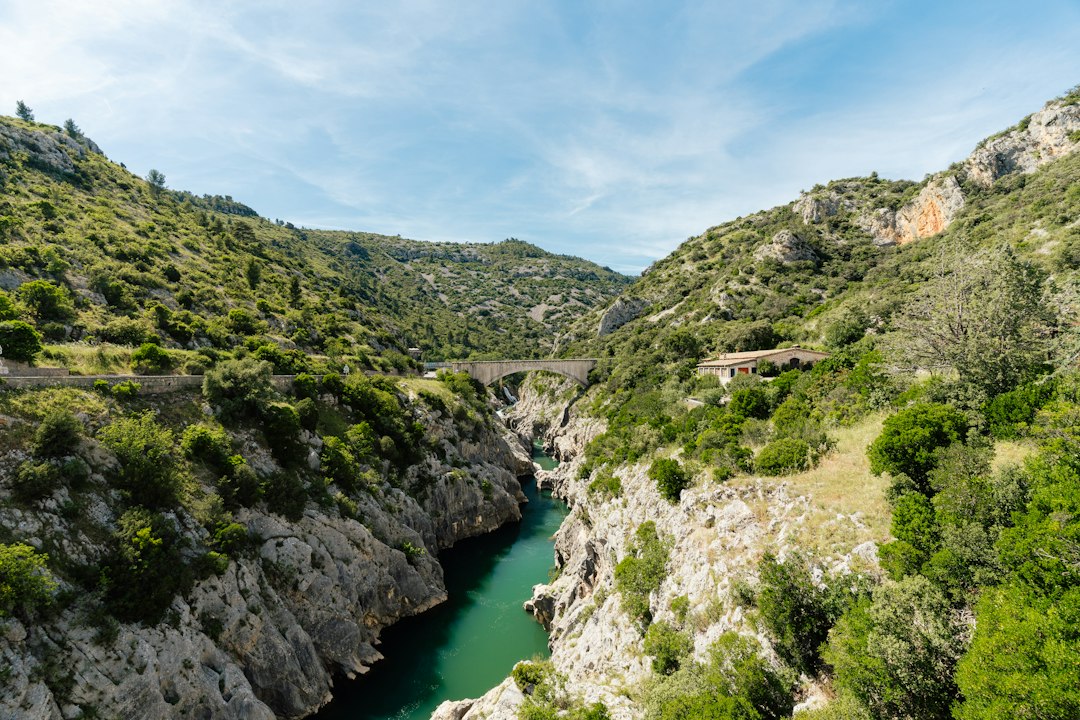
A single arch of gray stone that leaps over the Tech with an almost impossible grace: the Pont du Diable of Céret presents itself like this, without preambles, to those who descend towards the river through the alleys of the historic center. Built in 1321, this medieval single-arch bridge has crossed seven centuries without losing any of its original proportion, and even today it reflects in the waters of the Tech with the same geometry that struck, at the beginning of the twentieth century, two painters destined to change the history of art.
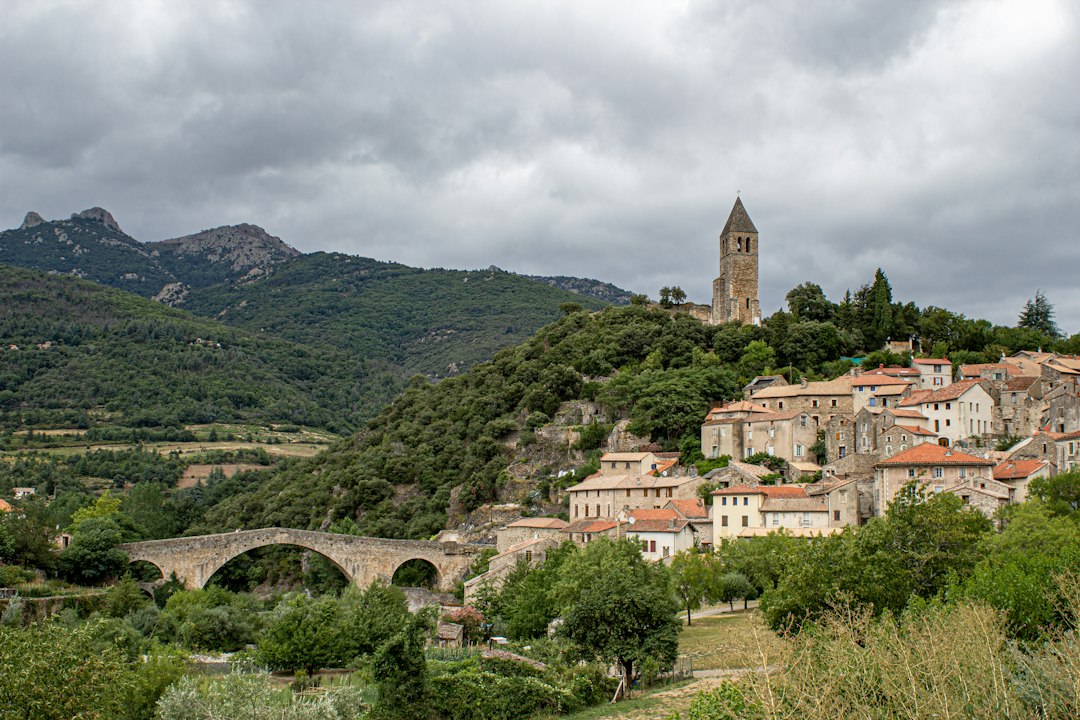
Céret, at the foot of the Catalan Pyrenees, had become between 1911 and 1913 a sort of open-air laboratory for Pablo Picasso and Georges Braque, the two fathers of Cubism. Both stayed here, attracted by the particular light of French Catalonia and the company of artists and intellectuals who gravitated around the city. The Pont du Diable was there, just a few steps away, with its structure that seems to already decompose space into overlapping planes — almost a stone prefiguration of what the two painters were elaborating on the canvas.
The structure of the bridge: what to observe up close
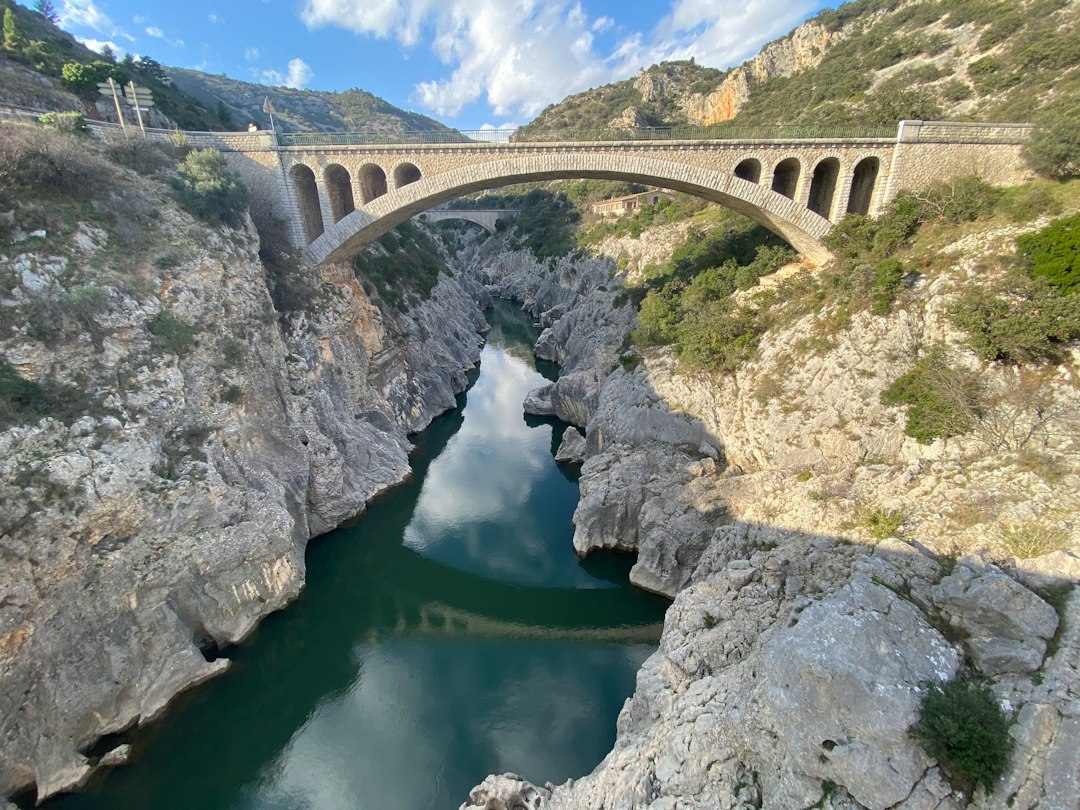
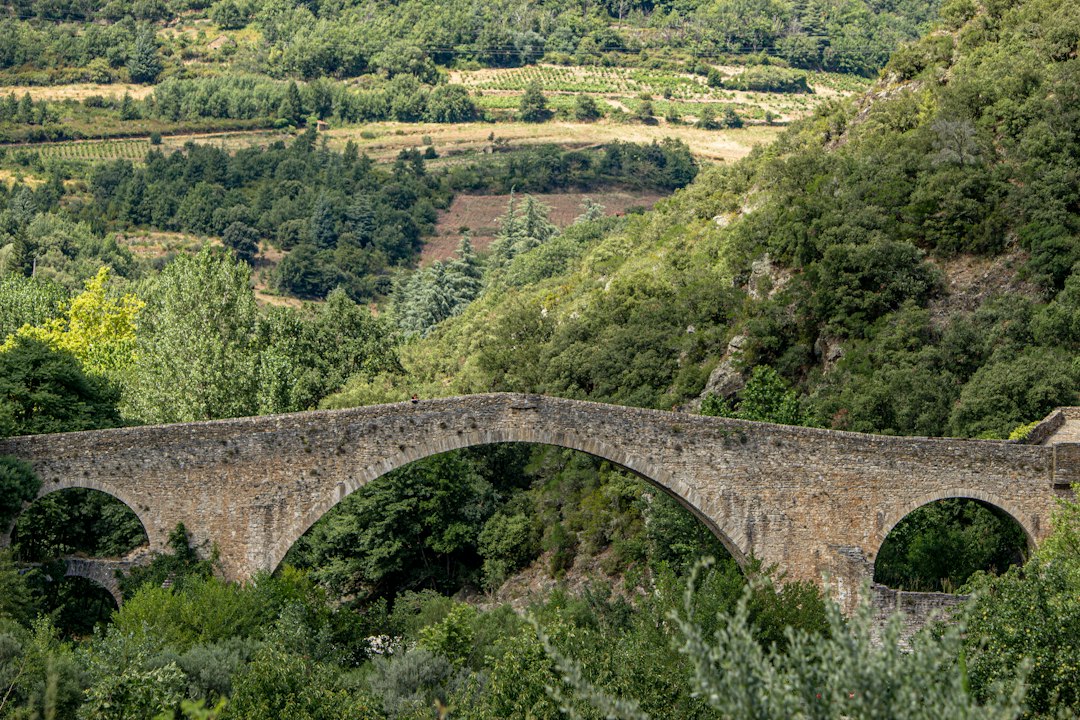
The arch of the Pont du Diable is its most extraordinary element: unique, wide, perfectly semicircular, it spans the Tech with a structural boldness that must have seemed almost supernatural in the 14th century — hence, probably, the popular name that attributes its construction to the devil himself, according to a legend widespread throughout Europe for bridges that are difficult to build. The stone used is local, of a warm gray that turns ochre in the hours of sunset, when the slanting light enhances its rough texture and the irregularities of the medieval masonry.
Walking on the bridge, one notices how the walkway is slightly convex, according to the medieval construction technique that allowed for the drainage of rainwater. The parapets are low, almost absent in some places, and leave an open view of the river below and the lush vegetation that grows along the banks of the Tech. It is worth descending along the path that runs alongside the river to observe the bridge from below: it is from this perspective that the arch reveals all its elegance, and one understands why artists with the trained eye of Picasso and Braque found something visually irresistible about it.
Céret and its connection to Cubism
You cannot visit the Pont du Diable without dedicating at least half a day to the Céret Museum of Modern Art, which is located in the city center and houses a significant collection related to the cubist period spent here by artists. The museum hosts works by Picasso, Braque, Juan Gris, and many others, demonstrating how Céret was truly, during those years, a convergence point for the European avant-garde. Admission to the museum is paid, with rates varying for adults and reduced — it is advisable to check the updated hours on the official website before the visit, as they may change seasonally.
The city itself deserves a stroll: the streets of the historic center retain the atmosphere of an authentic Catalan village, with ancient plane trees shading the squares and cafes where you can still hear Catalan spoken alongside French. Céret is also known for its cherries, celebrated every spring with a local festival that attracts visitors from all over the region — if you happen to be there in May, it is hard not to come across stalls full of fresh fruit.
How to get there and when to visit
Céret is easily reachable by car from Perpignan, located about 30 kilometers to the south, following the D115 that runs up the Tech valley. There is no train station directly in Céret, but regional buses depart from Perpignan that connect the city with some regularity. Those traveling from Spain can arrive from Figueres or Girona by crossing the border: Céret is less than an hour's drive from both Catalan cities.
The best time to visit the Pont du Diable is in the early morning, when the light is still low and the bridge is almost deserted. In summer, especially in July and August, the river attracts local bathers and the area becomes more crowded in the afternoon. Autumn is perhaps the most photogenic season: the vegetation along the Tech changes color, the water is higher after the first rains, and the stone of the bridge takes on darker and more dramatic tones. The bridge is freely accessible, without a ticket and without hours: just head down to the river and let that medieval arch do the rest.


