



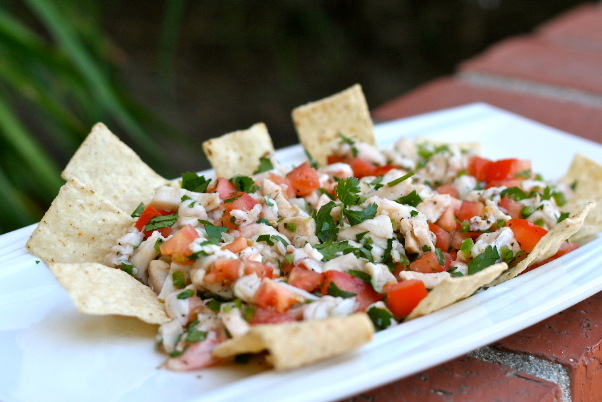
Ceviche is not just a dish; it is a culinary experience that embodies the heart and soul of Peruvian coastal culture. This iconic seafood delicacy has captured the attention of food lovers around the globe, yet its origins are deeply rooted in the rich tapestry of Peru's history.
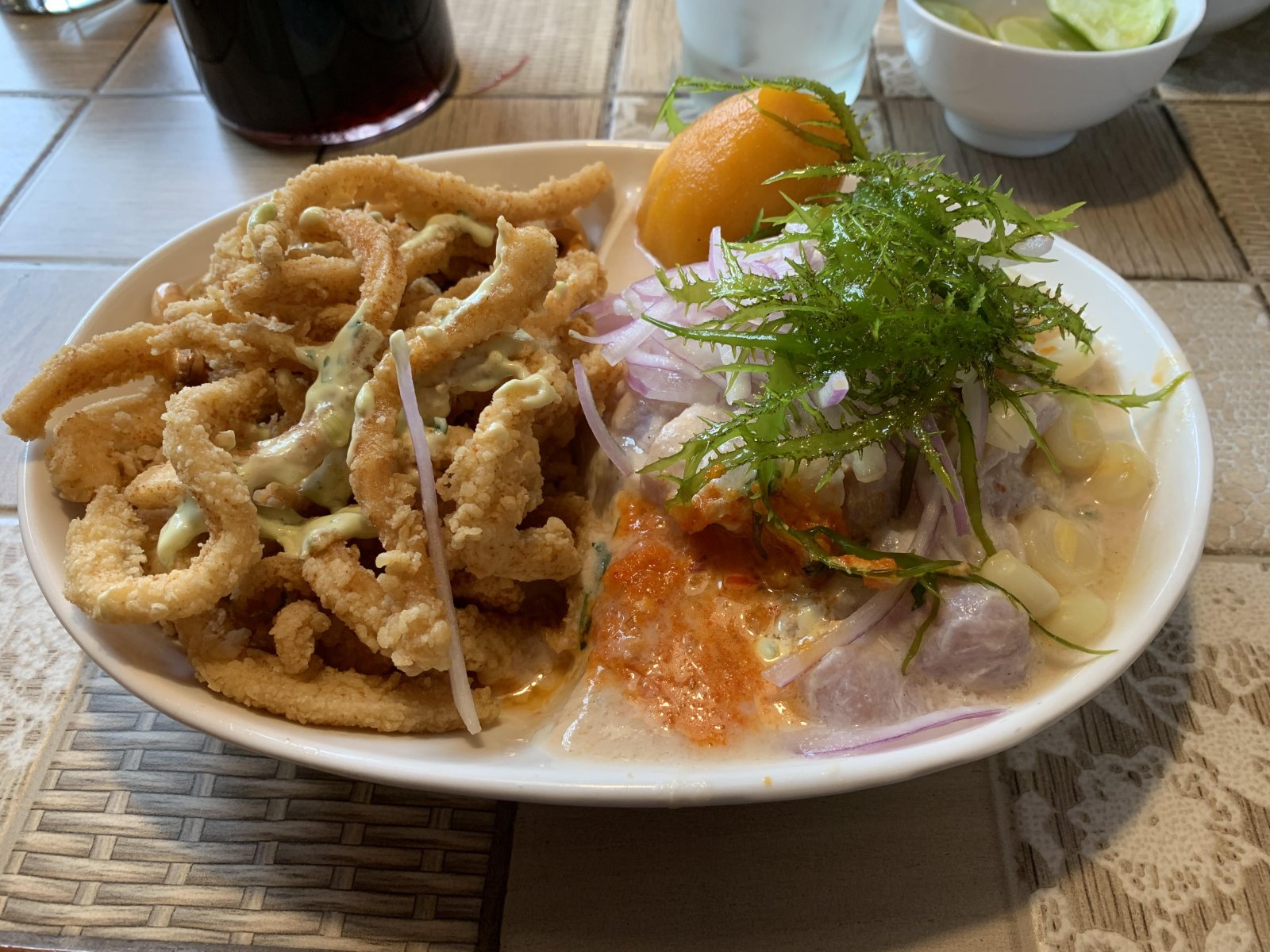
### History and Origins The origins of ceviche can be traced back over 2,000 years to the ancient Mochica civilization on the northern coast of Peru. Archaeological findings suggest that the Mochicas used fermented juices from the local tiger nut, a plant native to the region, to marinate their fish, showcasing the early understanding of food preservation. Spanish colonization in the 16th century introduced citrus fruits, particularly limes, which became a crucial component in modern ceviche preparation.
Throughout the centuries, ceviche evolved, influenced by various cultures. During the 19th century, it became a staple in coastal towns, predominantly in Lima, where it transformed into the dish we celebrate today. The Peruvian War of Independence in the early 1800s also played a role in cementing ceviche’s place in the nation’s culinary identity, with local fishermen and cevicherías (ceviche restaurants) serving the dish to boost morale and foster a sense of community among citizens.
### Art and Architecture While ceviche might not be directly linked to traditional architecture, the ambiance of the places where it is enjoyed contributes significantly to its cultural essence. Many cevicherías in Lima boast vibrant murals celebrating the dish's history and ingredients, often featuring the colorful ají peppers and fresh fish. These vibrant artworks create a lively atmosphere, inviting visitors to immerse themselves in the culinary culture.
One notable establishment, La Mar, is renowned for its dedication to high-quality ingredients and authentic preparation. With its minimalist decor and open kitchen concept, La Mar emphasizes the art of ceviche-making, allowing patrons to witness the skill involved in crafting this beloved dish.
### Local Culture and Traditions Ceviche is more than a meal—it plays an integral role in local customs and traditions. In Peru, ceviche is especially celebrated during the summer months, coinciding with the peak fishing season. The Day of Ceviche, observed on June 28, is a national holiday dedicated to this dish, featuring ceviche competitions and festivals across the country.
In coastal towns, ceviche is often served during family gatherings and festivities, highlighting its role as a communal dish. The ritual of enjoying ceviche with family and friends illustrates the significance of sharing meals in Peruvian culture, reinforcing bonds and fostering a sense of belonging.
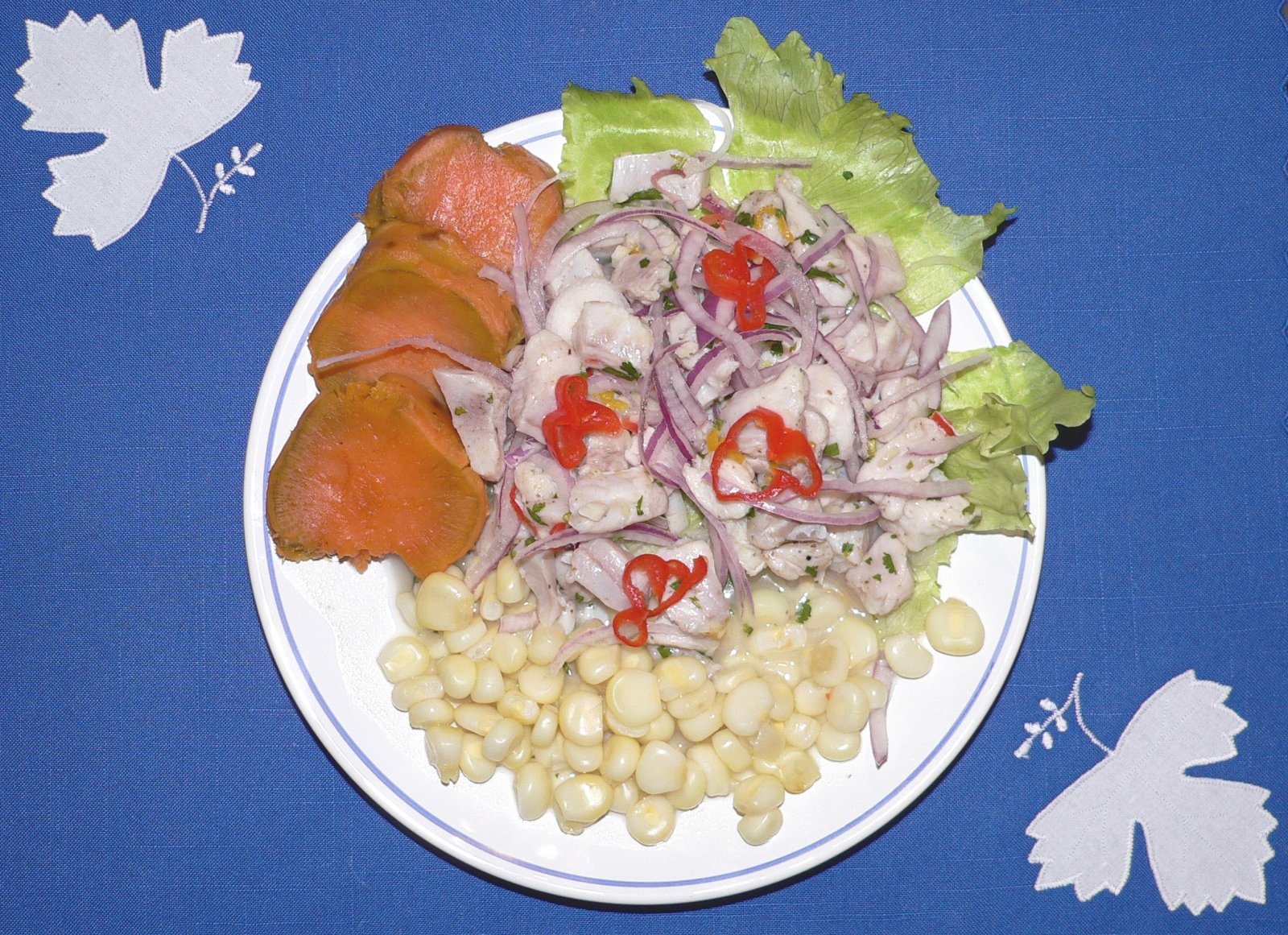
### Gastronomy Ceviche is not consumed in isolation; it is complemented by a variety of traditional side dishes. Sweet potatoes and corn are popular accompaniments, balancing the dish's acidity and providing a delightful contrast. The sweetness of the potatoes is particularly refreshing, while the crunch of choclo (Peruvian corn) adds texture.
Another classic pairing is pisco, Peru's national spirit, often enjoyed as a cocktail known as Pisco Sour. This potent drink, made with pisco, lime juice, simple syrup, egg white, and bitters, beautifully complements the citrusy flavors of ceviche.
### Lesser-Known Curiosities While ceviche is world-renowned, many tourists overlook the rich variety of ceviche styles present in different regions of Peru. For instance, ceviche de mero features grouper, while ceviche de conchas negras incorporates black clams, each offering unique flavors and textures.
Additionally, the concept of ceviche has spread beyond Peru, with variations emerging across Latin America, such as ceviche de camarón in Ecuador or tiradito in Chile, showcasing the dish's adaptability and regional interpretations.
### Practical Visitor Information To experience the best ceviche, the ideal time to visit Peru is during the warmer months, from December to March, when the fish is freshest and the atmosphere is lively. Lima, often dubbed the gastronomic capital of South America, is home to numerous cevicherías, each offering its unique take on this classic dish.
When visiting, don't miss the chance to explore local markets like Mercado de Surquillo, where you can witness the bustling fish trade and even try your hand at making ceviche with fresh ingredients. Always ask about the catch of the day to ensure you savor the freshest flavors.
As you embark on your culinary journey through Peru, let the vibrant flavors of ceviche lead the way, complemented by local traditions and stunning coastal landscapes. This dish is not just food; it is a celebration of culture, history, and community.
For a personalized itinerary that highlights the best of Peru's ceviche scene, consider using the Secret World app.
