
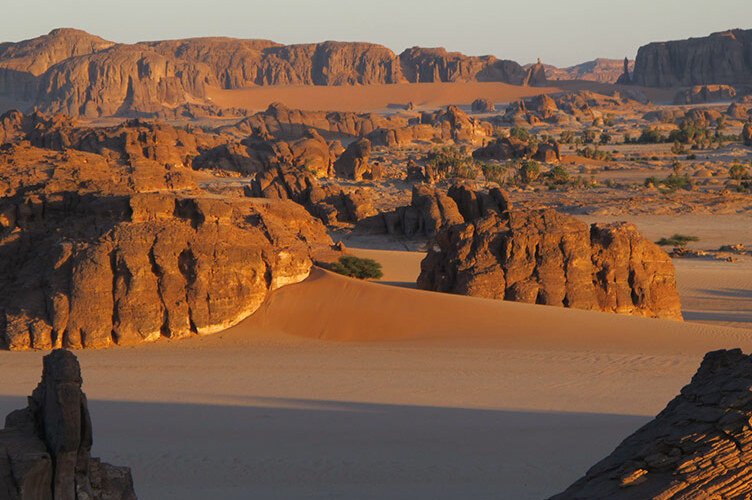

Nestled within the rugged beauty of the Tibesti Mountains, Soborom Hot Springs offers travelers a glimpse into the geothermal marvels of Chad. As one of the least explored regions in the Sahara, it stands at a crossroads of ancient history and vibrant local culture. The hot springs, which lie on the eastern flank of Emi Koussi at an altitude of 850 meters, are surrounded by dramatic landscapes and rich cultural traditions that tell the story of the people who have called this area home.
History and Origins The history of Soborom Hot Springs is closely tied to the Tibesti Mountains, the largest mountain range in the central Sahara. These mountains have long been a refuge for nomadic tribes, and the geothermal features of Soborom have provided them with a vital resource. The springs are believed to have been used by the indigenous Toubou people for centuries, serving both practical and spiritual purposes. While the region has been marked by conflict, notably during the Chadian Civil War in the 1970s and 1980s, it has also been a site of resilience, where communities have forged bonds over shared resources and traditions.
Art and Architecture The artistic expression in the area is deeply intertwined with the landscape. Traditional Toubou architecture, characterized by its use of locally sourced materials such as stone and mud, reflects a harmonious relationship with the environment. While there aren’t grand monuments near the hot springs, the surrounding Tibesti Mountains boast ancient rock art that dates back thousands of years. These petroglyphs depict scenes of daily life, animals, and spiritual beliefs, capturing a snapshot of the region's rich history. Visitors often find themselves enchanted by these artworks, which serve as a testament to the resilience and creativity of the Toubou people.
Local Culture and Traditions The culture surrounding Soborom is vibrant and alive with traditions. The Toubou people are known for their rich oral history, storytelling, and music, which often accompanies festivals and communal gatherings. Goumbi, a traditional dance, is performed during celebrations such as the Eid al-Fitr festival, marking the end of Ramadan. The interplay of music, dance, and storytelling provides a glimpse into the community’s values and social structures. Visitors are encouraged to engage with local customs, which may include participating in traditional meals or witnessing local crafts being made.
Gastronomy Food in the region is a reflection of the harsh desert environment, relying heavily on grains, meats, and locally sourced vegetables. Typical dishes include djeruk, a type of porridge made from millet, and kebabs made from goat or sheep, often spiced with local herbs. Meals are typically enjoyed communally, fostering a sense of connection among family and friends. Tea, particularly the sweetened Berber tea, is a staple in daily life and is often served as a sign of hospitality to guests.
Lesser-Known Curiosities Despite its remote location, Soborom Hot Springs is home to unique geological phenomena. The springs are not only visually stunning; they are also said to have therapeutic properties. Local lore suggests that the waters can heal ailments, drawing both residents and visitors to their warmth. Additionally, the area remains largely unexplored by mainstream tourism, offering a sense of adventure for those willing to venture off the beaten path. The history of the Toubou people and their connection to the land is often overlooked, making a visit here a chance to experience a culture rich in tradition and resilience.
Practical Visitor Information The best time to visit Soborom is during the cooler months, from November to February, when temperatures are more bearable for outdoor exploration. Travelers should prepare for a rugged journey, as accessibility can be challenging due to the mountainous terrain. Engaging a local guide is highly recommended to navigate the area safely and gain deeper insights into local culture and history. Look out for the stunning landscapes that surround the hot springs, as well as the fascinating wildlife that inhabits the region, including various bird species that thrive in this unique ecosystem.
For those looking to immerse themselves in the untouched beauty and culture of Chad, Soborom Hot Springs is a hidden gem waiting to be discovered. Plan your visit carefully, and you may find that this geothermal paradise offers not just relaxation, but a profound connection to a landscape steeped in history and tradition.
To make the most of your adventure, consider using the Secret World app to tailor your itinerary.


