
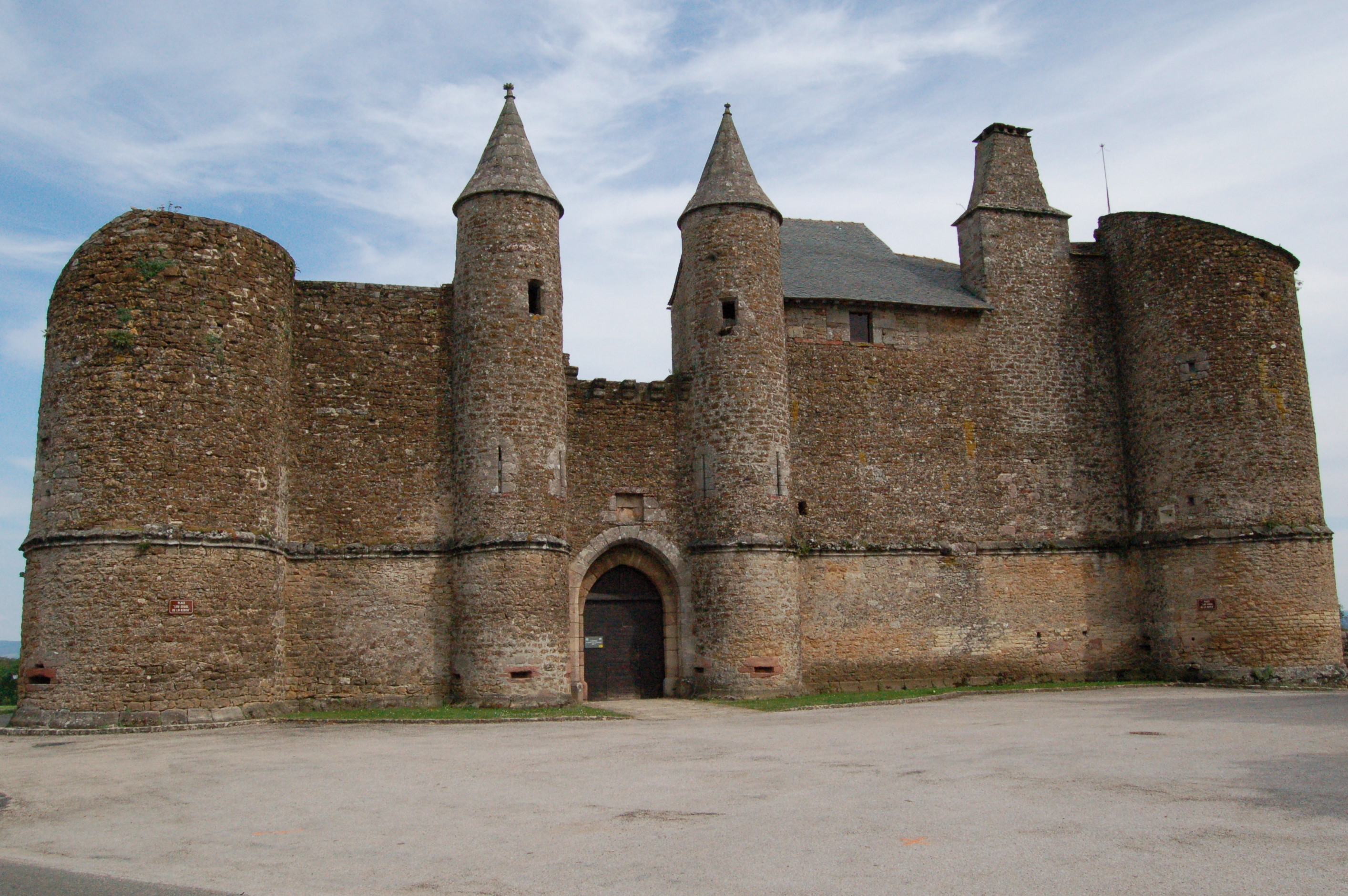

Nestled in the serene landscapes of southern France, the Château d'Onet in Onet-le-Château is a testament to centuries of history and architectural grandeur. With origins dating back to the 13th century, this enchanting castle has been a silent witness to the ebb and flow of history, from medieval times through the turbulence of the French Revolution.
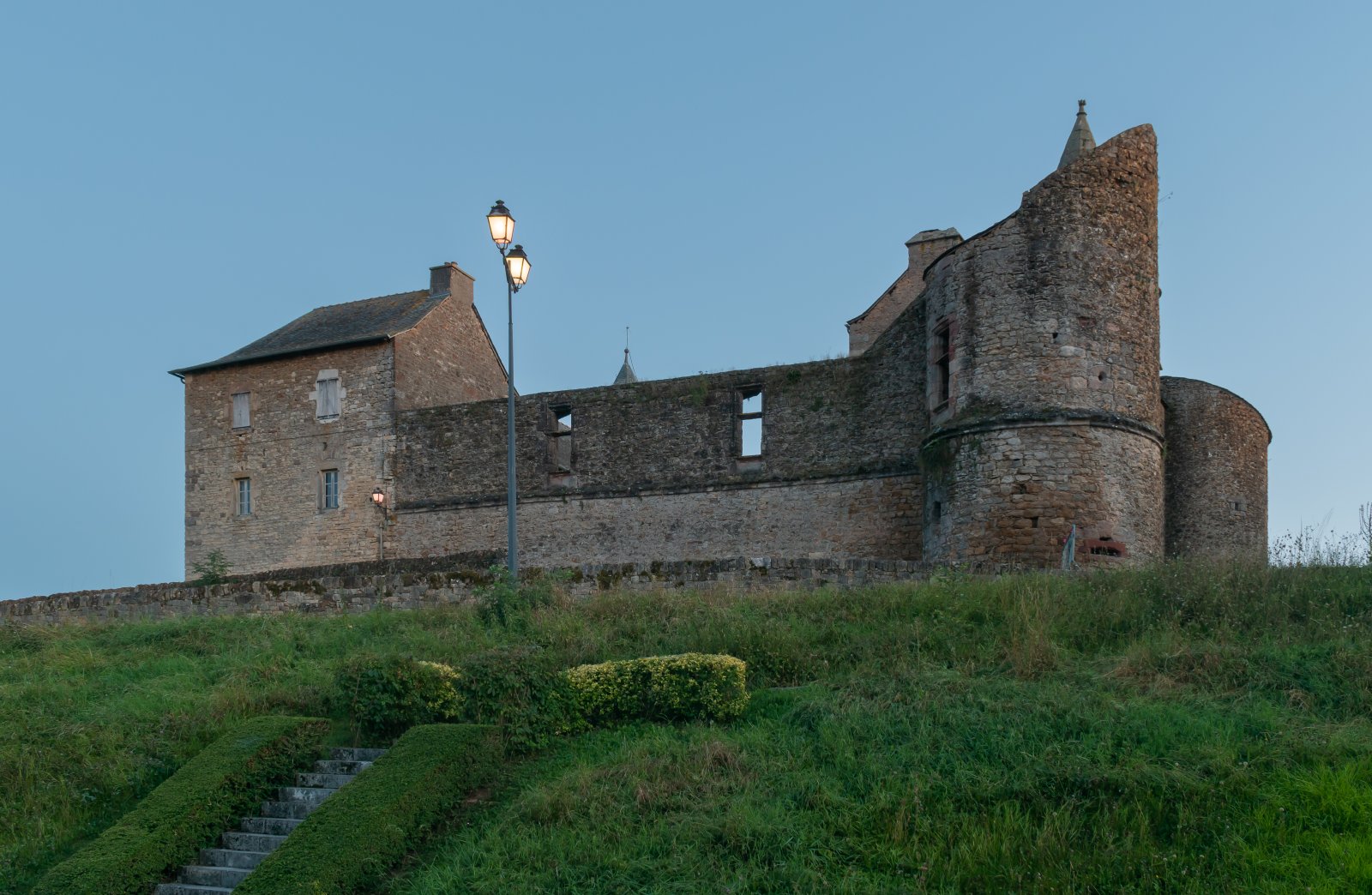
The Château d'Onet was constructed in 1518-1519, primarily serving as a summer residence for the canons of Rodez, a town famous for its ecclesiastical heritage. However, its roots reach deeper into the past, with the original castle standing as early as the 13th century. The structure has seen many transformations, reflecting the architectural trends and political climates of its times. During the French Revolution in 1792, the castle's valuable furniture was confiscated, marking a significant yet somber chapter in its storied history.
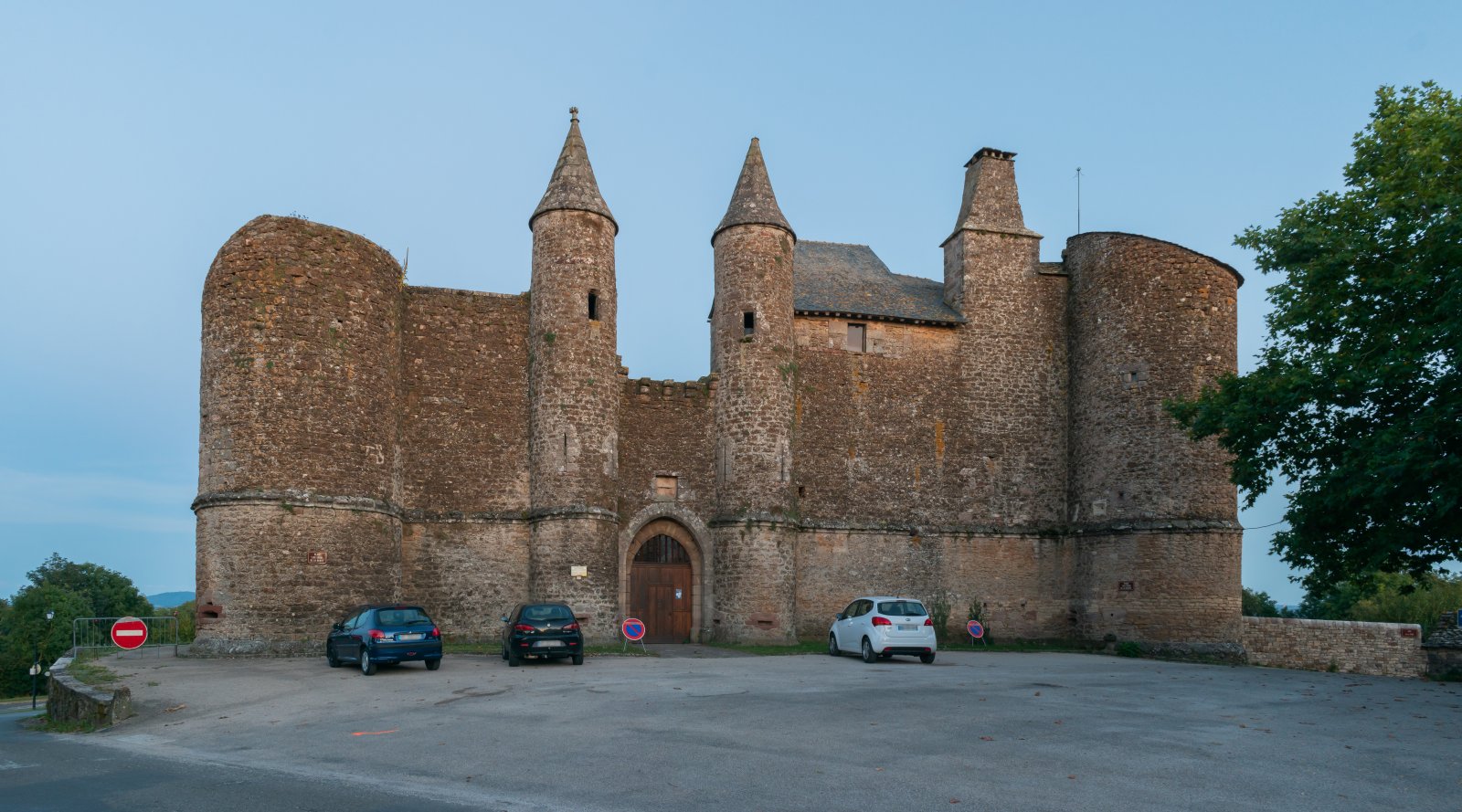
Architecturally, the Château d'Onet is a harmonious blend of Gothic and Renaissance styles. Its imposing stone façade and intricate carvings are typical of the late Gothic period, while the interior reflects the Renaissance's fascination with symmetry and proportion. The castle's towers, with their conical roofs, rise majestically, offering a glimpse into the past. While much of the original decoration has been lost, the castle's structural elegance speaks volumes of its historical importance.
The local culture of Onet-le-Château is deeply intertwined with its medieval past. The town and its residents celebrate their heritage through various festivals, notably the Fête de la Saint-Jean, a traditional midsummer celebration featuring bonfires, music, and dance. This festival is a vibrant display of the community's spirit and offers visitors an authentic taste of regional customs.
Gastronomy in this region is a delightful exploration of Occitan flavors. The Aveyron department, where Onet-le-Château is located, is renowned for its hearty and rustic cuisine. Visitors can savor local specialties such as aligot, a creamy blend of potatoes and Tomme cheese, and Roquefort cheese, a world-famous blue cheese produced in nearby caves. Accompanying these dishes, a glass of Marcillac wine, known for its robust and fruity character, completes the culinary experience.
For those seeking lesser-known curiosities, the Château d'Onet offers several hidden treasures. One intriguing feature is the underground tunnels rumored to connect the castle to other historical sites in the region. While not all of these passages are accessible, their existence adds an element of mystery and intrigue. Another unique aspect is the castle's pigeon loft, a symbol of nobility and wealth in medieval times, which has been meticulously preserved.
When planning a visit to Château d'Onet, the best time to explore is during the mild spring or early autumn months when the weather is pleasant and the surrounding landscapes are in full bloom. Guided tours are available, offering insights into the castle's rich history and architectural details. Visitors should take the time to explore the picturesque gardens and surrounding countryside, which provide a peaceful retreat from the bustle of modern life.
For a truly enriching experience, it is advisable to engage with local guides who can share folklore and anecdotes that are often missed in standard tours. Keep an eye out for the small details, like the stone carvings that depict heraldic symbols and tell stories of the castle's illustrious past.
In summary, the Château d'Onet is more than just a historical monument; it is a living narrative of the past, woven with tales of art, architecture, and local culture. Whether you're a history enthusiast, an architecture aficionado, or simply in search of an authentic French experience, this castle promises to captivate and inspire.


