
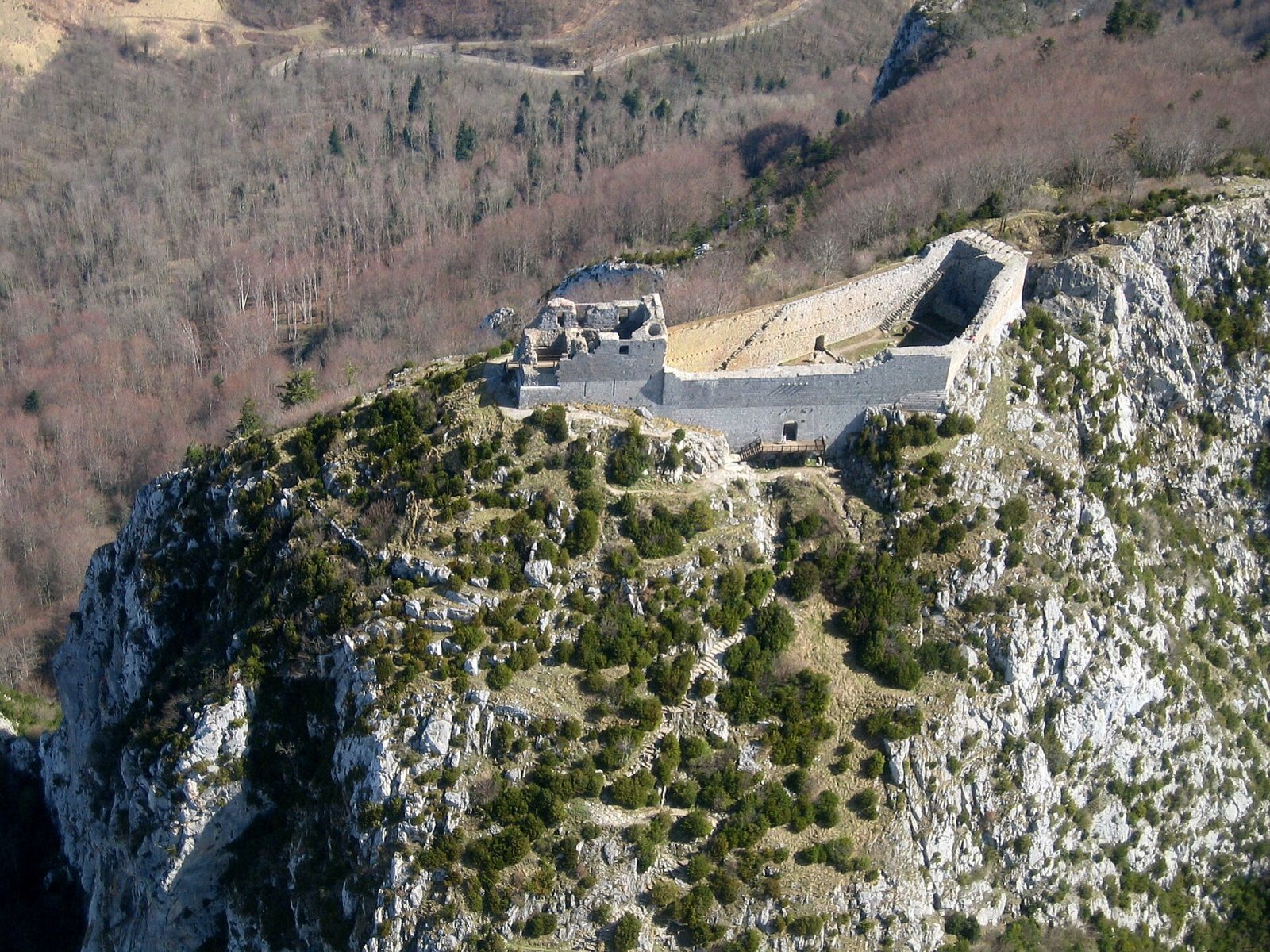

Nestled in the heart of Occitanie, the Château de Montségur is a symbol of resistance and history, a place that tells the tales of the Cathars and their struggle for freedom. This imposing fortress, situated at 1,207 meters above sea level, is not just an architectural monument but a true witness to a tumultuous era. Its strategic location offers breathtaking views of the surrounding valleys, making the visit an unforgettable experience.

The history of Montségur is intrinsically linked to the Cathar movement, which flourished in the 12th century. The Cathars, considered heretics by the Catholic Church, found in this stronghold a safe refuge. However, in 1244, after a long siege, the fortress fell, marking one of the most dramatic pages in French medieval history. Legend has it that the Cathars hid a treasure, the Holy Grail, within its walls, fueling the allure that still surrounds this place today.
History and Origins
The Château de Montségur was built in the 12th century and represents one of the most important examples of medieval military architecture. Its construction was commissioned by the Cathars, who used it as a bulwark against the crusading forces. The fortress has been the scene of significant historical events, including the siege of 1244, which culminated in the tragic surrender of the Cathars. The history of Montségur is therefore steeped in religious conflicts and struggles for freedom of worship, making it a site of great historical relevance.
Today, the ruins of the castle, although partially destroyed, retain a unique charm. Their visit allows one to immerse in an era when faith and freedom came at a high price. The fortress has been the subject of numerous studies and research, and every year it attracts visitors from around the world, eager to learn about the history of the Cathars and their resistance.
Elements to Observe
One of the most fascinating features of Montségur is its panoramic position, which offers a spectacular view of the Pyrenees mountain range and the surrounding valleys. The ascent to the castle, while challenging, is a rewarding experience that allows one to appreciate the beauty of the landscape. Once at the top, visitors can observe the remains of the ancient walls and the central tower, which tell stories of battles and hopes.
Within the site, there are informative panels that illustrate the history of the castle and the Cathars, making the visit even more engaging. It is not uncommon to encounter groups of history and culture enthusiasts who gather to discuss and share their knowledge about this emblematic place. Montségur is not just a site to visit, but a place to experience and feel.
Why It Is Interesting Today
The Château de Montségur continues to be a landmark for those seeking to understand the complexities of European history. Its story of resistance and the struggle for freedom of thought resonates today, inspiring reflections on tolerance and cultural diversity. Moreover, the castle is often at the center of cultural events and historical reenactments that attract a diverse audience, making each visit a dynamic and engaging experience.
In an era where interreligious dialogue and mutual understanding are more important than ever, Montségur stands as a symbol of hope and resilience. Its history continues to be studied and celebrated, attracting scholars, tourists, and history enthusiasts who wish to discover the roots of a past that has shaped the present.
Practical Information for Visitors
To reach the Château de Montségur, it is advisable to use personal transportation, as the site is located in a mountainous area with limited access to public transport. The visit is free, but it is recommended to check the opening hours and any seasonal restrictions. It is also advisable to wear comfortable shoes and bring water and snacks, as the ascent can be challenging.
Finally, for those who wish to further enhance their experience, the Secret World app offers detailed information about historical and cultural sites, making each visit an opportunity to discover and learn more about the heritage of Montségur and the surrounding region.


