
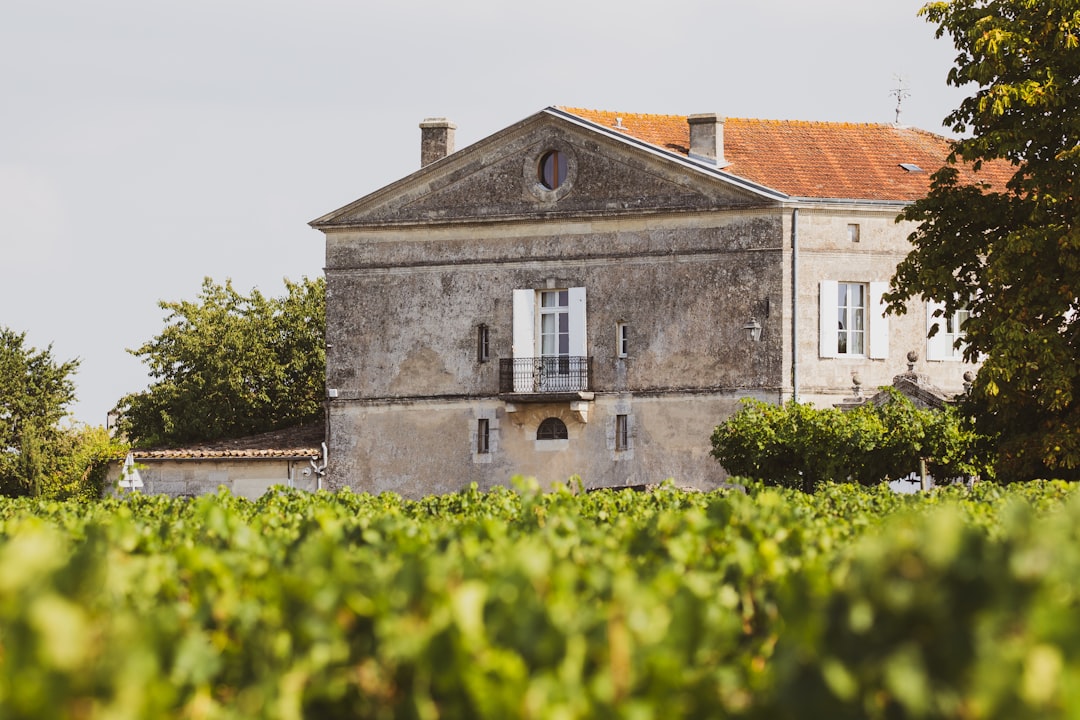

Underfoot, a few meters deep, extend galleries carved two thousand years ago by the Romans. It is here, in the natural caves of Ksara, in the Bekaa Valley, that French Jesuits founded in 1857 what would become the oldest winery in Lebanon. Château Ksara is not simply a wine producer: it is a place where physical history — the rock walls, the dusty bottles, the cool air at a constant temperature — tells something that words struggle to convey.
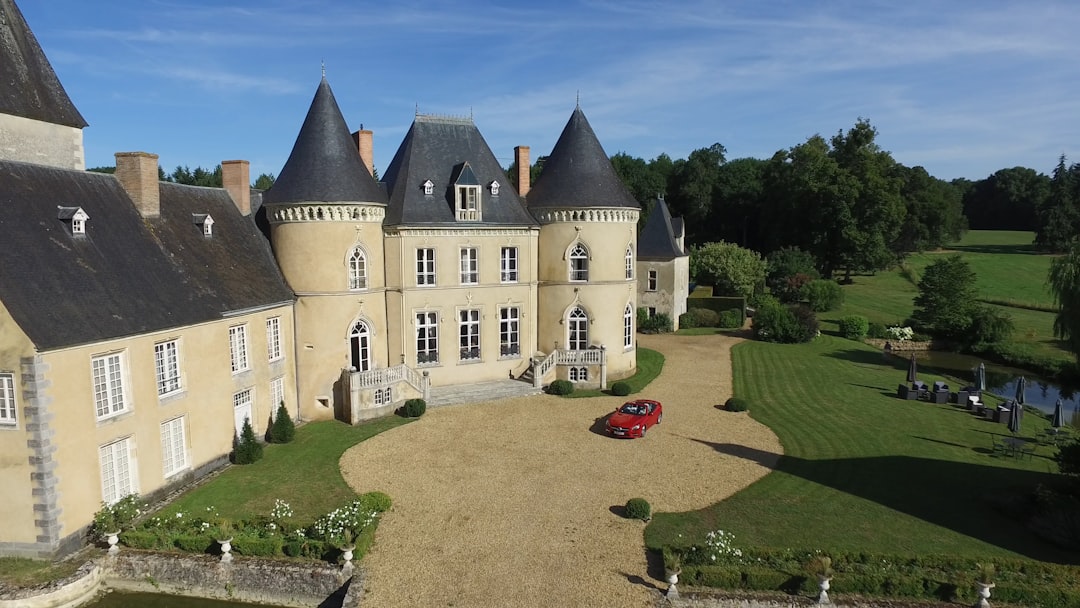
The Bekaa Valley is located at about 1,000 meters above sea level, nestled between Mount Lebanon to the west and the Anti-Lebanon to the east. This semi-arid plateau, with cold winters, hot and dry summers, and intense brightness that lasts almost all year round, offers exceptional conditions for viticulture. The calcareous and well-drained soil, combined with the temperature variations between day and night, allows the grapes to develop an aromatic concentration that local producers have known for centuries, but that the international market has only recently begun to appreciate.
The Roman Cellars: An Underground Journey Not to Be Missed
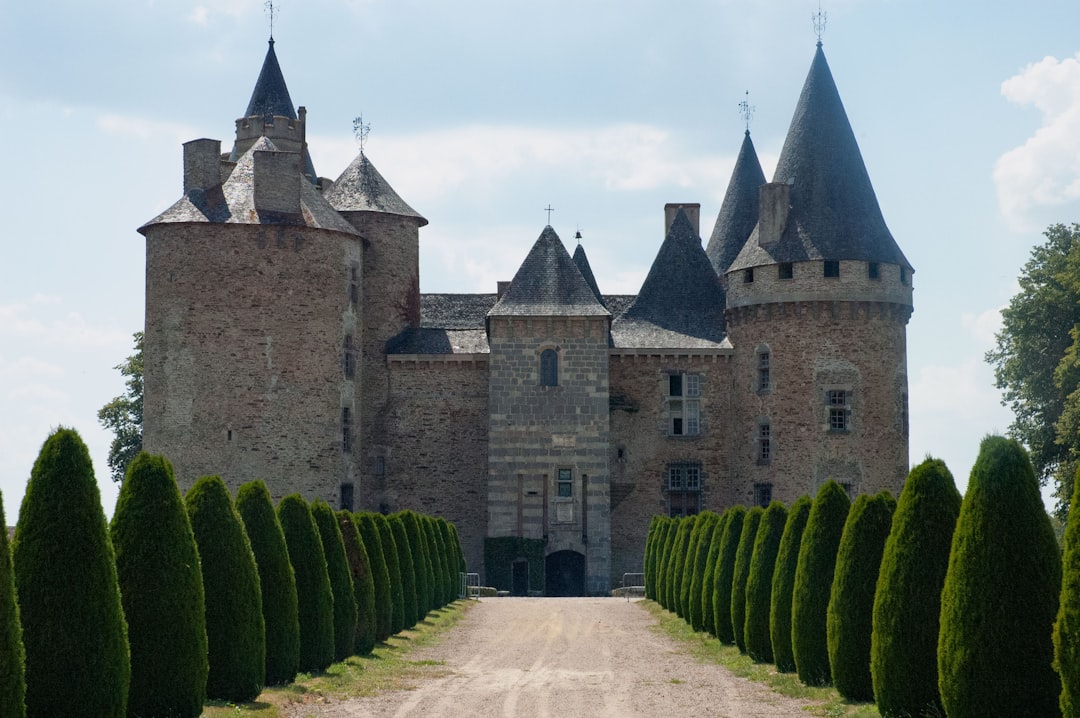
The visit to Château Ksara includes the tour of the underground galleries, which extend for about two kilometers beneath the property. Originally used as shelters or storage during Roman times, these caves were rediscovered by the Jesuits at the end of the 19th century and adapted for wine storage. The internal temperature remains stable around 12-14 degrees Celsius throughout the year, without the need for artificial air conditioning systems.
Walking along the galleries, one encounters rows of oak barrels and thousands of bottles in aging. The lighting is deliberately dim, and the humidity in the air is palpable on the skin. It is one of those rare cases where a production infrastructure also becomes an authentic sensory experience. The guides explain the aging process and show the different areas of the cellar, from the largest barrels for structured red wines to the areas reserved for whites and rosés.
The wines: international grape varieties and local identity
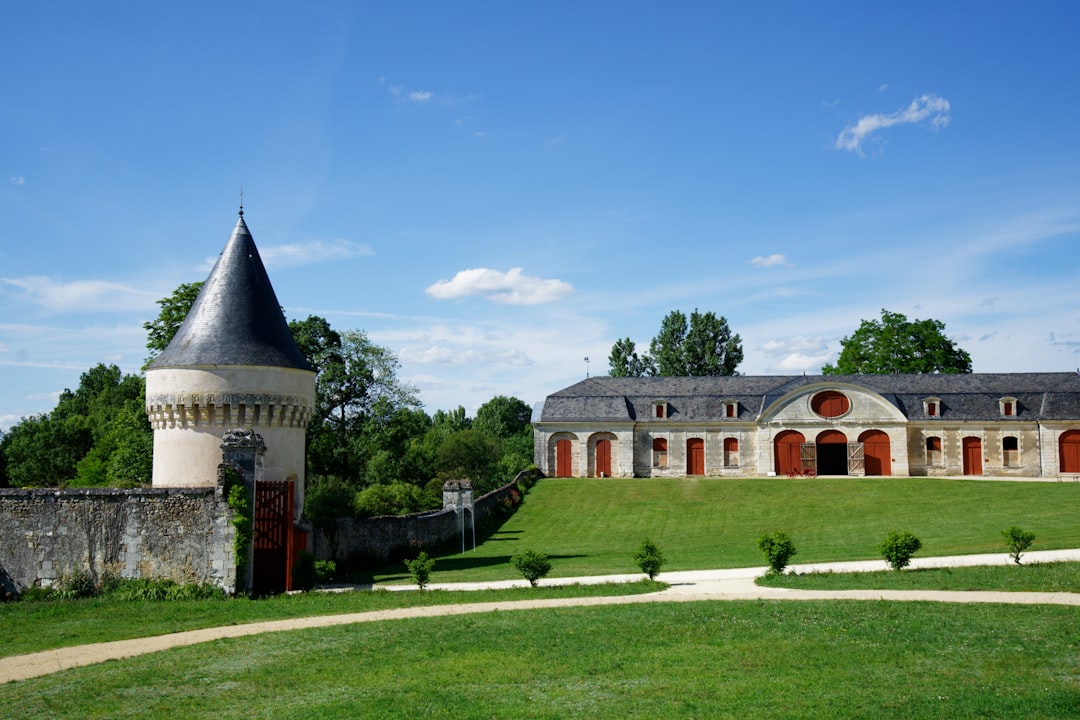
Château Ksara primarily produces from international grape varieties grown in the Bekaa: Cabernet Sauvignon, Merlot, Syrah, Chardonnay, and Sauvignon Blanc are among the most present varieties. The winery bottles several lines, from accessible entry-level labels to wood-aged reserves for several years. The Château Ksara Reserve du Couvent is among the most well-known reds: a blend that varies slightly from vintage to vintage, but focuses on tannic structure and aging potential.
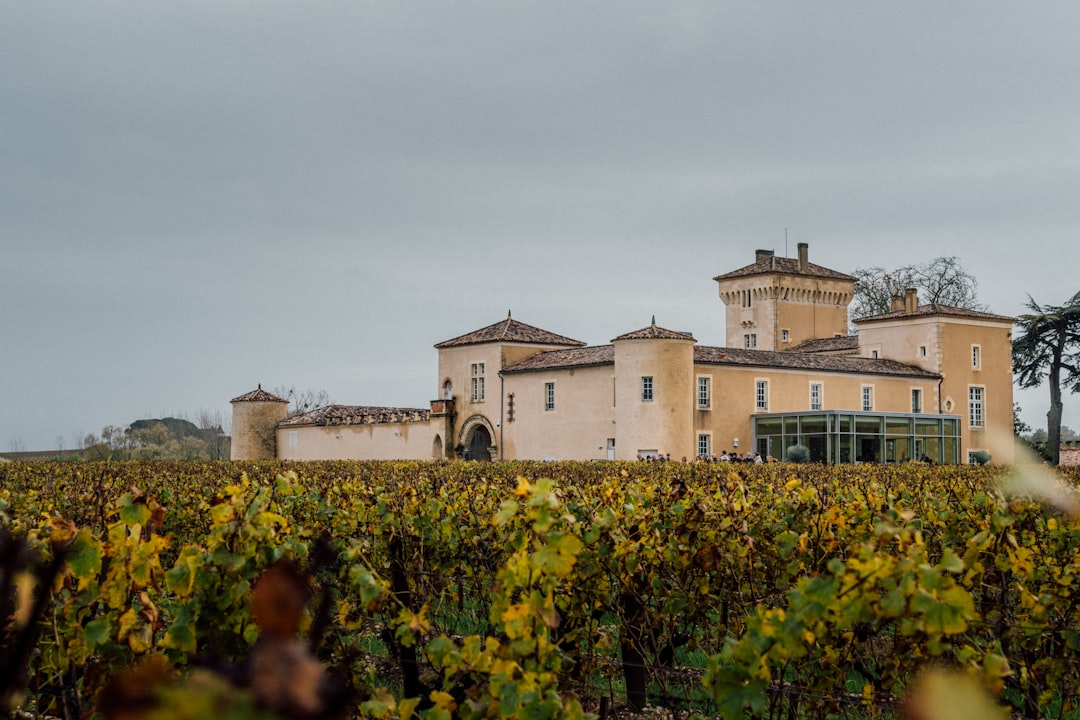
The terroir of the Bekaa imparts a characteristic to the wines that tasters often describe as a tension between ripe fruit and mineral freshness. The altitude mitigates summer heat and preserves the natural acidity of the grapes, avoiding the alcoholic heaviness that sometimes characterizes wines produced in warmer climates. The whites, particularly the Blanc de Blancs, turn out surprisingly fresh and floral for a region that many instinctively associate with powerful reds.
Tasting: What to Expect and How to Organize
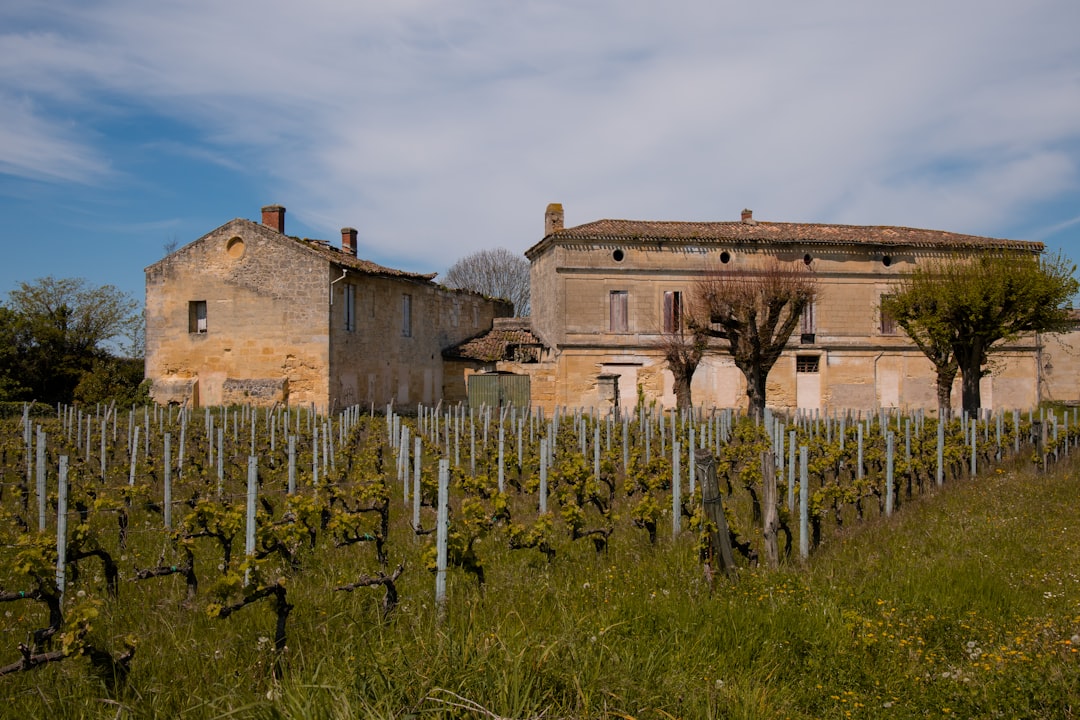
At the end of the tour in the galleries, visitors access the tasting room, where it is possible to taste different labels paired with local cheeses and cured meats. The visit packages generally include the tour of the cellars plus a selection of three or four wines. The prices for the guided tour with tasting are approximately around 15-25 US dollars per person, an amount that can vary based on the number of wines included and seasonal offers.
The best time to visit is in the morning, when the groups are smaller and the outside temperatures are still cool. The winery is located in the village of Ksara, about 50 kilometers from Beirut, accessible by car via the highway towards the Bekaa and then following the signs to Zahle. The drive from Beirut takes about an hour under normal traffic conditions. It is advisable to book the visit in advance, especially on weekends and in the spring months, when the influx of Lebanese and foreign tourists is higher.
The context: visiting the Bekaa Valley today
Ksara is located in one of the most fertile areas of Lebanon, and the winery is not the only producer in the region — other names like Kefraya and Ixsir operate in the same valley. But Château Ksara remains the historical reference point, both for its production continuity and for the accessibility of the visit. The winery has maintained production even during the most difficult periods of the country's recent history, and this fact — over 160 years of uninterrupted activity — says something about the resilience of those who work here and the attachment to the territory that characterizes this viticulture.
Bringing home a few bottles is almost mandatory: the prices at the winery are lower than those found in the shops of Beirut, and some labels are available exclusively on-site. It is worth asking the staff which vintages are available for direct sale, as the offer changes from season to season.


