

Nestled in the heart of the Bordeaux wine region, Château Margaux stands as a beacon of viticultural excellence and historical grandeur. With its roots tracing back to the 12th century, this illustrious estate has cultivated a reputation that resonates with wine aficionados and history enthusiasts alike. The property saw its first significant transformation in the 16th century when Pierre de Lestonnac, a visionary landowner, began shaping the estate into the expansive vineyard it is today. Through the centuries, Château Margaux has weathered the storms of political upheavals and revolutions, yet it remains a steadfast symbol of French winemaking prowess.
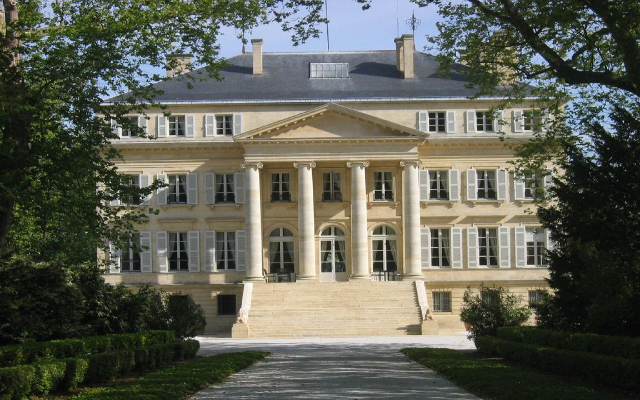
The architectural allure of Château Margaux is undeniable. The current neoclassical structure, completed in 1815 under the direction of architect Louis Combes, is often referred to as the "Versailles of the Médoc." Its symmetrical façade and elegant columns evoke a sense of timeless sophistication, while the surrounding gardens add a touch of romantic charm. Inside, the estate is adorned with exquisite art pieces and period furnishings that reflect its rich heritage. The barrel room, an underground cathedral of aging wine, is a testament to both the art and science of vinification.
Culturally, Château Margaux is entwined with the local traditions of the Bordeaux region. The harvest season, typically from late September to early October, is celebrated with much fervor. Workers and locals alike participate in the vendanges, or grape harvest, which is a time-honored tradition steeped in camaraderie and shared purpose. The estate's wines have also become an integral part of regional festivities, often accompanying the elaborate feasts during events such as the Bordeaux Wine Festival.
Gastronomy around Château Margaux is a sensory delight, with local cuisine that pairs perfectly with its renowned wines. The region is famous for dishes such as entrecôte à la bordelaise, a rich cut of beef cooked with a red wine sauce, and canelés, small caramelized pastries with a custardy center. Seafood from the nearby Atlantic coast offers another layer of culinary exploration, with oysters and mussels being particularly popular.
Beyond the well-trodden paths, Château Margaux harbors lesser-known curiosities that reveal deeper layers of its storied past. One intriguing aspect is the underground tunnel system, originally constructed to connect various parts of the estate discreetly. These tunnels have inspired many tales, including whispers of clandestine meetings during the French Revolution. Another little-known fact is the meticulous care taken in crafting each vintage, with grapes often handpicked at night to preserve their freshness.
For visitors, the best time to experience Château Margaux is during the late spring or early autumn when the vineyards are lush, and the weather is mild. Tours are available by appointment, offering a rare glimpse into the meticulous processes that define their winemaking. It's advisable to book well in advance, as spots fill up quickly due to the estate's global renown. While on the tour, pay attention to the intricacies of the wine cellars, where the interplay of oak barrels and ambient conditions creates the perfect environment for aging.
Château Margaux is not just a destination; it is a journey through time, art, and culture. Its wines are a reflection of its enduring legacy, each bottle telling a story as complex and layered as the estate itself. Whether you are a wine connoisseur or a history buff, a visit to this prestigious château is sure to leave an indelible impression.


