


In the cellar of Château Musar, in Ghazir, in the mountainous region north of Beirut, the oldest bottles rest in cells carved into the limestone, lined up for decades like silent archives of an extraordinary wine history. Founded in 1930 by Gaston Hochar, the estate has weathered wars, embargoes, and economic crises without ever halting production — except for two years, 1976 and 1984, during the darkest periods of the Lebanese civil conflict.
The credit for international notoriety also goes to Gaston's son, Serge Hochar, who starting in the 1970s brought Musar wines to European fairs, winning over critics and the public with unusual and long-lived blends. It was Serge who defined the identity of the winery: unfiltered wines, produced using traditional methods, capable of evolving in the bottle for decades.
The terroir of Bekaa: altitude and continental climate
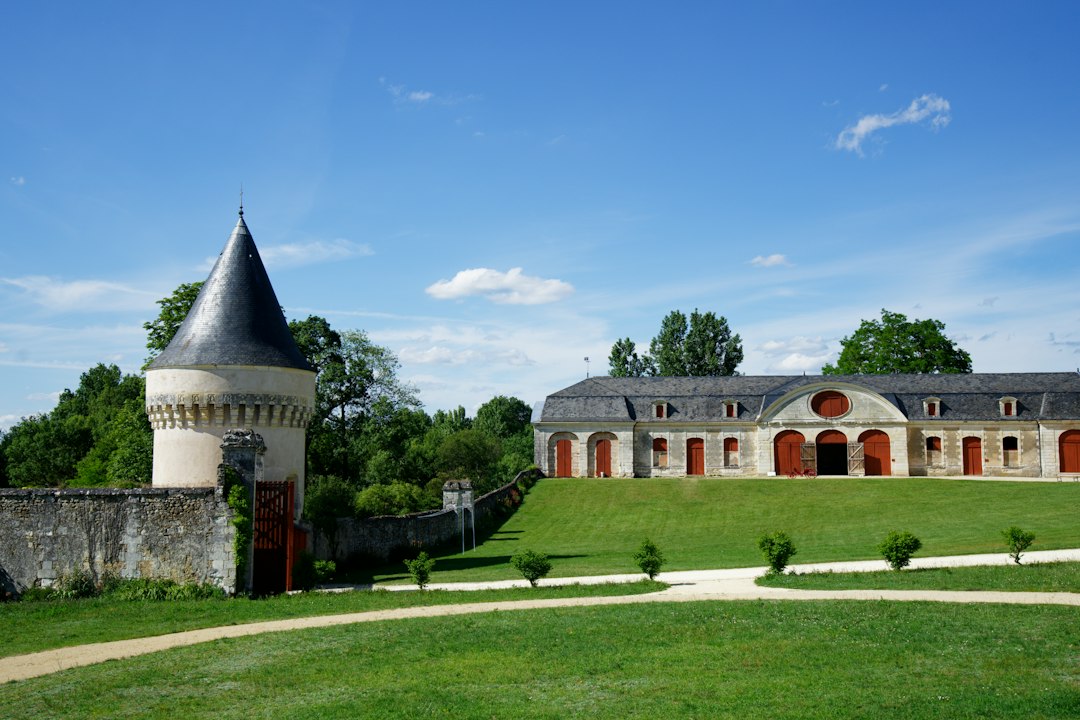
The grapes of Château Musar grow in the Bekaa Valley, at about 1,000 meters above sea level, on limestone and clay soils that retain winter moisture and release heat slowly during the summer. This continental microclimate — hot, dry summers and cold winters with snowfall — slows down the ripening of the clusters and enhances aromatic complexity.
The cultivated grape varieties are mainly Cabernet Sauvignon and Cinsault for red wines, while the whites are based on local varieties such as Obaideh and Merwah, considered among the oldest wine grape varieties in the Mediterranean. The red blend — Cabernet and Cinsault in varying proportions depending on the vintage — is the signature of the winery: spicy, tannic in youth, capable of developing notes of leather, tobacco, and dried fruit with aging.
The guided tour: from the cellars to the glass
The guided tour starts from the main building of the estate in Ghazir, where it is possible to observe the fermentation tanks and the French oak barrels used for aging. The guides — often members of the Hochar family or long-time collaborators — explain in detail the production philosophy: no filtration, indigenous yeasts, late bottling compared to international standards.
The most memorable part of the visit is the vertical tasting, during which it is possible to taste vintages spanning several decades. It is not uncommon to find wines from the nineties or even the eighties, still vibrant and structured in the glass. It is a concrete and rare experience: few producers in the world offer visitors access to such extensive verticals during a regular visit.
What to expect on the palate
The red from Château Musar typically presents a garnet color that tends towards brick in the more mature vintages. On the nose, notes of oriental spices — cardamom, black pepper — are followed by hints of macerated red fruit, tobacco, and, in older vintages, leather and dried mushrooms. On the palate, it is full-bodied, with tannins that soften over the years, and an acidity that ensures longevity.
The white, less known but equally interesting, has an unusual oxidative structure for a contemporary white wine: it somewhat resembles the wines of the French Jura, with notes of dried fruit, honey, and a saline minerality that reflects the limestone soils of the Bekaa. Those expecting a fresh and immediate white might be surprised; those who love complex and unusual wines will find something hard to forget.
Practical tips for the visit
The winery is located in Ghazir, reachable in about 30-40 minutes from Beirut by car, following the coastal road north and then heading inland. There is no direct public transport service; the most convenient option is to rent a car or arrange a private transfer from the capital. It is mandatory to book the visit in advance by contacting the winery directly, as tours are not open to casual visitors without an appointment.
The best time to visit is from April to October, when the mountain roads are passable without risks and the light in the Bekaa is at its best. Allow at least two hours for the complete visit including tasting. Those wishing to purchase bottles to take home should know that some historic vintages are available directly at the winery at prices that reflect the rarity of the product, while current wines are also distributed in the best wine shops in Beirut.


