
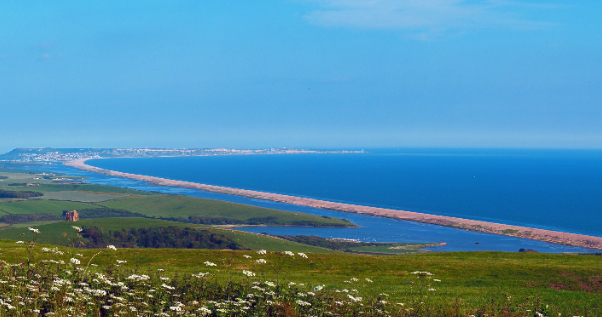

Stretching like a shimmering ribbon along the Jurassic Coast, Chesil Beach is a geological marvel that captures the imagination of all who visit. This magnificent 29-kilometer (18-mile) bank of pebbles, stretching from the Isle of Portland to the idyllic village of Burton Bradstock, stands as one of the most extraordinary features of the Dorset coastline. With its striking natural beauty and rich tapestry of history, Chesil Beach is a destination that beckons explorers and dreamers alike.
The origins of Chesil Beach are rooted deep in geological history. Formed over millennia, the beach is a natural wonder, created by the relentless forces of sea action reshaping and depositing pebbles along the coastline. Its very existence is tied to the last Ice Age, around 20,000 years ago, when glacial meltwater began forming the English Channel. Historically, Chesil Beach has served as a vital natural barrier, protecting the low-lying lands of the Fleet Lagoon. During World War II, its strategic importance was recognized, and it became a key location for military exercises and training.
Architecturally, the area around Chesil Beach reflects a blend of rustic charm and maritime heritage. The imposing presence of Portland Bill Lighthouse at the southern end of the beach is a testament to the region's nautical significance. Built in 1906, this iconic lighthouse continues to guide sailors safely along the treacherous shores. The nearby Portland Castle, constructed by King Henry VIII in 1539, offers an intriguing glimpse into England's military past with its Tudor architecture and historical exhibits.
The cultural fabric of Dorset is woven with traditions and customs that reflect its coastal heritage. Local festivals, such as the Dorset Seafood Festival, celebrate the rich bounty of the sea, featuring freshly caught fish and shellfish. Community events often showcase folk music and dance, preserving the region's vibrant past and fostering a strong sense of identity among its residents. The annual Portland Stone Festival highlights the island's quarrying history, offering visitors a chance to engage with local artisans and craftsmen.
Gastronomy in the region is a delightful reflection of its coastal surroundings. Visitors to Chesil Beach can savor traditional Dorset delicacies such as the Portland crab and Chesil oysters, celebrated for their unique flavor profiles. The local Dorset Blue Vinney cheese, with its crumbly texture and robust taste, is a must-try for cheese enthusiasts. Pair these with a pint of locally brewed Palmers Dorset Gold ale to experience the true essence of Dorset's culinary heritage.
Beyond its obvious beauty, Chesil Beach holds many lesser-known curiosities. The pebbles that make up the beach are graded in size from west to east, a natural sorting phenomenon that has fascinated geologists for years. In the past, local fishermen claimed they could navigate the coastline by the feel of pebbles beneath their boat hulls. The beach also has its share of legends, including tales of smuggling and shipwrecks, adding an air of mystery to its already captivating allure.
For those planning a visit, the best time to experience Chesil Beach is during the late spring or early autumn when the weather is mild, and the crowds are fewer. Early morning walks offer a serene atmosphere, with the sunrise casting a golden hue over the pebbles. Birdwatchers will find the area particularly rewarding, as the Fleet Lagoon is home to a diverse array of bird species, including rare migratory visitors. It's essential to wear sturdy footwear, as the pebbles can be challenging to navigate.
In conclusion, Chesil Beach is not merely a stretch of pebbles but a living, breathing tapestry of history, culture, and natural wonder. Whether you're drawn by its geological uniqueness, its historical significance, or its culinary delights, a visit to Chesil Beach promises an experience that lingers long after the sound of the waves has faded.


