
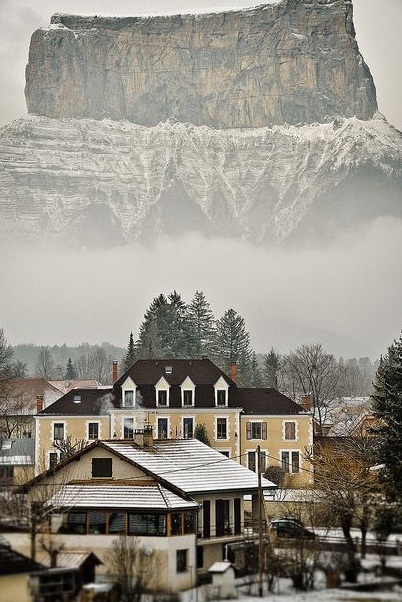

Nestled in the heart of the Rhone Alps, the quaint village of Chichilianne might seem like a mere dot on the map, but it is a treasure trove of history, culture, and natural beauty waiting to be discovered. With its stunning backdrop of the Vercors Massif, this picturesque locale offers more than just breathtaking mountain views—it is a portal to the past and a vibrant testament to local traditions.
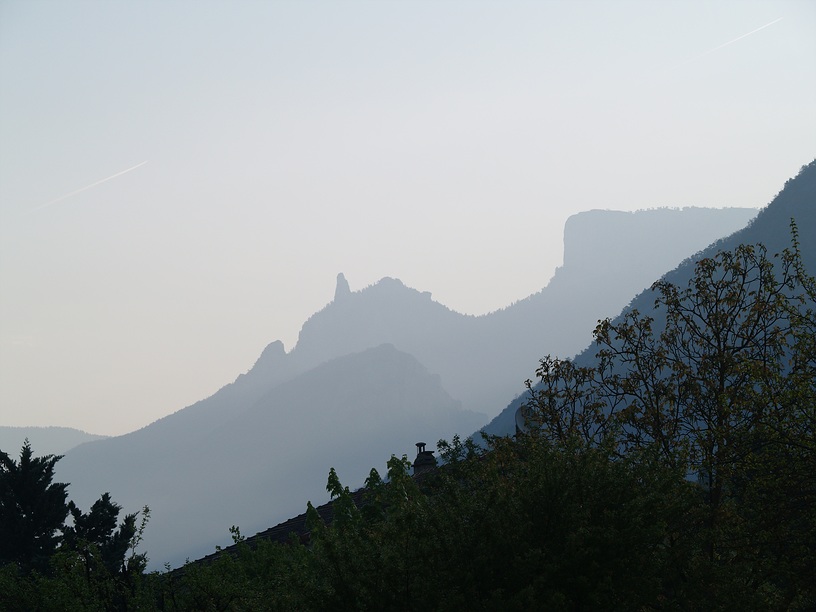
Chichilianne's roots stretch deep into history, with its origins tracing back to the Roman era. The village itself is a mosaic of time, where ancient paths and relics whisper stories of bygone days. Over the centuries, Chichilianne has witnessed the ebb and flow of historical tides, including the tumultuous times of the French Revolution, which left indelible marks on the region. The village played a role during World War II as part of the French Resistance's activities in the Vercors, a testament to its resilient spirit.
As you wander through Chichilianne, the architecture is a captivating blend of rustic charm and historical significance. The Église Saint-André, a 12th-century church, stands as a beacon of Romanesque architecture, with its sturdy stone walls and simple yet profound design. The church's interior, though modest, is home to notable artworks, including a carved wooden altarpiece that captures the eye with its intricate details.
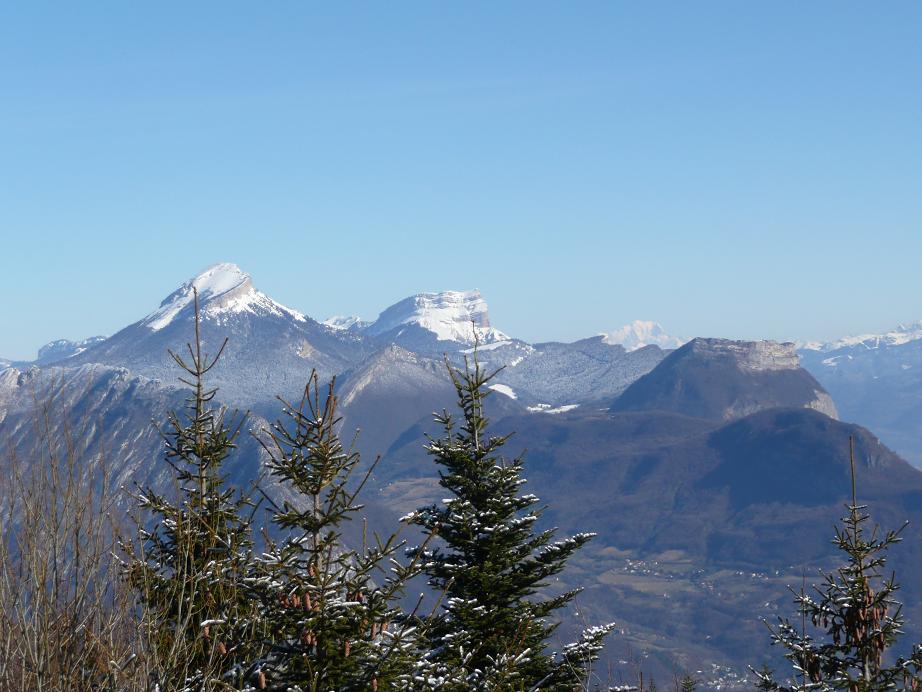
The cultural fabric of Chichilianne is woven with traditions that are both unique and enduring. The annual Fête de la Saint-Jean, held in late June, is a vibrant celebration marking the summer solstice. Villagers gather around towering bonfires, a ritual that combines pagan and Christian traditions, symbolizing purification and renewal. This festival is a perfect opportunity for visitors to immerse themselves in local customs and experience the warmth of the community.
No visit to Chichilianne would be complete without indulging in its gastronomy. The region is famous for its Dauphiné cuisine, which offers a delightful array of flavors. Savor the rich and creamy gratin dauphinois, a potato dish baked with garlic and cream, or the hearty ravioles du Royans, small pasta parcels filled with cheese and herbs. Pair these with a glass of local wine, such as the crisp and aromatic Clairette de Die, to truly capture the essence of the region's culinary heritage.
Beyond its visible charms, Chichilianne holds secrets that few travelers uncover. The Mont Aiguille, a striking limestone pillar that dominates the landscape, was first climbed in 1492, a feat considered the birth of mountaineering. Today, it remains a sought-after destination for climbers and adventurers. Another lesser-known gem is the Grotte de la Luire, a cave system used as a hospital by the Resistance during World War II, offering a poignant glimpse into the area's past.
For those planning a visit, the best time to explore Chichilianne is during the late spring and early autumn months, when the weather is typically mild and the landscape bursts into vibrant colors. Hiking enthusiasts will find a myriad of trails, such as the path leading to the Pas de l'Aiguille, providing panoramic views that are nothing short of spectacular.
When visiting, it's wise to pack layers, as mountain weather can be unpredictable. A visit to the local Office de Tourisme can offer additional insights and maps for exploring the area. Whether you're a history buff, a culture enthusiast, or simply in search of peace, Chichilianne promises an experience that is both enriching and unforgettable.
In essence, Chichilianne is more than just a picturesque village—it's a living tapestry of history and culture, woven into the breathtaking landscape of the Rhone Alps. Each cobblestone street and each local greeting invites you to discover the stories that have shaped this enchanting place.


