
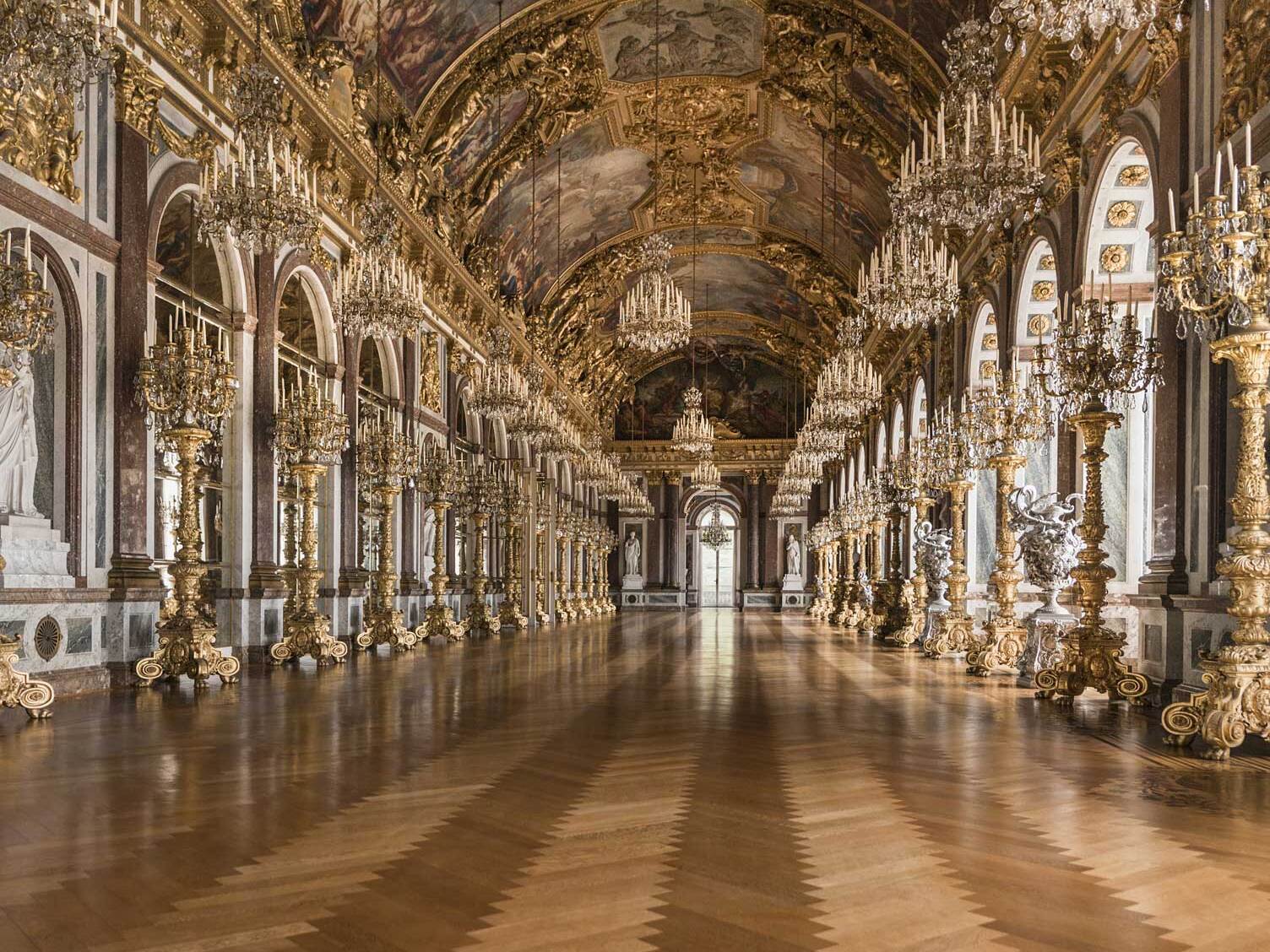

Herrenchiemsee Castle, nestled on the serene island of Herreninsel in Lake Chiemsee, is a testament to the dreamlike visions of King Ludwig II of Bavaria. This architectural marvel, inspired by the grandeur of the Palace of Versailles, offers an intriguing glimpse into the ambitions and passions of one of Germany's most enigmatic monarchs. Accessible by ferry from the quaint village of Prien, the castle's opulent halls and tranquil gardens transport visitors back to an era of royal extravagance and artistic excellence.
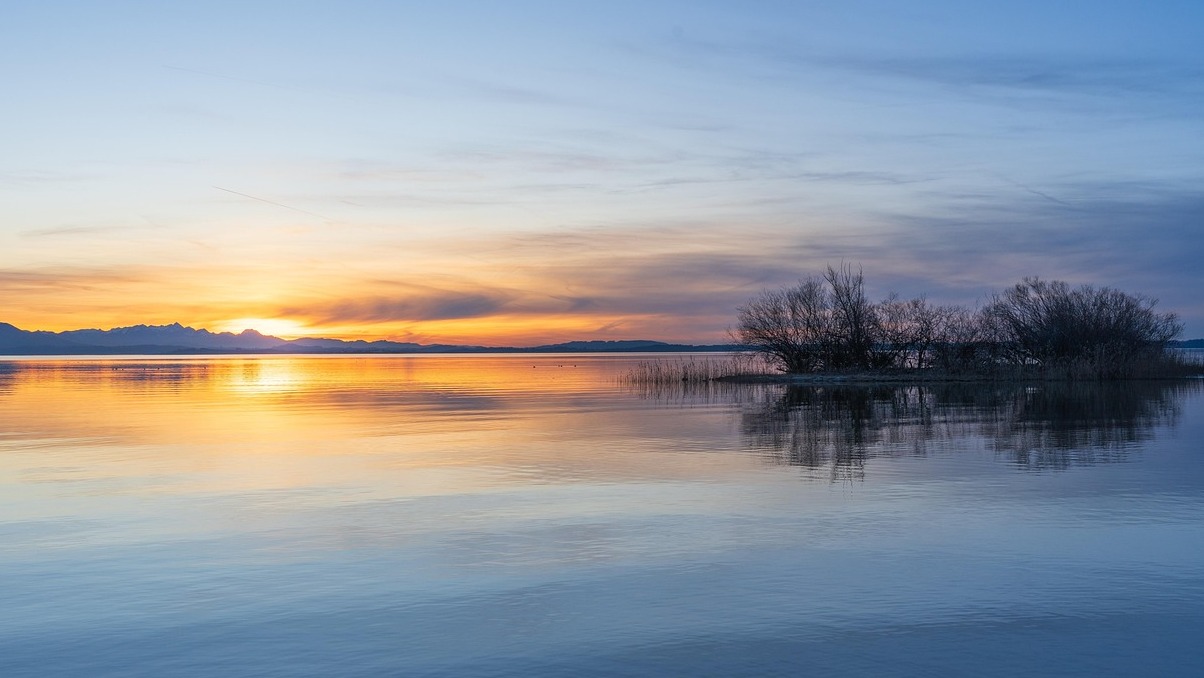
The history of Herreninsel is steeped in monastic traditions, dating back to the early Middle Ages. Originally, the island was home to a convent of Augustinian Canons, which shaped the island's identity and contributed to its moniker, the Island of Men. This contrasts with the nearby Fraueninsel, or the Island of Women, which still houses a community of Benedictine nuns. The island's ecclesiastical past laid the groundwork for a cultural landscape that would later captivate King Ludwig II.
Construction of Herrenchiemsee Castle began on 21 May 1878, driven by Ludwig's desire to recreate the splendor of Versailles. Although the visionary king's untimely death in 1886 left the project unfinished, the completed sections of the castle are masterpieces of Baroque and Rococo architecture. The Great Hall of Mirrors, an homage to its French counterpart, dazzles with intricate chandeliers and frescoes depicting mythological themes, reflecting Ludwig's fascination with divine and heroic narratives.

The artistic significance of Herrenchiemsee extends beyond its architecture. The castle houses an array of exquisite artworks, including sculptures and ornamental details that highlight the era's artistic opulence. Notably, the Ludwig II Museum within the castle provides insights into the king's life and his enduring legacy in Bavarian culture.
Culturally, Lake Chiemsee and its islands are a hub of Bavarian heritage and traditions. The region celebrates numerous festivals, including the Chiemsee Summer Festival, where music and local culture converge against the stunning lake backdrop. The islands' blend of history and natural beauty make them a focal point for regional pride and cultural preservation.
Gastronomy in the Chiemsee region is a delightful exploration of Bavarian flavors. Traditional dishes such as Weißwurst (white sausage) and Obatzda (a cheese delicacy) are staples in local eateries. The proximity to the lake ensures fresh fish dishes, particularly Renke, a local variety of whitefish, are a must-try. Pair these with a glass of Bavarian beer or a refreshing Radler, a mix of beer and lemonade, to complete the culinary experience.
Beyond its main attractions, Herrenchiemsee harbors lesser-known curiosities. A quaint detail often missed by tourists is the island's Old Palace, the former Augustinian monastery now serving as a museum, which offers a quieter, contemplative exploration of the island's rich past. Additionally, the King’s Path—a scenic trail around the island—provides breathtaking views of the lake and surrounding Alps, making it a hidden gem for nature enthusiasts.
When planning a visit, the best time to explore Herrenchiemsee is during the late spring to early autumn months when the gardens are in full bloom and the weather is ideal for ferry rides. To avoid crowds, consider visiting during weekdays or early in the morning. Be sure to allocate time for both the castle tour and a leisurely stroll around the island to fully appreciate its beauty.
For a journey tailored to your interests, use Secret World to plan a personalized AI itinerary for your visit to Chiemsee.


