


Located in the heart of Scotland, Chimney represents an interesting meeting point between history and architecture. This location, despite its simple name, holds significant historical importance related to the evolution of ventilation structures, essential for the well-being of domestic and industrial environments. Chimneys, symbols of a bygone era, are silent witnesses to how engineering and architecture have contributed to improving daily life by isolating the toxic fumes produced by stoves and fireplaces. In this article, we will explore the origins and importance of these structures, inviting readers to discover the beauty of Chimney and its architectural heritage.
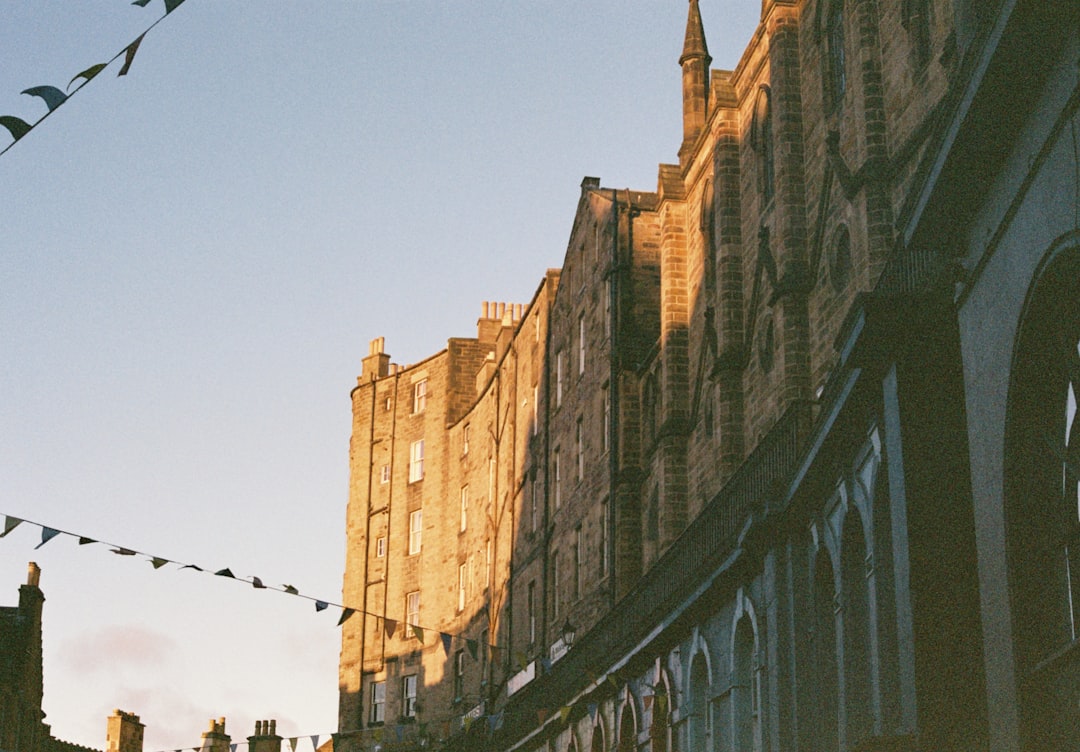
Chimney is not just a place, but a concept that encompasses centuries of technological and social evolution. The chimneys, made of masonry, clay, or metal, are designed to ensure efficient ventilation, helping to keep environments free from harmful fumes. Their presence is widespread around the world, yet each region, including Scotland, has its unique interpretation of these structures. Discovering Chimney also means immersing oneself in a historical context that has seen significant changes in resource use and energy management.
History and Origins
The origins of chimneys date back to ancient times when the first forms of domestic heating required ventilation systems to disperse smoke. In Scotland, the use of chimneys has evolved over the centuries, transitioning from simple openings in roofs to more complex structures designed to optimize airflow and enhance safety. These innovations had a significant impact on daily life, allowing families to enjoy healthier and more comfortable environments.
The construction of chimneys also played a fundamental role in industry, particularly during the industrial revolution. Large factories and furnaces required robust ventilation systems to manage the fumes produced by combustion processes. Chimney, therefore, is not just a name, but represents an important chapter in Scottish industrial history, where architecture responded to the needs of a rapidly transforming era.
Elements to Observe
Visiting Chimney, travelers can admire a variety of historical chimneys, each with its own story and architectural style. These structures, often tall and slender, are designed to promote the proper flow of fumes, and their presence is a visual reminder of past engineering. Observing the chimneys up close, one can notice unique architectural details that vary depending on the function and period of construction.
Moreover, the surrounding landscape offers a fascinating context for these structures. The natural beauty of Scotland, with its green hills and often dramatic skies, creates a striking contrast with the chimneys, which stand majestically against the backdrop. This combination of nature and architecture makes Chimney an ideal place for photography and history enthusiasts, offering opportunities to capture memorable images.
Why It Is Interesting Today
Today, Chimney represents an important testament to Scotland's industrial and architectural heritage. The growing awareness of the importance of sustainability has brought attention back to chimneys, not only as historical elements but also as symbols of innovation and progress. Their design, aimed at reducing environmental impact, is a highly relevant topic that invites reflection on how we can learn from the past to tackle future challenges.
Furthermore, the charm of Chimney also lies in its ability to attract visitors interested in exploring Scottish history and culture. The chimneys are not just functional structures, but represent a connection to local traditions and the evolution of daily life. For those wishing to deepen this experience, the Secret World app offers detailed information and useful tips for exploring this fascinating corner of Scotland.


