



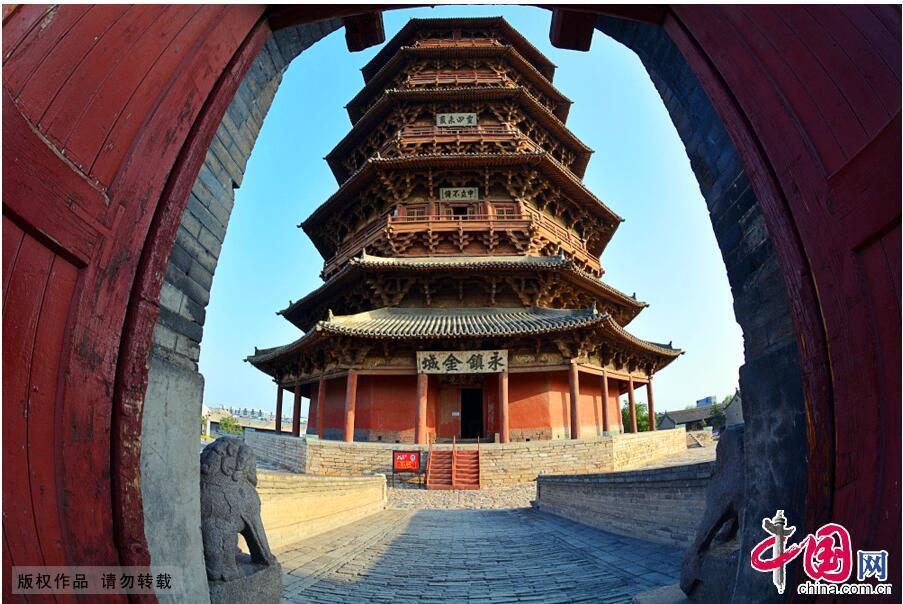
Nestled in Yingxian County, around 70 kilometers south of Datong, the Wooden Pagoda stands as a testament to ancient craftsmanship and architectural brilliance. Known as the 'First Pagoda in the World', this remarkable structure dates back to the Liao Dynasty, around 1056 AD, and boasts an impressive height of 67 meters. It has been recognized as the oldest and tallest wooden structure in China, earning its place among the country’s treasured Cultural Relics Protection Units.
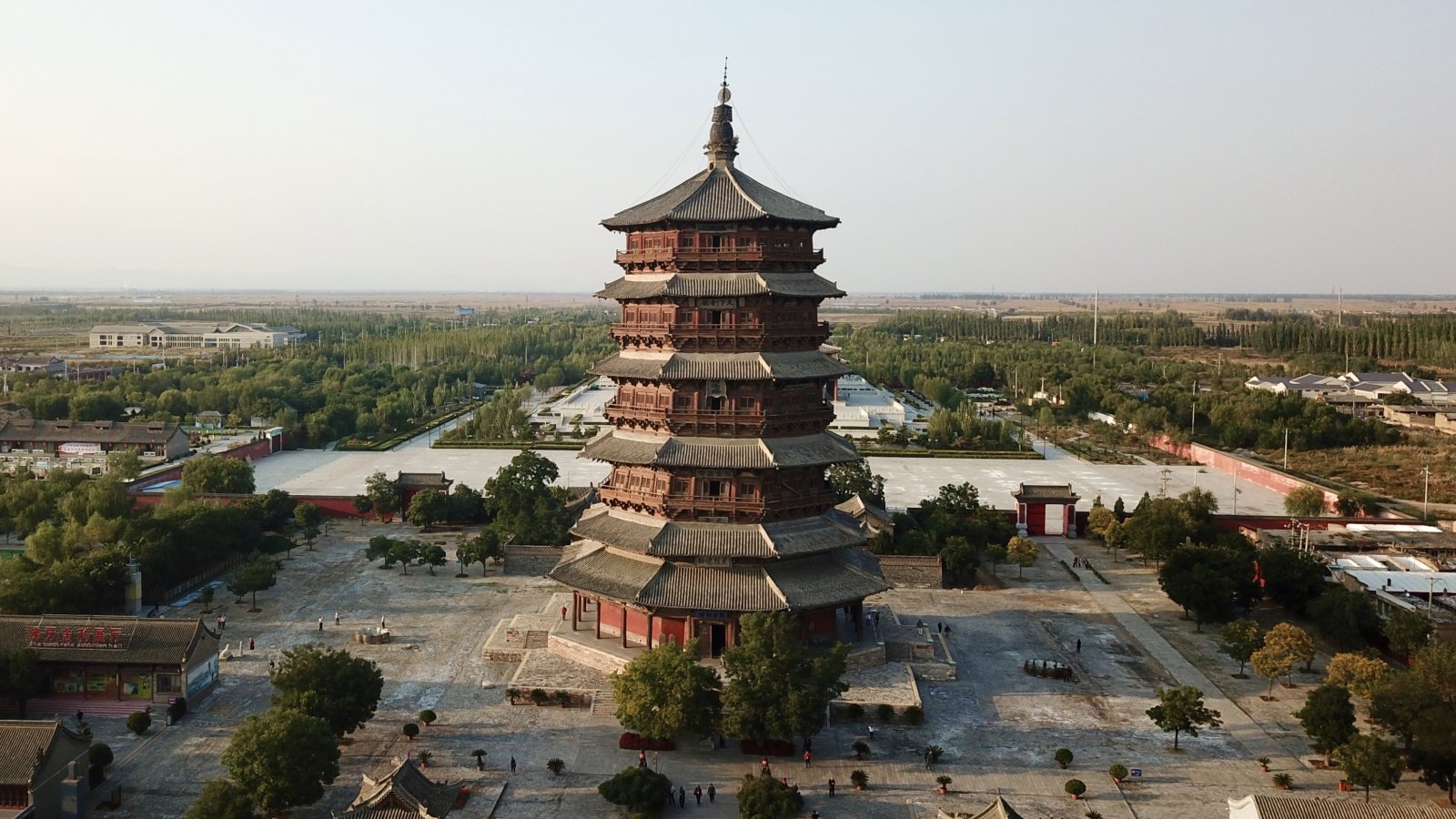
The pagoda's intriguing history begins over 900 years ago, during a time when the Liao Dynasty was flourishing. Built under the reign of Emperor Shizong, the pagoda served not only as a religious monument but also as a symbol of the dynasty's architectural innovation. Over the centuries, it has withstood the test of time, surviving various natural disasters and human interventions, including wars. It is said that Kublai Khan, the famous Mongolian emperor, once visited the pagoda, marveling at its grandeur.
Architecturally, the Wooden Pagoda is a masterpiece of Chinese wooden architecture. It is composed of 54 different kinds of brackets, ingeniously designed to distribute weight and withstand the elements. Although it appears to be a five-storey structure, it actually has nine stories, with four hidden within its framework. This unique feature, combined with the absence of nails or rivets—only tenons and mortises were used—exemplifies the extraordinary skill of ancient artisans. The pagoda is adorned with intricate carvings and decorative elements, showcasing the artistic flair of the era.

Local culture thrives in the shadow of this architectural wonder. The people of Shuozhou celebrate various festivals that pay homage to their rich heritage. One notable event is the Buddhist Lantern Festival, where visitors can witness colorful lantern displays and traditional performances. The pagoda serves as a focal point during these festivities, drawing both locals and tourists alike to participate in the celebrations. Traditional customs, such as tea ceremonies and calligraphy exhibitions, are also prevalent in the area, offering visitors a glimpse into the local way of life.
No visit to Shuozhou would be complete without indulging in its delectable gastronomy. The region is famous for its Shuozhou-style noodles, which are hand-pulled and served in savory broth with a variety of toppings. Another local delicacy is Yingxian roasted duck, known for its crispy skin and succulent meat. Pair these dishes with a glass of locally brewed Huangjiu, a type of Chinese rice wine, for a truly authentic dining experience.
For the adventurous traveler, there are lesser-known curiosities surrounding the Wooden Pagoda that may surprise even the most seasoned visitor. One such fact is that the pagoda's structure is so well-engineered that it has survived multiple earthquakes, including one as recently as 2008, which devastated parts of Sichuan Province. Additionally, the pagoda is rumored to house ancient relics, including sacred Buddhist scriptures, although access to these artifacts is often restricted.
To make the most of your visit, plan your trip during the spring or autumn months when the weather is mild and the surrounding landscape is adorned with vibrant colors. Arriving early in the day allows for a quieter experience, giving you the chance to fully appreciate the beauty of the pagoda and its surroundings. Don’t forget to bring your camera; the pagoda is particularly photogenic during sunrise and sunset.
As you explore this stunning architectural feat, take a moment to reflect on the centuries of history it represents. The Wooden Pagoda is not just a monument; it's a living piece of history that continues to inspire awe and admiration.
For a personalized itinerary to explore Shuozhou and its remarkable sites, consider using the Secret World app to enhance your travel experience.
