



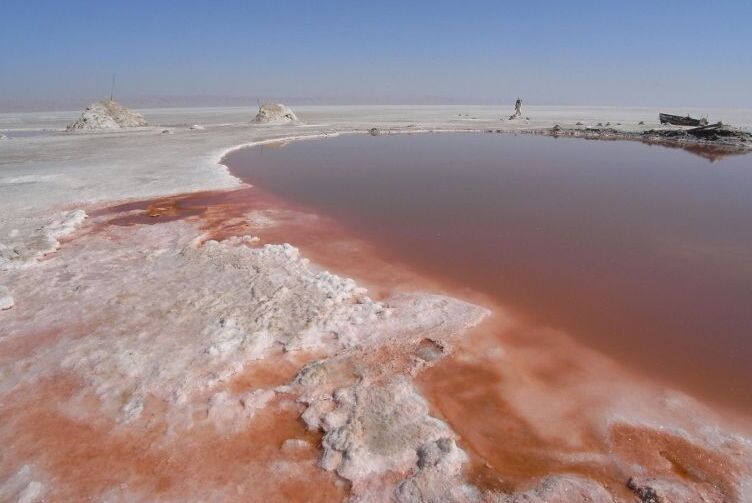
Nestled within the arid embrace of southern Tunisia, Chott el-Jerid emerges as a surreal spectacle where earth and sky meld into an endless horizon. This vast salt lake, the largest in North Africa, sprawls across approximately 5,000 square kilometers, offering a unique tableau that shifts with the rhythm of the seasons.
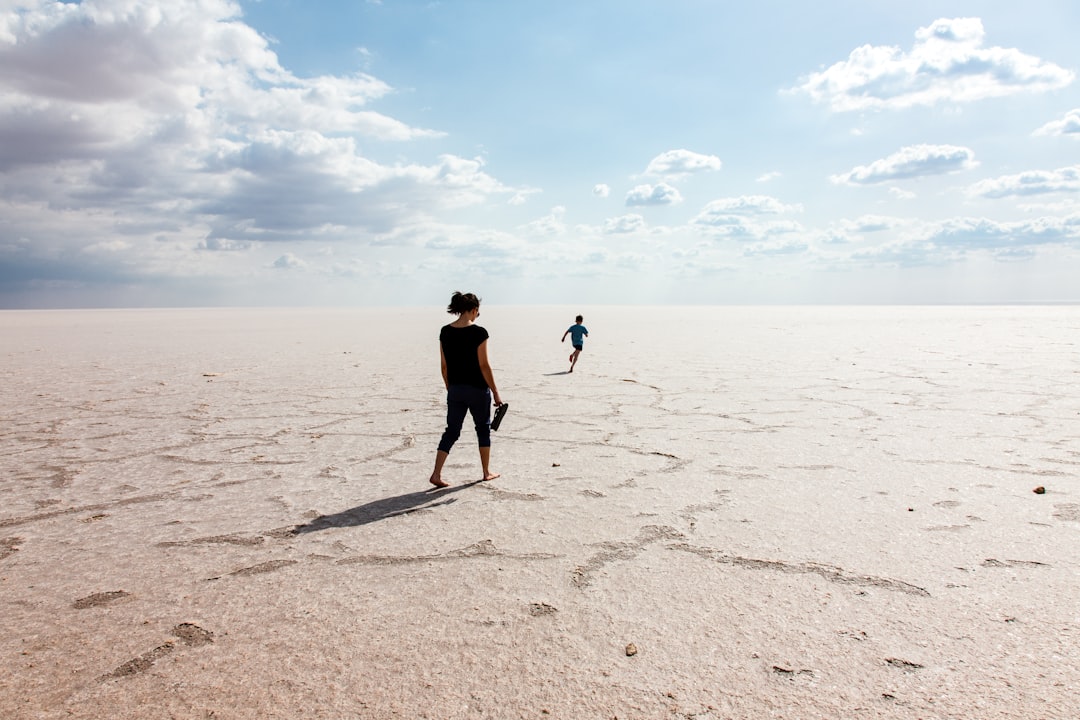
History and Origins The origins of Chott el-Jerid date back to ancient times when this region was a pivotal corridor for trade caravans traversing the Sahara Desert. Known to the Romans as 'Lacus Tritonis', it was believed to be a mystical place. The lake's name itself, 'Chott', derives from an Arabic word meaning 'coast', reflecting its historical significance as a boundary between land and desert. Over the centuries, it has been both a lifeline and a barrier, shaping the cultures and histories of those who live nearby.
Art and Architecture While Chott el-Jerid is a natural wonder rather than a hub of architectural feats, its ethereal beauty has inspired countless artists and filmmakers. The lake's otherworldly landscape served as a backdrop for the iconic film 'Star Wars: Episode IV - A New Hope', where it doubled as the desert planet Tatooine. This cinematic connection has turned the area into a pilgrimage site for fans, blending pop culture with natural artistry.
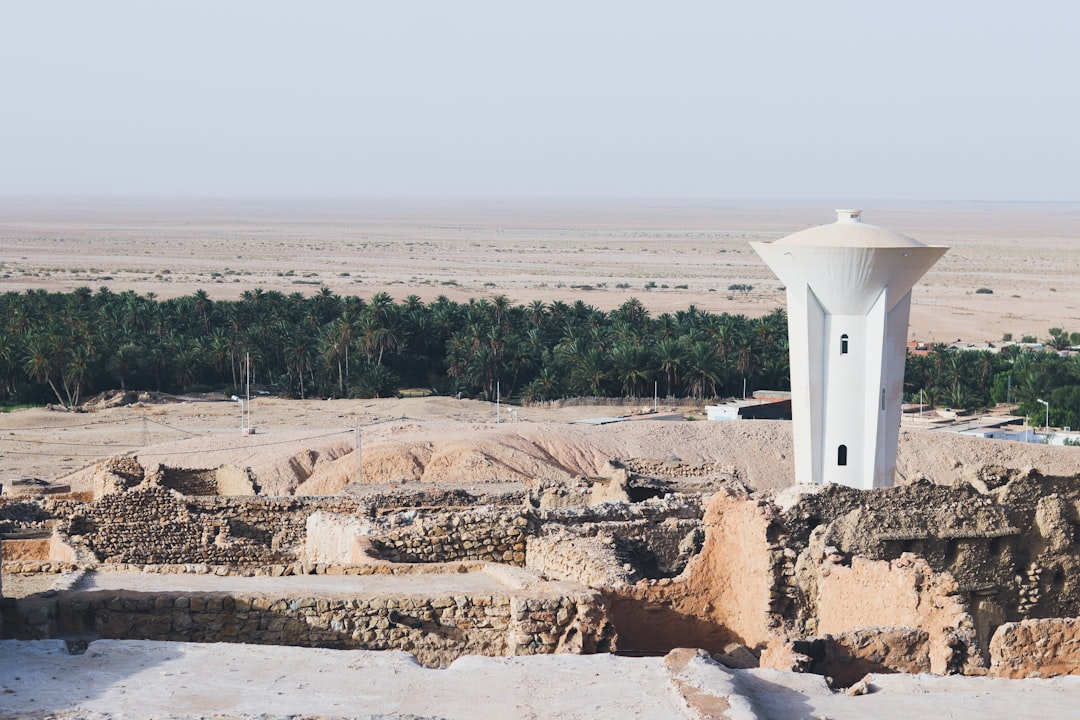
Local Culture and Traditions The communities around Chott el-Jerid maintain rich traditions that reflect their Saharan roots. The annual Douz Festival, held in the nearby town of Douz, celebrates Bedouin culture with camel races, traditional music, and dance. This festival is a vivid display of the resilience and vibrancy of a culture that has thrived in the harsh desert environment for centuries.
Gastronomy The culinary offerings around Chott el-Jerid are a testament to the region's nomadic heritage. Visitors can savor dishes like 'brik', a crispy pastry filled with egg and tuna, or 'couscous', the staple grain steamed with vegetables and lamb. The local date palms produce some of the finest dates, such as the prized 'Deglet Noor', often referred to as the 'queen of dates'.
Lesser-known Curiosities One intriguing aspect of Chott el-Jerid is its mirages. Due to the intense heat, optical illusions are common, with shimmering images of water and distant landscapes appearing on the horizon. Another curious feature is the presence of Rose de Sable, or desert roses—formations of crystallized gypsum that resemble flowers and are sought after by collectors.
Practical Visitor Information The best time to visit Chott el-Jerid is between November and March, when temperatures are milder and the lake's landscape is most accessible. Travelers should bring water, sun protection, and a camera to capture the stunning vistas. As the lake's surface varies dramatically with rainfall and evaporation, each visit offers a unique experience.
To craft a personalized itinerary and explore this enchanting landscape further, consider using the Secret World app.
