
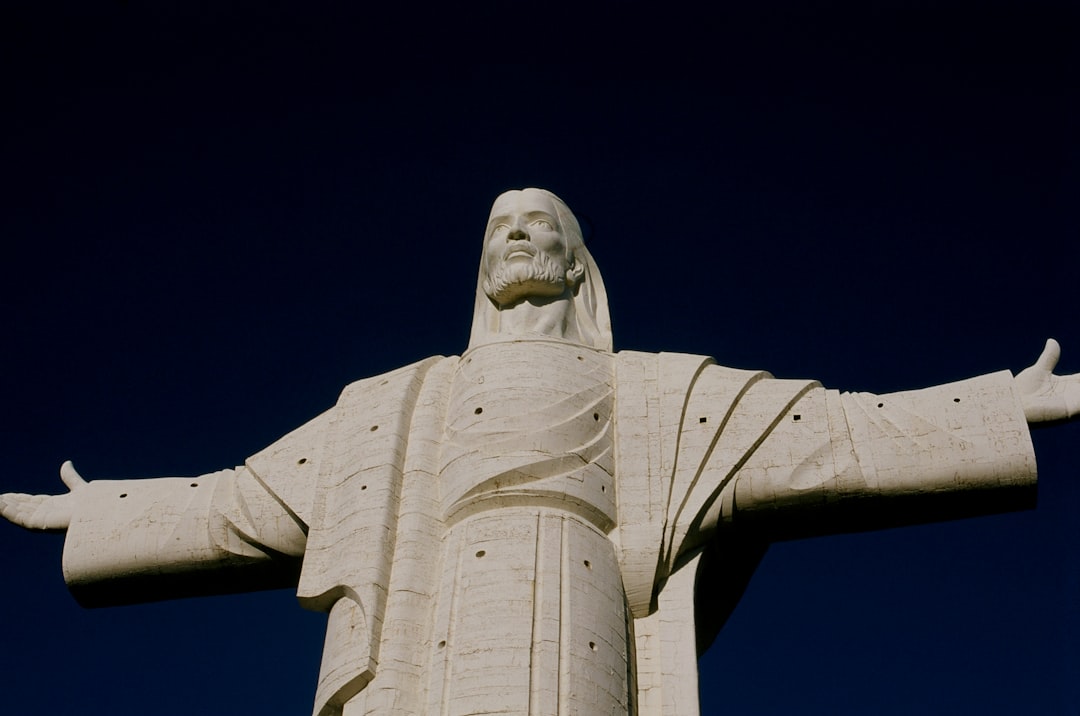

Set in the heart of Bolivia, the Christ of the Concord rises majestically on San Pedro Hill, east of the city of Cochabamba. This colossal statue of Jesus Christ, reaching a total height of almost 40 meters, is a symbol of peace and unity for the Bolivian people. Its imposing presence not only dominates the urban landscape but also offers breathtaking panoramic views of the surrounding valley, attracting visitors from around the world.
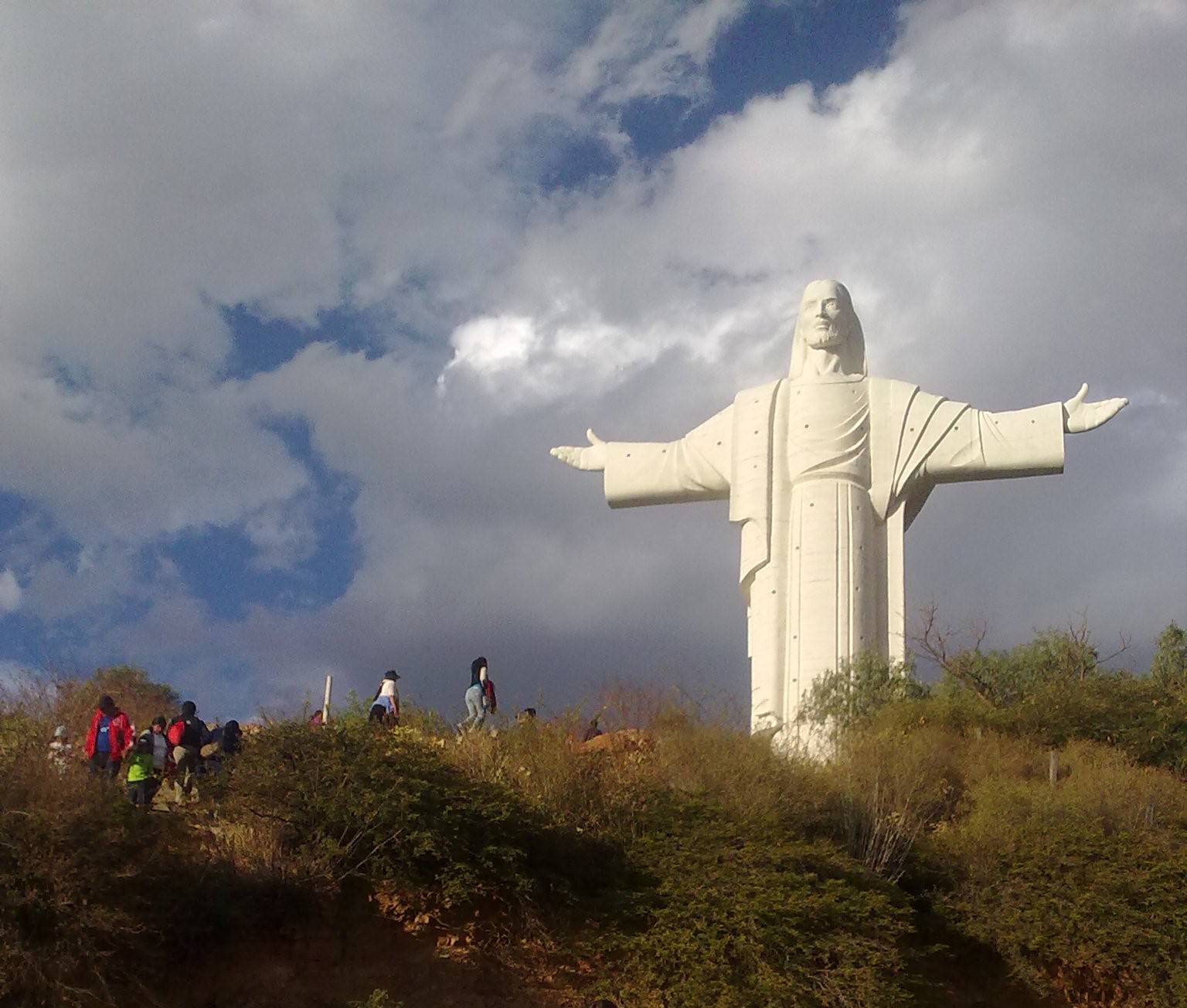
Inaugurated in 1994, the Christ of the Concord was designed by brothers César and Wálter Terrazas Pardo, inspired by the famous statue of Christ the Redeemer in Rio de Janeiro. With a structure weighing about 2,200 tons, it represents the largest statue of Jesus in the world, surpassing its carioca model. The construction of this monument was a significant undertaking, requiring years of work and dedication, culminating in a realization that is now considered a national heritage.
History and Origins
The history of the Christ of the Concord begins in 1987 when its construction was initiated with the intent of offering a symbol of hope and harmony. The choice of San Pedro Hill as the site for the statue is not random: this elevated position, over 2,800 meters above sea level, allows the monument to be visible from various points in the city, serving as a spiritual beacon for the community. The statue was completed in 1994, and since then it has become a pilgrimage site and an internationally significant tourist attraction.
The realization of the Christ of the Concord involved numerous artisans and local workers, which contributed to a strong sense of belonging and pride among the inhabitants of Cochabamba. The monument was inaugurated with a solemn ceremony attended by thousands of people, highlighting the cultural and religious importance of this work. Today, it is recognized as a national monument of Bolivia, a symbol of faith and social cohesion.
Features to Observe
One of the most fascinating features of the Christ of the Concord is its size: the statue stands 33.44 meters tall, with a pedestal of 6.24 meters, for a total of 39.68 meters. The arms of the statue extend nearly 33 meters, creating an embrace that seems to welcome all visitors. Inside the statue, there is an observation area that offers a spectacular panoramic view of the city and the surrounding mountains, making the ascent an unforgettable experience.
The statue is made of reinforced concrete and covered with white tiles that reflect sunlight, creating an extraordinary visual effect, especially at dawn and sunset. Additionally, the path to reach the statue, consisting of 1,399 steps, is an additional attraction for visitors, who can challenge themselves on a hike that culminates in breathtaking views. The possibility of ascending only on Sundays adds an element of exclusivity, making each visit a special event.
Why It Is Interesting Today
The Christ of the Concord is not just a monument, but a symbol of unity and hope for the Bolivian population, especially in times of social and political challenges. Its constant presence reminds us of the importance of community and solidarity. Every year, thousands of pilgrims and tourists visit the site, making it a landmark that is not only religious but also cultural, where stories of life and faith intertwine.
In an increasingly connected world, the Christ of the Concord represents an invitation to reflection and contemplation, a place where one can pause and appreciate the beauty of life. The statue has become a meeting place for people from all backgrounds, creating an atmosphere of welcome and dialogue. Its importance transcends religious boundaries, transforming it into a symbol of peace in an era of divisions.
Practical Information for Visitors
For those wishing to visit the Christ of the Concord, there are several access options. You can reach the top either by a cable car that offers a panoramic experience or by tackling the challenge of the steps. The hike is particularly recommended for those who love trekking and want to fully enjoy the surrounding landscape. However, it is important to plan your visit according to opening hours, as access to the interior of the statue is only allowed on Sundays.
Additionally, it is advisable to wear comfortable shoes and bring water and sunscreen, as the climate in Cochabamba can be hot and sunny. Finally, for those who wish to deepen their experience, the Secret World app offers detailed information and practical tips to make every visit unique and memorable.


