


Towering above the vibrant cityscape of Rio de Janeiro, the iconic Christ the Redeemer statue stands as a symbol of peace, faith, and artistic grandeur. This monumental work of art, perched atop the Corcovado Mountain, is not just a testament to religious devotion but also a marvel of human ingenuity and international collaboration.

The statue's history is as fascinating as its commanding presence. The idea for a religious monument on Corcovado began in the mid-19th century, proposed by Pedro Maria Boss, a Catholic priest. However, it wasn't until the 1920s that the concept gained momentum. With Brazil's centennial of independence approaching, the Catholic Circle of Rio launched a campaign to finance the construction. In 1922, the cornerstone was laid, but the actual construction began in 1926. Paul Landowski, a Polish-French sculptor, was commissioned to create the statue, while Brazilian engineer Heitor da Silva Costa oversaw the project. Completed in 1931, the statue has since become an emblem of Brazilian Christianity, attracting millions of visitors each year.
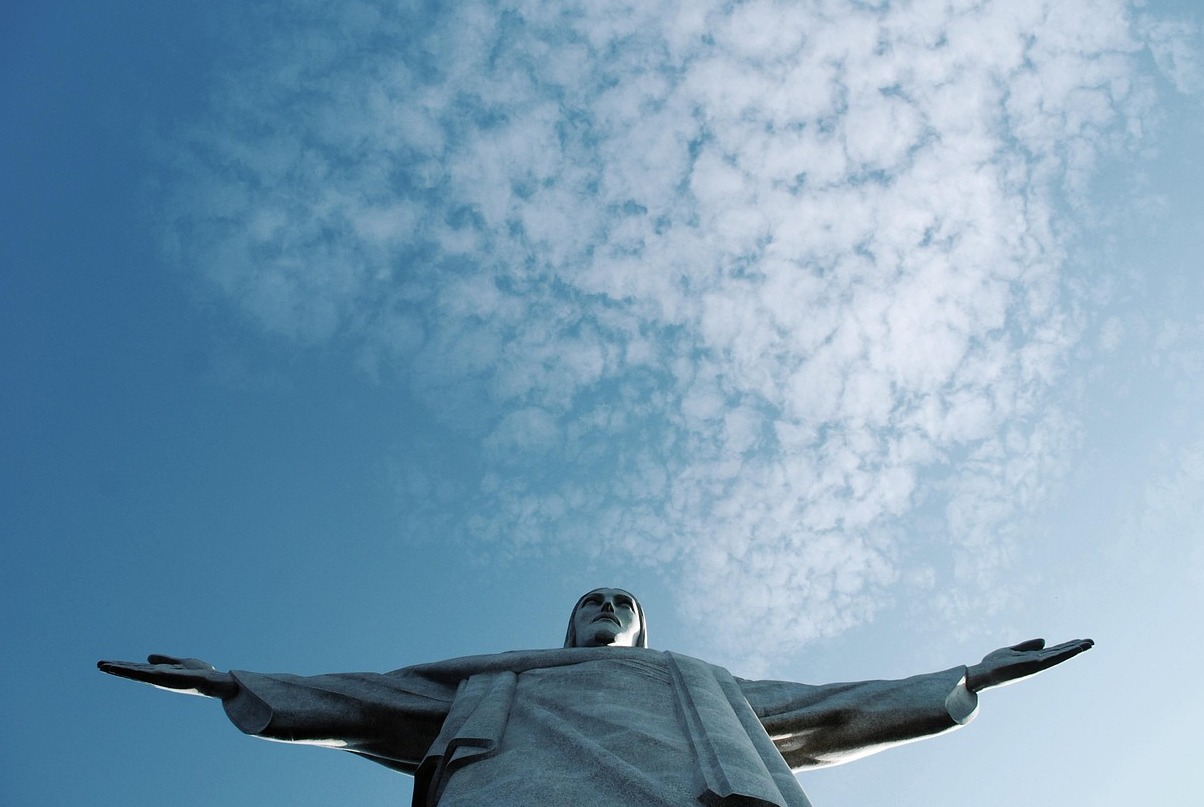
Architecturally, Christ the Redeemer is an Art Deco masterpiece, a style characterized by its geometric shapes and streamlined forms. Standing 30 meters tall, with an additional 8-meter pedestal, the statue's outstretched arms span 28 meters. Crafted from reinforced concrete and clad in thousands of triangular soapstone tiles, its surface gleams under the Brazilian sun. The choice of soapstone was as much about aesthetics as practicality; it is durable and offers a smooth finish that adds to the statue's serene expression. The statue's face, created by Romanian sculptor Gheorghe Leonida, captures a gentle, benevolent visage that watches over the city.
Beyond its artistic and religious significance, Christ the Redeemer is deeply woven into the fabric of Carioca culture. The statue is a focal point during religious festivals, particularly during Holy Week and the Feast of Corpus Christi, when pilgrims ascend the mountain in reverence. The site also plays a crucial role during World Youth Day, attracting thousands of young Catholics from around the globe.
While visiting, immerse yourself in the local gastronomy that mirrors the city's diversity and vibrancy. Indulge in feijoada, a hearty black bean stew with pork, traditionally served on Saturdays in Rio. Pair it with a refreshing caipirinha, Brazil's national cocktail made with cachaça, lime, and sugar. For a sweet treat, the brigadeiro, a chocolate truffle, is a must-try, embodying the simple yet rich flavors of Brazilian desserts.
Among the lesser-known aspects of Christ the Redeemer is its role as a symbol of peace during the tumultuous mid-20th century. During World War II, the statue remained illuminated as a beacon of hope when the rest of the city was blacked out to avoid air raids. Additionally, few realize that the statue is struck by lightning a few times each year due to its height and location. In 2014, a lightning strike damaged a fingertip, sparking a restoration effort that highlighted the community's dedication to preserving this cultural treasure.
For those planning to visit, the best time to experience Christ the Redeemer is during the early morning or late afternoon, when the sun casts a golden hue over the city and the crowds are thinner. The ascent to Corcovado can be made via the Trem do Corcovado, a scenic train ride through the lush Tijuca Forest National Park, or by road and a series of elevators and escalators. Once at the summit, take a moment to absorb the panoramic views of Guanabara Bay, Sugarloaf Mountain, and the bustling neighborhoods below.
As you stand beneath the outstretched arms of Christ the Redeemer, you're not just witnessing a statue but engaging with a living piece of history, art, and culture. It is a place where the spiritual, the artistic, and the communal converge, offering a profound sense of connection to the heart of Brazil.


