
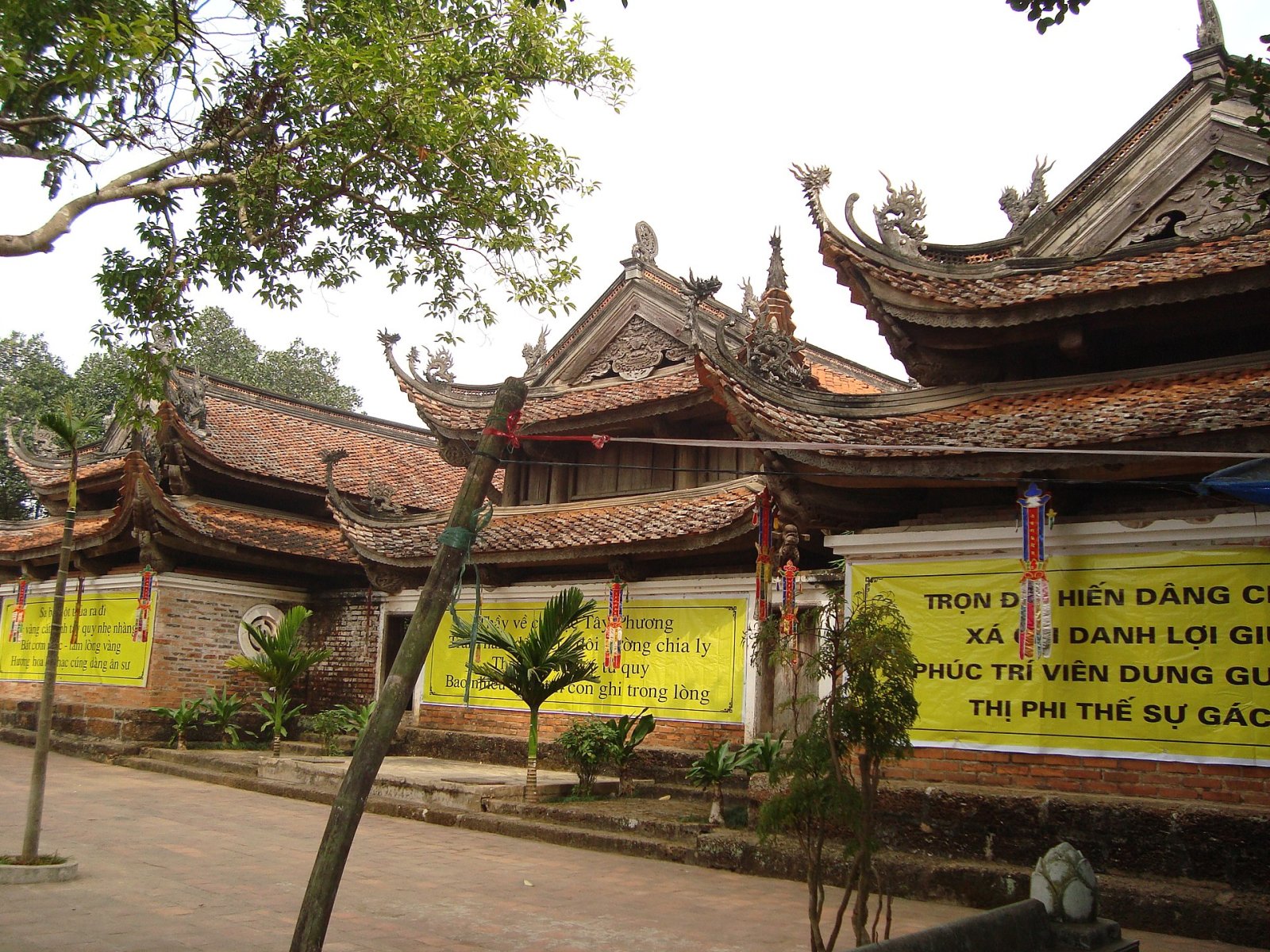

In the heart of Vietnam, just a few kilometers from Hanoi, stands the magnificent Chùa Tây Phương, a Buddhist temple that embodies the spirituality and culture of the country. This sacred place, located in the Son Tay region, is an extraordinary example of religious architecture dating back to the 1700s and represents an important site of Vietnamese heritage, recognized as a Special National Site.
The pagoda is immersed in a context of extraordinary natural beauty, surrounded by hills and lush vegetation, which contributes to creating an atmosphere of peace and contemplation. Every year, numerous visitors come to Chùa Tây Phương not only to admire its structure but also to immerse themselves in the local culture and traditions.
Historical and Cultural Context
Chùa Tây Phương is a symbol of Vietnam's religious history, witnessing the evolution of Buddhism in the country. The pagoda was built during a time when the influence of Buddhism was growing, and it serves as a landmark for practitioners and scholars. Its architecture reflects the unique characteristics of Vietnamese Buddhism, with elements that recall both local traditions and external influences.
In addition to its religious significance, Chùa Tây Phương is also a place of great artistic value. The statues and sculptures within the pagoda are works of art that tell stories of devotion and spirituality, making the temple an inspiring place for artists and visitors alike. The rich history of this site invites exploration of Vietnam's cultural roots and a better understanding of its traditions.
What Impresses About the Place
One of the most fascinating aspects of Chùa Tây Phương is its distinctive architecture. The pagoda is built on a hill, offering breathtaking panoramic views of the surrounding countryside. The stairs leading to the temple are framed by statues of deities and Buddhist symbols, creating a sacred path that leads visitors toward enlightenment. Every corner of the pagoda is rich in details and ornaments, telling stories of faith and tradition.
Moreover, the atmosphere inside the pagoda is unique. The sounds of nature, combined with the chanting of monks and the scent of incense, create an environment for meditation and reflection. Visitors are often struck by the serenity of the place, which invites a pause from the hustle and bustle of daily life. Chùa Tây Phương is not just a place to see, but an experience to live.
Visiting Experience
Visiting Chùa Tây Phương is an experience that engages all the senses. Upon entering, visitors are greeted by a serene landscape, where the green of the plants blends with the blue of the sky. The ascent to the pagoda is a moment of introspection, as one walks up the stairs adorned with statues that tell the story of Buddhism. Once at the top, the panoramic view is a reward that makes every effort worthwhile.
Inside, the silence is only interrupted by the chants of the monks and the sound of burning incense. The spaces are designed to encourage meditation and contemplation, making each visit an opportunity to connect with the spirituality of the place. Visitors can participate in religious ceremonies, experiencing a moment of authentic connection with Vietnamese culture.
Practical Information for Visitors
To reach Chùa Tây Phương, it is advisable to use public transport or rent a scooter, given its strategic location near Hanoi. Entrance is free, but it is important to respect the behavioral norms within the temple, dressing appropriately and maintaining a respectful attitude. The pagoda is open year-round, but peak times are during religious holidays when special ceremonies take place.
Finally, for those who wish to deepen their experience, the Secret World app offers detailed information and tips on how to best explore this extraordinary cultural site, making the visit even more enriching.


