
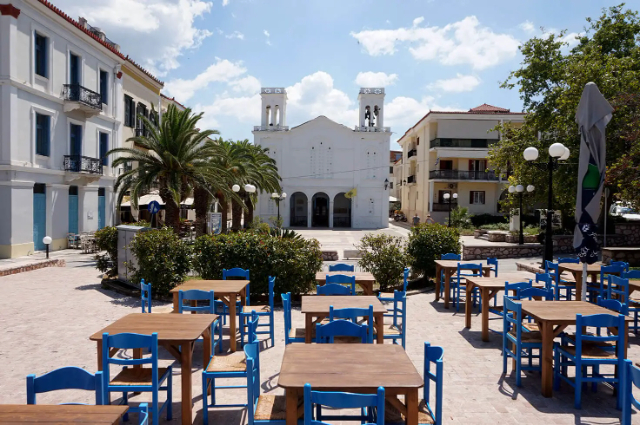

The Church of Agios Spyridon in Nafplio, Greece, is not just another religious building; it's a structure steeped in history, mystery, and significant cultural artifacts. This Orthodox church, dating back to the 18th century, is named after Saint Spyridon, a revered saint known for his miracle-working abilities. While the church serves its primary function as a place of worship, it also doubles as a repository of intriguing relics and stories.
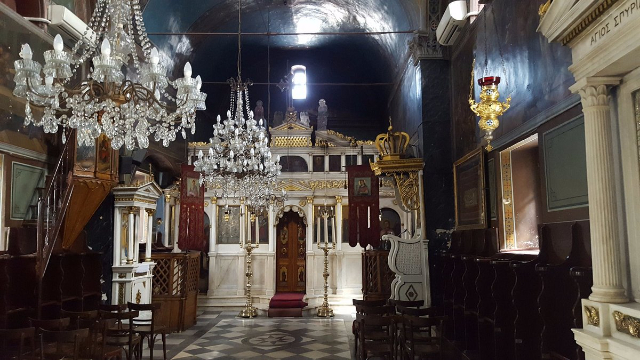
One of the most unsettling yet fascinating features of the church is its preservation of human organs. While the exact origins and purpose of these organs are shrouded in mystery, they add an air of intrigue and sanctity to the church, attracting those interested in the mystical and the historical alike.
The church is also unique for its unusual hexagrams featured in the architectural and decorative elements. Hexagrams are generally not common in Christian religious buildings, and their presence here prompts questions about the historical and spiritual influences that may have been at play when the church was constructed.
However, what most visitors find shocking is the church's role as a silent witness to a political assassination. Ioannis Capodistrias, the first Governor of Greece after the War of Independence, was assassinated right at the entrance of this church in 1831. The bullet holes and scars from the tragic event have been preserved, serving as a grim reminder of the political turbulence that once engulfed the nation.
The Church of Agios Spyridon is not just a stop on a sightseeing tour but a multi-layered historical site that begs for a deeper look. Every corner of this building has a tale to tell, be it religious, mystical, or political. A visit to this church offers not just a spiritual experience but also a journey through some of the most compelling and unsettling chapters of Greek history.


