
← Back

Church of Sant'Anna dei Lombardi

Piazza Monteoliveto, 4, 80134 Napoli NA, Italia ★★★★☆ 214 views
Liana Morra
Napoli
🏆 AI Trip Planner 2026

Get the free app

Discover the best of Napoli with Secret World — the AI trip planner with 1M+ destinations. Get personalized itineraries, hidden gems and local tips. Free on iOS & Android.

🧠 AI Itineraries 🎒 Trip Toolkit 🎮 KnowWhere Game 🎧 Audio Guides 📹 Videos
Download on the App Store Get it on Google Play
Scan to download Scan to download

Religious places · Napoli

Church of Sant'Anna dei Lombardi - Napoli | Secret World Trip Planner

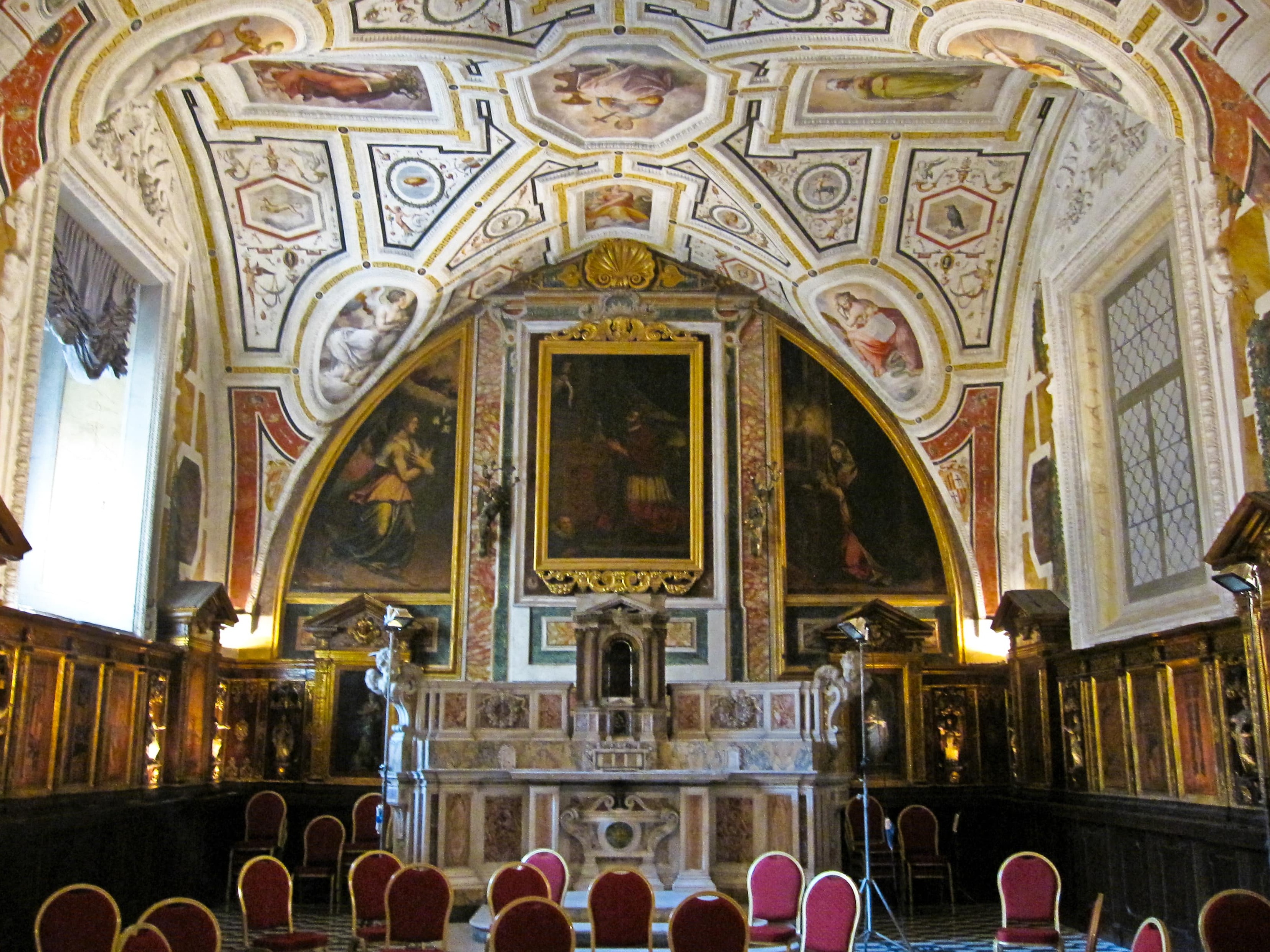
The church of Sant'Anna dei Lombardi is a monumental church in Naples located in Piazza Monteoliveto. The works inside by Giuliano and Benedetto da Maiano, Antonio Rossellino and Giorgio Vasari make the church one of the most important examples of the Tuscan Renaissance in Naples. The church was founded in 1411 by Gurello Origlia, prothonotary of King Ladislaus of Durazzo, who sponsored the construction of a small church called Santa Maria di Monteoliveto, entrusted to the Olivetan fathers. The building was radically enlarged by Alfonso I of Naples and soon became a favourite of the Aragonese court. The church bears witness to the close ties between the city and Tuscany, demonstrating that even at that time a dense Florentine "colony" of merchants, artisans and bankers had settled in Naples. It is no coincidence that the negotiations between Antonio Piccolomini and the sculptors Antonio Rossellino and Benedetto da Maiano on the construction and decoration of the chapel of the same name in the church were carried out by the Strozzi family, who had a branch of their bank in Naples through which they made payments to the artists.The Church of Sant'Anna dei Lombardi has a typically Florentine plan, along which five side chapels are aligned, plus another three in the presbytery. In the 17th century the church was rebuilt by Gaetano Sacco, while in 1798 Ferdinand I of the Two Sicilies ordered the removal of the Olivetans. So the archconfraternity of Lombardi, at the time in another church that had recently become unfit for use because of the collapse of the ceiling, dedicated to St. Anne and located nearby, in the street of the same name between the Ventapane palace and the Carafa di Maddaloni palace, took the opportunity to move to the church of Monteoliveto, which then changed its name in 1801, taking the name of St. Anne of Lombardi.

Church of Sant'Anna dei Lombardi - Napoli | Secret World Trip Planner
🗺 AI Trip Planner

Plan your visit to Napoli

Suggested itinerary near Church of Sant'Anna dei Lombardi

MAJ+
500.000+ travelers worldwide
  1. 🌅
    Morning
    Church of Sant'Anna dei Lombardi
    📍 Napoli
  2. ☀️
    Afternoon
    Fountain of Monteoliveto
    📍 0.1 km · Napoli
  3. 🌆
    Evening
    Naples: The dish Scarole e fagioli
    📍 0.1 km · Napoli

Buy Unique Travel Experiences

Powered by Viator

See more on Viator.com

Explore nearby · Napoli

Frequently Asked Questions

The church is located in Piazza Monteoliveto in Naples. It's situated in a historic area of the city that reflects the strong cultural and commercial ties between Naples and Tuscany during the Renaissance period.
The church features important works by renowned Tuscan Renaissance masters including Giuliano and Benedetto da Maiano, Antonio Rossellino, and Giorgio Vasari. These artworks make it one of the most significant examples of Tuscan Renaissance art in Naples, showcasing the influence of Florentine artists who worked there.
The church was originally founded in 1411 as Santa Maria di Monteoliveto by Gurello Origlia, prothonotary of King Ladislaus of Durazzo. It changed its name to Sant'Anna dei Lombardi in 1801 when the archconfraternity of Lombardi relocated there from another church that had suffered structural damage.
The church documents Naples' close historical ties with Tuscany and the presence of a significant Florentine colony of merchants, artisans, and bankers. Notable families like the Strozzi, who had a banking branch in Naples, were instrumental in commissioning and funding the church's decoration and chapels.
The church has a typically Florentine architectural plan with five side chapels aligned along its length, plus three additional chapels in the presbytery. It was enlarged by Alfonso I of Naples and later rebuilt in the 17th century by Gaetano Sacco, becoming a favorite of the Aragonese court.
