
← Back

Church of Santa Maria delle Scale

Discesa Santa Maria, 97100 Ragusa RG, Italia ★★★★☆ 167 views
Elena Kapoor
Ragusa
🏆 AI Trip Planner 2026

Get the free app

Discover the best of Ragusa with Secret World — the AI trip planner with 1M+ destinations. Get personalized itineraries, hidden gems and local tips. Free on iOS & Android.

🧠 AI Itineraries 🎒 Trip Toolkit 🎮 KnowWhere Game 🎧 Audio Guides 📹 Videos
Scan to download iOS / Android
Scan for AppGallery Huawei users

About Church of Santa Maria delle Scale

Church of Santa Maria delle Scale - Ragusa | Secret World Trip Planner

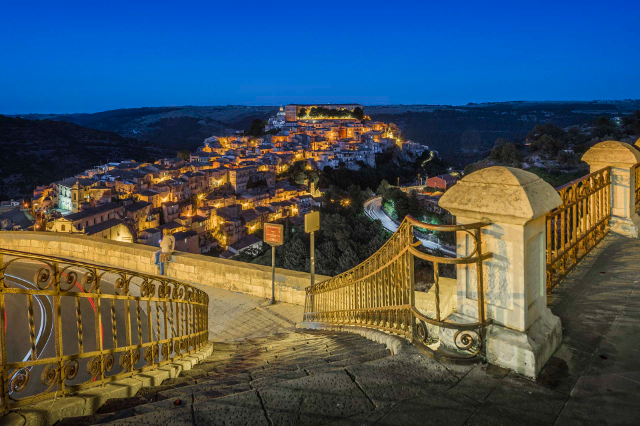
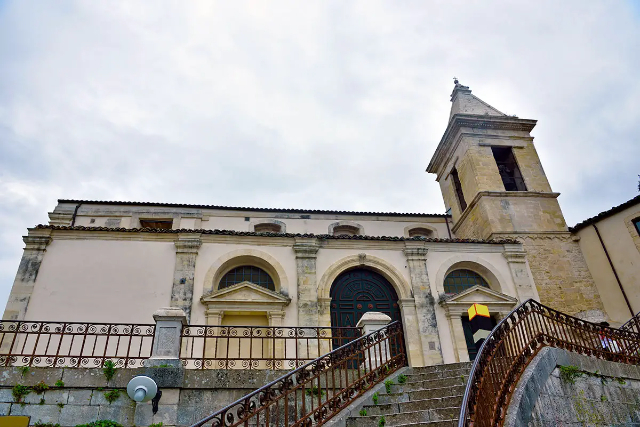
The Church of Santa Maria delle Scale in Ragusa is undoubtedly one of the most famous and photographed views of the city. It marks the beginning of a path of stairs that connects the new town to Ragusa Ibla. Made world famous by episodes of Commissario Montalbano, it is one of the monuments in Ragusa that is part of the UNESCO site: Late Baroque Cities of the Val di Noto.The construction of the Church of Santa Maria delle Scale probably dates back to the Norman period. In the 14th century, during the rule of the Chiaramonte family, the building was rebuilt in the Gothic style, but was later partially destroyed by the 1693 earthquake. The earthquake caused the central and left aisles to collapse, leaving only the right one standing, which is still visible today. The missing parts were then rebuilt in the Baroque style. The ancient church was preceded by a portico with arches, called "le pinnate di Santa Maria," which occupied the present left aisle. On one side of the portico was an octagonal stone pulpit, now walled up outside the church.The interior of the Church of Santa Maria delle Scale in Ragusa is divided into three naves. The one on the right is the only survivor of the terrible Val di Noto earthquake. Here two Gothic-Catalan and one Renaissance-style archways are visible, all finely carved with ornamental motifs. The second arch is particularly interesting because it is topped by a small sculpture of the "Madonna and Child." The reliefs decorating it depict flowers, branches and various fantastic animals. One of the most beautiful works kept inside the church is located in one of the chapels in the right aisle. It is a polychrome terracotta altarpiece from Caltagirone depicting "The Transit of the Virgin" and dates back to 1538.
Church of Santa Maria delle Scale - Ragusa | Secret World Trip Planner
🗺 AI Trip Planner

Plan your visit to Ragusa

Suggested itinerary near Church of Santa Maria delle Scale

MAJ+
500.000+ travelers worldwide
  1. 🌅
    Morning
    Church of Santa Maria delle Scale
    📍 Ragusa
  2. ☀️
    Afternoon
    Modica Chocolate Museum
    📍 7.6 km · Ragusa
  3. 🌆
    Evening
    Sicily | Oil Museum of Palazzo Montesano
    📍 12.1 km · Ragusa

Buy Unique Travel Experiences

Powered by Viator

See more on Viator.com

Explore nearby · Ragusa

Frequently Asked Questions

The Church of Santa Maria delle Scale is one of the most iconic and photographed landmarks in Ragusa, famous for marking the beginning of a monumental staircase that connects the new town to Ragusa Ibla. It gained worldwide recognition through episodes of the Italian TV series Commissario Montalbano and is part of the UNESCO-listed Late Baroque Cities of the Val di Noto.
The devastating 1693 earthquake partially destroyed the church, causing the central and left aisles to collapse while leaving only the right aisle standing. The missing sections were subsequently rebuilt in the Baroque style, creating the architectural blend of Gothic-Catalan and Baroque elements visible today.
The interior features three naves, with the right aisle being the only original survivor from before the 1693 earthquake, displaying two Gothic-Catalan and one Renaissance-style archways with ornamental carvings. Don't miss the second arch topped with a small sculpture of the Madonna and Child, and the stunning 1538 polychrome terracotta altarpiece from Caltagirone depicting 'The Transit of the Virgin' located in one of the right aisle chapels.
The church's construction probably dates back to the Norman period, with a major Gothic-style reconstruction during the 14th-century rule of the Chiaramonte family. Its complex architectural history and survival through centuries of earthquakes make it a valuable testament to the evolution of Sicilian religious architecture from medieval to Baroque periods.
The ancient church was preceded by a portico with arches called 'le pinnate di Santa Maria,' which once occupied the present left aisle and featured an octagonal stone pulpit on one side. This pulpit has since been walled up outside the church but remains an interesting archaeological element of the site's medieval past.
