



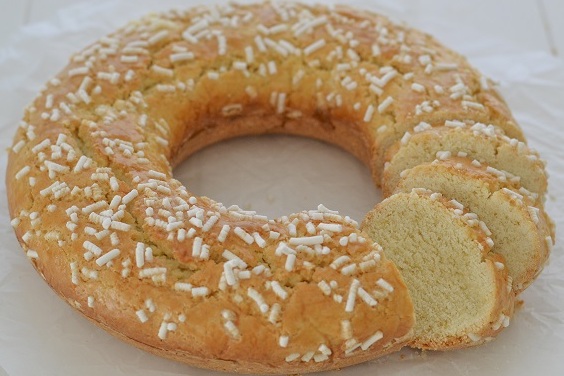
In the heart of Ferrara, a city steeped in history and culinary tradition, lies the delightful Ciambella ferrarese, also known as brazadella. This rustic cake, with its unique dry texture and zesty lemon flavor, is more than just a treat; it embodies the spirit of Ferrara and its rich cultural tapestry.
The origins of brazadella can be traced back to 1250, a time when Ferrara was flourishing under the rule of the Este family. This period saw a blend of artistic innovation and culinary experimentation. The cake was born out of necessity; during times when luxuries like chocolate were unattainable, the simple ingredients of flour, sugar, eggs, and lemon zest provided a satisfying alternative. Traditionally, it was served tucked into the right arm, while the left was used to pour local wines—a charming ritual that speaks to the communal dining experience that is integral to Italian culture.
Architecturally, Ferrara itself is a UNESCO World Heritage Site, celebrated for its well-preserved Renaissance buildings and town planning. The Castello Estense, with its formidable towers and moat, dominates the city skyline. The castle is not only a stunning example of medieval architecture but also houses remarkable frescoes and art pieces that tell the story of the Este family's legacy. Wandering through the streets, visitors can also admire the Palazzo dei Diamanti, renowned for its diamond-pointed façade, which reflects the artistic ambition of the city during the Renaissance.
Local customs in Ferrara are vibrant and deeply rooted in history, with festivals celebrating everything from the arts to culinary traditions. One such event is the Palio di Ferrara, a historical horse race held twice a year, echoing the city's medieval past. During this time, neighborhoods compete not only in the race but also in a variety of cultural performances, showcasing the talent and pride of the community. The brazadella often makes an appearance at such festivities, symbolizing hospitality and local heritage.
Gastronomically, Ferrara offers a variety of local delicacies that complement the brazadella beautifully. Pairing it with a glass of Pignoletto, a sparkling white wine from the region, enhances the cake's citrus notes. Other local specialties include cappellacci di zucca, stuffed pasta with pumpkin, and salama da sugo, a rich sausage that reflects the region's culinary diversity. Together, these dishes create a well-rounded experience of Ferrara's gastronomic landscape.
For those interested in lesser-known curiosities, the brazadella has its own unique folklore. It is said that the cake was often prepared by mothers for their children to take to school, serving as a symbol of nourishment and care. Additionally, the cake's longevity is remarkable; it can last for weeks when stored properly, making it an ideal companion for travelers exploring the countryside around Ferrara.
The best time to visit Ferrara is during the spring and early autumn months, when the weather is mild, and local festivals are in full swing. Visitors should take the opportunity to enjoy a leisurely stroll through the city’s historic center, stopping at local bakeries to sample fresh brazadella. It’s also wise to explore the local markets, where artisans sell handmade goods and fresh produce, immersing oneself in the vibrant daily life of Ferrara.
When planning your visit, consider downloading the Secret World app to create a personalized AI itinerary tailored to your interests, ensuring you don't miss the hidden gems of Ferrara.
