



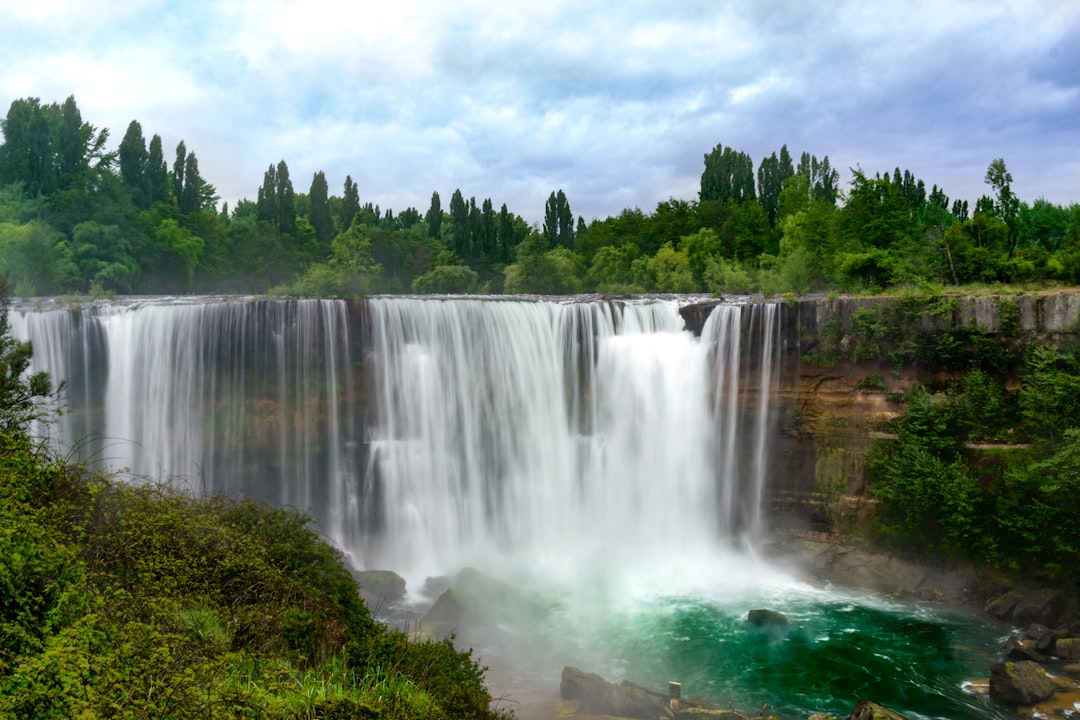
Nestled in the heart of Chile, Laja Waterfall is a breathtaking spectacle that beckons travelers with its cascading waters and rich cultural significance. This natural wonder, formed by the powerful currents of the Laja River, plunges into a rugged canyon, creating a dramatic landscape that has intrigued visitors for centuries.
### History and Origins
The history of Laja Waterfall is as captivating as its scenery. This site has long been sacred to the Mapuche people, who revered the area for its natural beauty and spiritual significance. According to local lore, the waterfall served as a cult site where ancient Mapuche shamans would meditate and connect with nature. Young men underwent rites of passage here, demonstrating their courage and resilience as they navigated the treacherous waters.
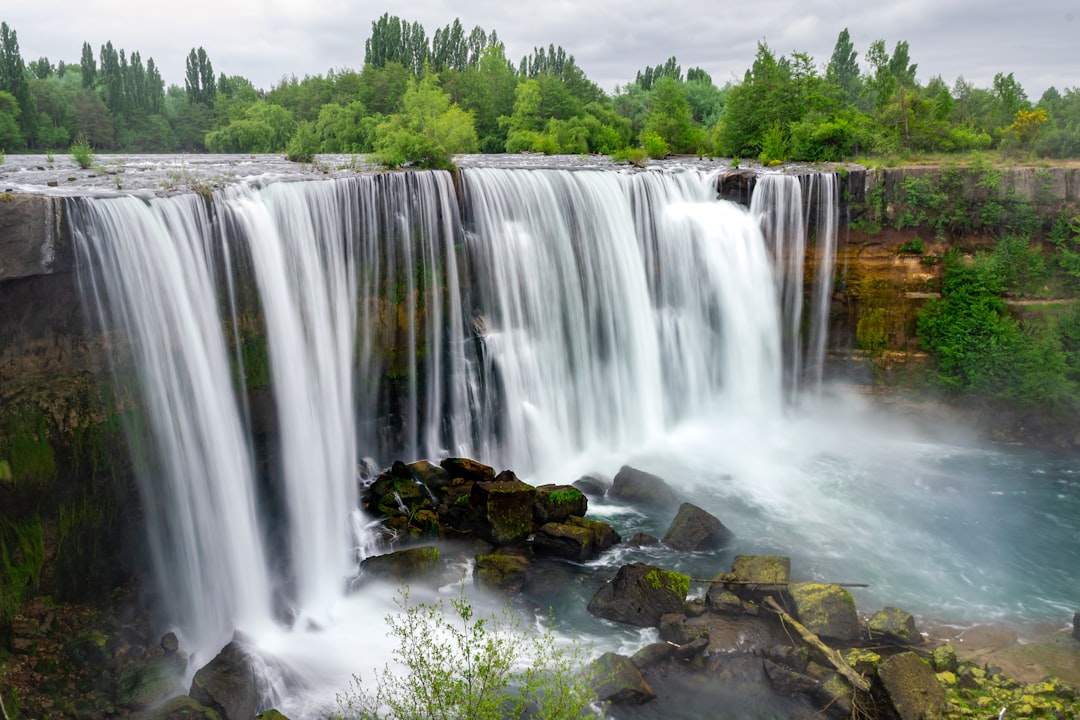
During the era of Spanish colonization in the 16th century, the region transformed into a battleground. The waterfall and its surrounding canyon became a natural barrier, marking the boundary between indigenous lands and colonial incursions. This tumultuous history adds a layer of depth to the already striking landscape, inviting visitors to reflect on the stories etched into the rocks and waters.
### Art and Architecture
While Laja Waterfall is primarily celebrated for its natural beauty, the surrounding area showcases elements of local architecture. The boardwalks that meander through the canyon were thoughtfully designed to blend with the natural environment, allowing tourists to appreciate the falls from various vantage points without intruding on the landscape. The structures are a testament to sustainable tourism, encouraging visitors to experience the beauty of the falls while preserving the ecological integrity of the site.
Local artisans also draw inspiration from the waterfall's grandeur. Traditional Mapuche crafts, such as intricate textiles and pottery, often depict the natural elements found in the region, including the waterfall itself. These artworks serve not only as beautiful keepsakes but also as a reminder of the deep connection between the land and its people.
### Local Culture and Traditions
The culture surrounding Laja Waterfall is rich and vibrant, steeped in the traditions of the Mapuche people. Visitors may encounter local festivals that celebrate the changing of the seasons, such as the Pukllay festival, which occurs in March. This event features traditional music, dance, and the sharing of local foods, offering a glimpse into the community's customs and values.
Additionally, the spiritual significance of the waterfall remains alive in local traditions. The Mapuche continue to perform rituals at the site, honoring the spirits of nature and seeking blessings for the land. Engaging with these practices provides an intimate understanding of the relationship between the community and the natural world.
### Gastronomy
No visit to Laja Waterfall would be complete without indulging in the local cuisine. The region is known for its hearty, traditional dishes that reflect the agricultural bounty of central Chile. One must-try dish is pastel de choclo, a corn pie layered with seasoned meat, olives, and hard-boiled eggs, topped with a fluffy corn topping. This dish is a symbol of Chilean comfort food and is often enjoyed during family gatherings and celebrations.
Pair your meal with a glass of mote con huesillo, a refreshing drink made from dried peaches and husked wheat, served chilled. This delightful concoction is a popular summer beverage that embodies the flavors of the region and complements the stunning natural beauty surrounding the waterfall.
### Lesser-Known Curiosities
Beyond its stunning vistas, Laja Waterfall hides some fascinating stories. For instance, the falls are home to a variety of flora and fauna, some of which are endemic to the region. Birdwatchers may spot the elusive Andean condor soaring above the canyon, a symbol of Chilean wilderness.
Moreover, the area is believed to have unexplored caves and hidden trails that lead to breathtaking viewpoints away from the well-trodden paths. Adventurous souls may find themselves discovering secret spots where they can appreciate the falls in solitude, away from the crowds.
### Practical Visitor Information
The best time to visit Laja Waterfall is during the spring and summer months (October to March), when the weather is mild, and the water flow is at its peak. The site offers well-maintained boardwalks that allow for safe exploration of the area, but visitors should wear sturdy shoes and be cautious near the edges of the canyon.
For those seeking a more immersive experience, consider joining a guided tour that delves into the history and cultural significance of the waterfall. Local guides can provide insights that enhance your appreciation of this natural wonder.
As you plan your trip, consider downloading the Secret World app to create a personalized itinerary that captures the essence of your visit.
