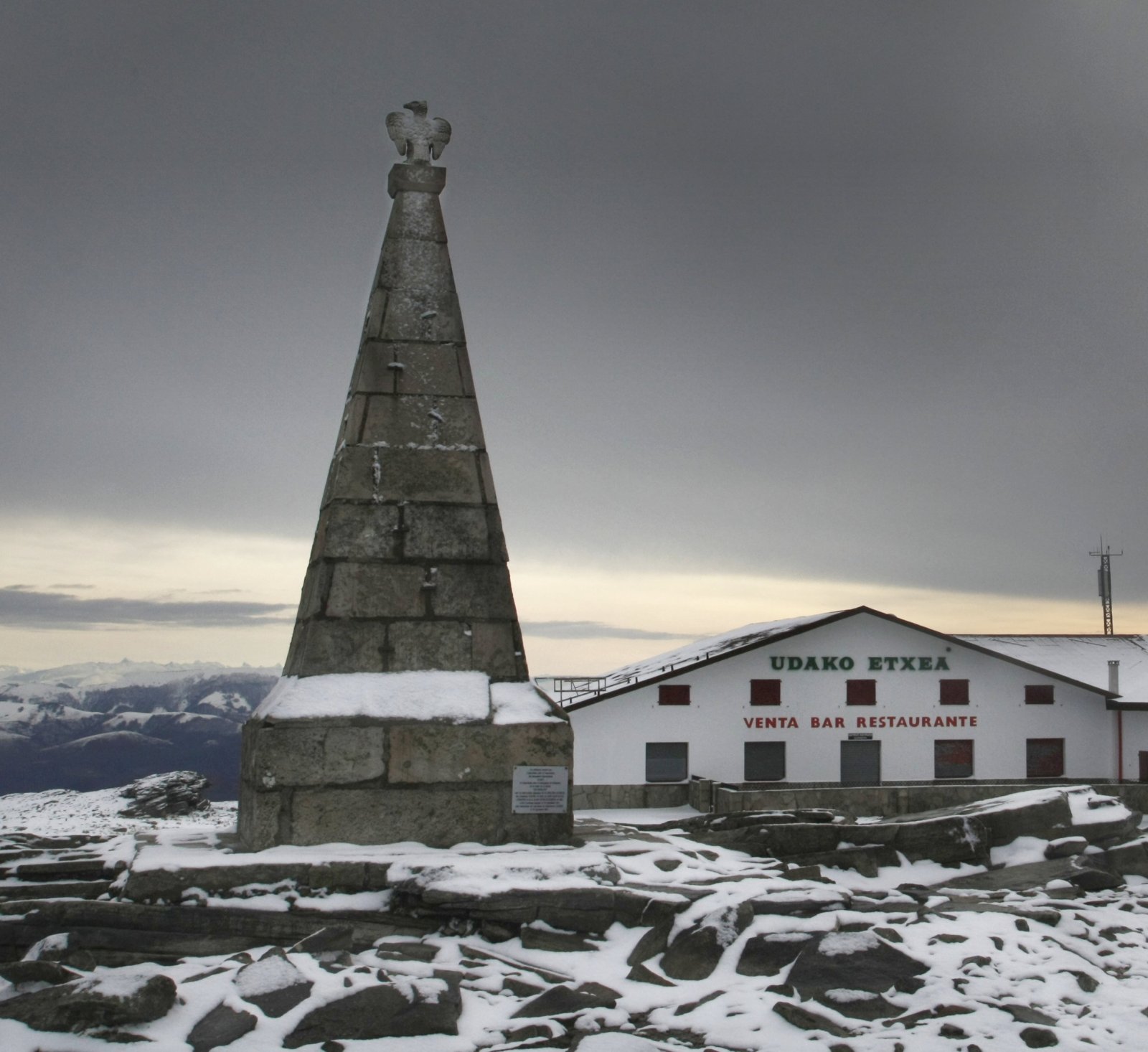
The Cima Larrun, known as La Rhune in French, is a majestic peak rising to 905 meters above sea level, marking the threshold of the Pyrenees while offering breathtaking views of the Basque Country and the Atlantic Ocean. This natural wonder is more than just a hike; it is a journey through history, culture, and the stunning landscape that defines this region of Spain.
### History and Origins
The allure of La Rhune dates back centuries, with its historical significance rooted in the ancient peoples who revered the mountain as a sacred site. Archaeological evidence suggests that the region was inhabited during the Neolithic period, with remnants of ancient tools and burial sites scattered throughout the area.
Empress Eugenia, the wife of Napoleon III, played a pivotal role in popularizing mountain hiking in the mid-19th century. Her stays in Biarritz ignited a trend among the elite to explore the natural beauty of the Basque landscape. The peak became an official tourist destination in 1924 when the iconic rack railway was built from the village of Sara. This cogwheel train, which has remained largely unchanged since its inauguration, now transports visitors on a scenic 35-minute ride, offering an intimate experience of the mountain's splendor.
### Art and Architecture
The architecture of the rack railway station at Sara is a charming blend of traditional Basque style and early 20th-century design. The station features rustic wooden beams, vibrant colors, and a warm, welcoming aura that encapsulates the spirit of the Basque culture. Nearby, the chapel of San Juan Bautista showcases typical Basque architecture with its stone façade and steeply pitched roofs, reflecting the region's rich religious history.
As you ascend La Rhune, keep an eye out for the monumental stone cross at the summit, a landmark that commands respect and admiration. This cross, erected in the early 20th century, is a symbol of the mountain's spiritual significance and rewards hikers with a magnificent panoramic view.
### Local Culture and Traditions
The Basque culture is vibrant and deeply rooted in tradition, and Sara serves as a microcosm of this heritage. The village hosts various festivals throughout the year, most notably the Fête de la Rhune, celebrated in late summer. This lively event features traditional Basque music, dance, and gastronomy, drawing locals and visitors alike for a genuine cultural experience.
Another fascinating aspect of Basque tradition is the pottoka, a small, robust pony native to the region. These ponies roam freely on the slopes of La Rhune, embodying the spirit of the Basque people’s connection to nature and their livestock.
### Gastronomy
No visit to the Basque Country is complete without indulging in its rich culinary offerings. The region is famous for its cheeses, particularly Ossau-Iraty, a sheep’s milk cheese that pairs excellently with local jams. As you savor the flavors, don’t miss the chance to try Piperade, a traditional Basque dish made with peppers, tomatoes, and eggs, capturing the essence of the local produce.
The local cider, or sagardoa, is another staple, often enjoyed in traditional sagardotegis (cider houses) where the drink is served straight from the barrel. Pairing this with a Basque cake (Gâteau Basque) filled with pastry cream or black cherry provides a sweet conclusion to your culinary journey.
### Lesser-known Curiosities
Beyond its stunning vistas, La Rhune has a few hidden gems that many tourists overlook. One of these is the wild vulture, a majestic bird that soars above the peaks, representing the untamed spirit of the Pyrenees. It’s not uncommon to spot these impressive raptors during your ascent, a true testament to the biodiversity that thrives in this region.
Additionally, the area is rich in folklore, with legends surrounding the mountain that speak of ancient gods and mythical creatures. One such tale involves the Basque witch who is said to have danced on the mountain’s slopes during full moons, adding an enchanting layer to the landscape that visitors can feel as they tread the paths.
### Practical Visitor Information
The best time to visit La Rhune is during the spring and early autumn months, when the weather is mild and the flora is in full bloom. It’s advisable to check the train schedules in advance, as they can vary seasonally. Wear comfortable walking shoes for the ascent, and don't forget your camera – the views from the summit are simply unforgettable.
While the cogwheel train is a popular option, for the adventurous, hiking trails that lead to the summit provide a more immersive experience. Along the way, be sure to stop and appreciate the unique flora and fauna that thrive in this mountainous habitat.
Whether you are drawn by the history, the views, or the vibrant culture, Cima Larrun promises an unforgettable experience that encapsulates the heart and soul of the Basque Country. To make the most of your journey, consider using the Secret World app for a personalized itinerary that ensures you uncover all the hidden treasures of this enchanting region.
