
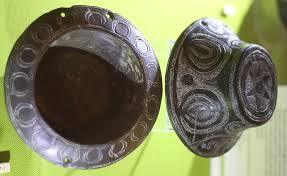

Nestled in the heart of Ozieri, the Civic Archaeological Museum of Ozieri is a treasure trove that reveals the rich tapestry of Sardinia's ancient past. This museum stands as a testament to the island's long history, showcasing artifacts that span from the Bronze Age to the Roman period, making it a must-visit for anyone intrigued by archaeology and history.
### History and Origins
The origins of the museum can be traced back to the late 19th century, a time when the archaeological significance of Sardinia began to gain recognition. The museum was officially established in the mid-20th century, specifically in 1968, to house the growing collection of artifacts discovered in and around Ozieri. The numismatic section is particularly noteworthy, as it preserves part of the three monetary treasures unearthed from various sites: Lagostis (1868), Baesia (1875), and Tramentu (1894). These treasures not only reflect the economic practices of ancient Sardinians but also offer insights into trade and cultural exchanges in the region.
Notably, the museum features discoveries made by the notary Biddau in the late 19th century, including items found in a rustic Roman building. Many of these artifacts were acquired through gifts and purchases, particularly from the Amadu collection, enriching the museum's offerings and providing a glimpse into everyday life during ancient times.
### Art and Architecture
The architectural design of the Civic Archaeological Museum is a blend of modern influences and traditional Sardinian aesthetics. Its spacious galleries are thoughtfully arranged to guide visitors through various periods, creating an immersive experience. Notable artworks include the Cattina bronze collection, which encompasses an array of beautifully crafted artifacts that epitomize the artistry of the Bronze Age. Among these is the Delogu-Tola ingot, a remarkable piece that highlights the advanced metallurgical skills of ancient Sardinians.
As you wander through the museum, the visual narrative of Sardinia's past unfolds, showcasing not just relics but also the evolution of artistic expression throughout centuries. Each exhibit tells a story, inviting visitors to ponder the lives of those who walked the same land thousands of years ago.
### Local Culture and Traditions
Ozieri is steeped in rich traditions, many of which are reflected in its local festivals. One of the most celebrated is the Sagra di San Gavino, held every May, where locals pay homage to their patron saint with elaborate processions, traditional music, and regional delicacies. The festival encapsulates the vibrant spirit of Ozieri, uniting the community in a colorful display of faith and culture.
Another important aspect of local culture is the Canto a Tenore, a traditional form of singing that has been recognized by UNESCO as an Intangible Cultural Heritage. This unique vocal style, characterized by its polyphonic nature, is often performed during festivals and gatherings, showcasing the island's rich musical heritage.
### Gastronomy
No visit to Ozieri would be complete without indulging in the local gastronomy. Sardinia is famous for its hearty and flavorful dishes, often influenced by its pastoral and maritime roots. One must-try dish is Porceddu, a succulent roast suckling pig seasoned with aromatic herbs, traditionally cooked over an open fire.
Another local specialty is Culurgiones, a type of stuffed pasta filled with potatoes, pecorino cheese, and mint, often served with a tomato sauce. To complement your meal, savor a glass of Cannonau, a robust red wine that embodies the essence of Sardinia’s vineyards. The local cuisine reflects the island's agricultural bounty and culinary traditions, making it a delightful experience for food lovers.
### Lesser-known Curiosities
While the museum showcases prominent artifacts, some hidden gems are often overlooked by visitors. For instance, the museum houses a rare collection of Nuragic pottery, characterized by intricate designs that reflect the island’s prehistoric culture. Additionally, many visitors miss the opportunity to explore the archaeological sites surrounding Ozieri, such as the Domus de Janas, ancient burial sites carved into rock, which offer a fascinating glimpse into the funerary practices of the Nuragic civilization.
Moreover, the museum’s educational programs, aimed at engaging local schools and tourists alike, provide an enriching experience that deepens the appreciation of Sardinia’s historical significance.
### Practical Visitor Information
The Civic Archaeological Museum of Ozieri is open year-round, but the best time to visit is during the spring and autumn months when the weather is mild, and the tourist crowds are fewer. It’s advisable to check the museum’s schedule for any special exhibitions or events that may coincide with your visit.
When exploring the museum, take your time to absorb the detailed descriptions accompanying each exhibit. A guided tour can also enhance your understanding of the artifacts and their historical context. Don’t forget to visit the museum shop, where you can find unique souvenirs that celebrate the rich culture of Sardinia.
In summary, the Civic Archaeological Museum of Ozieri offers a captivating journey through time, revealing the ancient wonders of Sardinia. For a personalized itinerary that ensures you capture the essence of Ozieri, consider using the Secret World app to plan your visit.


