
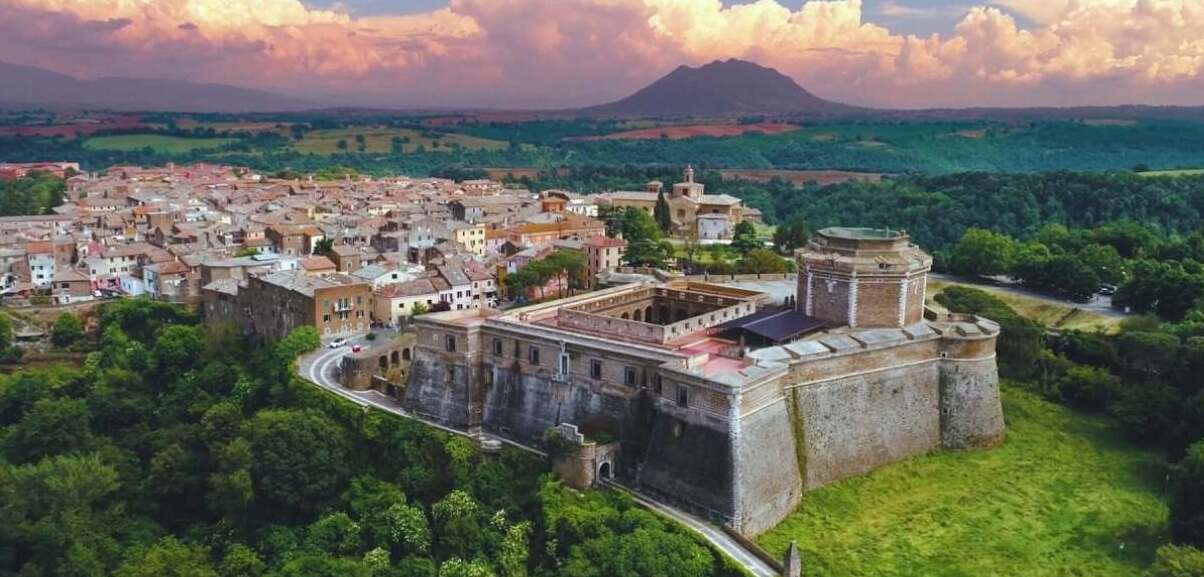

Nestled among the rugged hills of Lazio, Civita Castellana is a captivating village steeped in history and natural beauty. Its dramatic landscapes, characterized by towering tuff cliffs and deep gorges, provide a stunning backdrop for this remarkable town.

History and Origins
Originally known as Falerii Veteres, Civita Castellana was the heart of the ancient Faliscan civilization, predating Roman dominance in the region. The Falisci were known for their prowess in pottery and their advanced societal structures. However, in the 3rd century BCE, they succumbed to Roman expansion, leading to the eventual decline of their settlements. The remnants of this ancient civilization can still be seen today, particularly in the expansive necropolis where grave goods of immense historical value have been uncovered. Many of these artifacts are preserved in the National Museum of Agro Falisco in Civita Castellana, offering a window into the region's illustrious past.
During the Renaissance, the town flourished as a papal residence, hosting notable pontiffs such as Alexander VI Borgia and Julius II della Rovere. The influence of these powerful figures is evident in the architecture and cultural richness that permeates the village.
Art and Architecture
Civita Castellana is a treasure trove of architectural wonders. The Rocca dei Borgia, a fortress that looms over the town, is a splendid example of Renaissance military architecture. Built in the late 15th century, it showcases the might of the papal state and offers panoramic views of the surrounding countryside.
One cannot miss the Cathedral of Civita Castellana, known for its stunning cosmatesque style. The intricate marble portico, adorned with vibrant mosaic patterns, is a testament to the craftsmanship of the era. Inside, the Baroque elements tell tales of renovation and artistic evolution. Notably, the cathedral holds a special place in musical history; it is said that Wolfgang Amadeus Mozart visited and played the organ here during his travels in Italy.
Local Culture and Traditions
Civita Castellana is not just a historical site; it is a living community with rich traditions. The village celebrates various festivals throughout the year, with the Festa di Santa Maria being particularly noteworthy. Held in September, this vibrant festival features processions, traditional music, and local cuisine, showcasing the town's cultural heritage.
The town is also known for its craftsmanship, particularly in ceramics. The art of ceramic production dates back to ancient times and continues to thrive today. Visitors can explore local workshops where artisans create stunning pottery pieces, often inspired by the region’s rich history.
Gastronomy
No visit to Civita Castellana is complete without indulging in its local cuisine. The area is renowned for its hearty dishes that reflect its agricultural roots. Pasta alla Gricia, made with guanciale, pecorino cheese, and black pepper, is a beloved local specialty, rich in flavor and tradition. Additionally, porchetta, a savory roast pork dish seasoned with herbs, is a must-try for meat lovers.
Pair your meal with a glass of local Est! Est!! Est!!! di Montefiascone, a crisp white wine that has been enjoyed since the Middle Ages. This wine, often linked to the story of a wine steward who traveled to taste the best wines for his bishop, has become a symbol of the region’s rich viticulture.
Lesser-Known Curiosities
While the major sights are captivating, Civita Castellana harbors lesser-known curiosities that add to its charm. For instance, the Clementino Bridge offers not only stunning views of the landscape but also serves as a historical divide between the old and new parts of the town.
Moreover, the village's tuff stone has been used since antiquity for construction, giving the town its distinctive look. Hidden in the hills are ancient Roman roads, remnants of the vast network that once connected the empire, waiting to be explored by adventurous travelers.
Practical Visitor Information
The best time to visit Civita Castellana is during the spring and fall when the weather is mild, making it perfect for strolling through the town’s charming streets. Be sure to wear comfortable shoes, as the cobblestone paths can be uneven.
A visit should include stops at the National Museum of Agro Falisco and the cathedral, along with a leisurely walk through local artisan shops. Don’t forget to explore the surrounding natural beauty; hiking trails around Mount Soratte provide breathtaking vistas and opportunities for outdoor activities.
Civita Castellana is a hidden gem that invites exploration, offering a blend of history, culture, and culinary delights. For those looking to craft a personalized experience, consider using the Secret World app to plan your itinerary and uncover the unique wonders of this enchanting village.


