



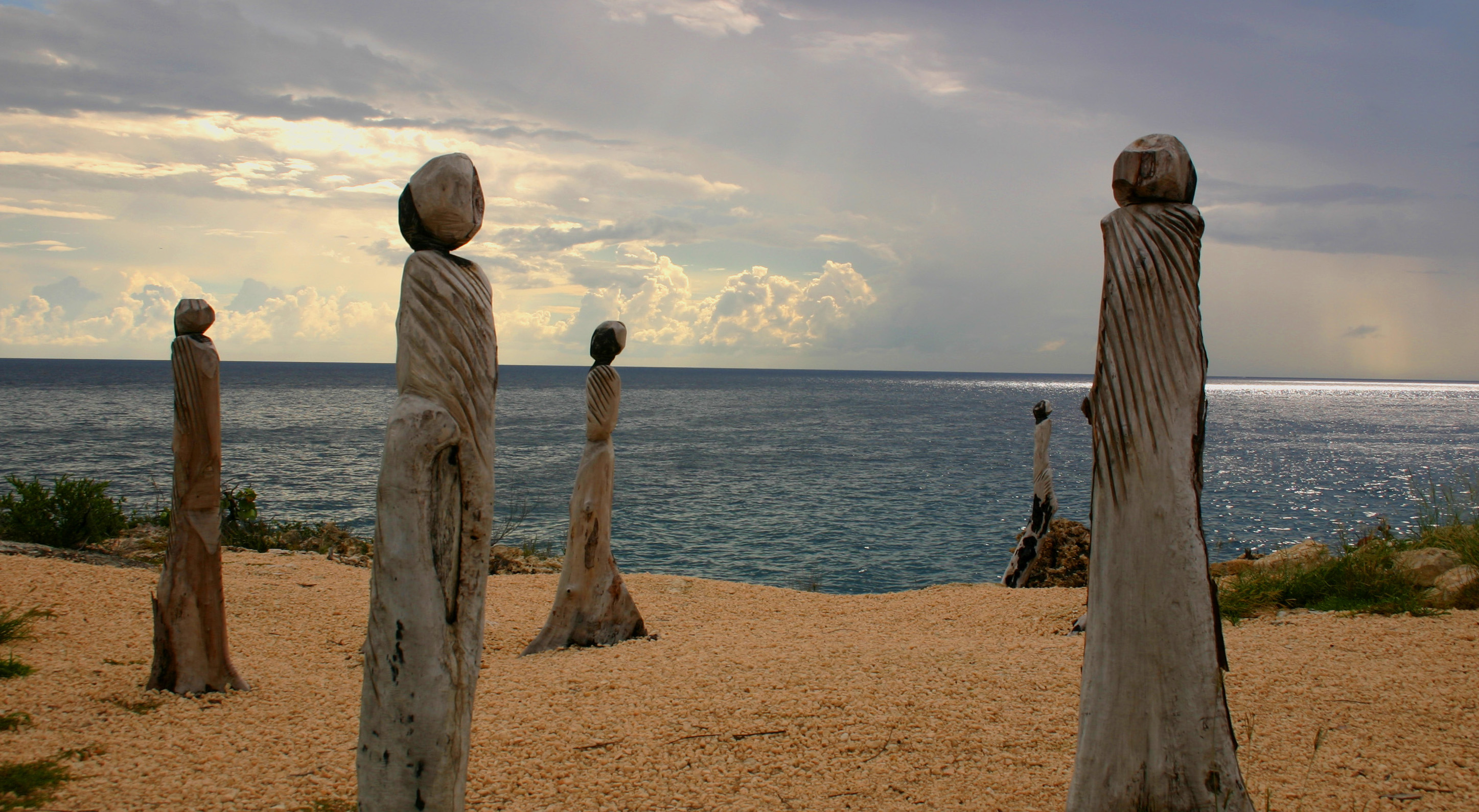
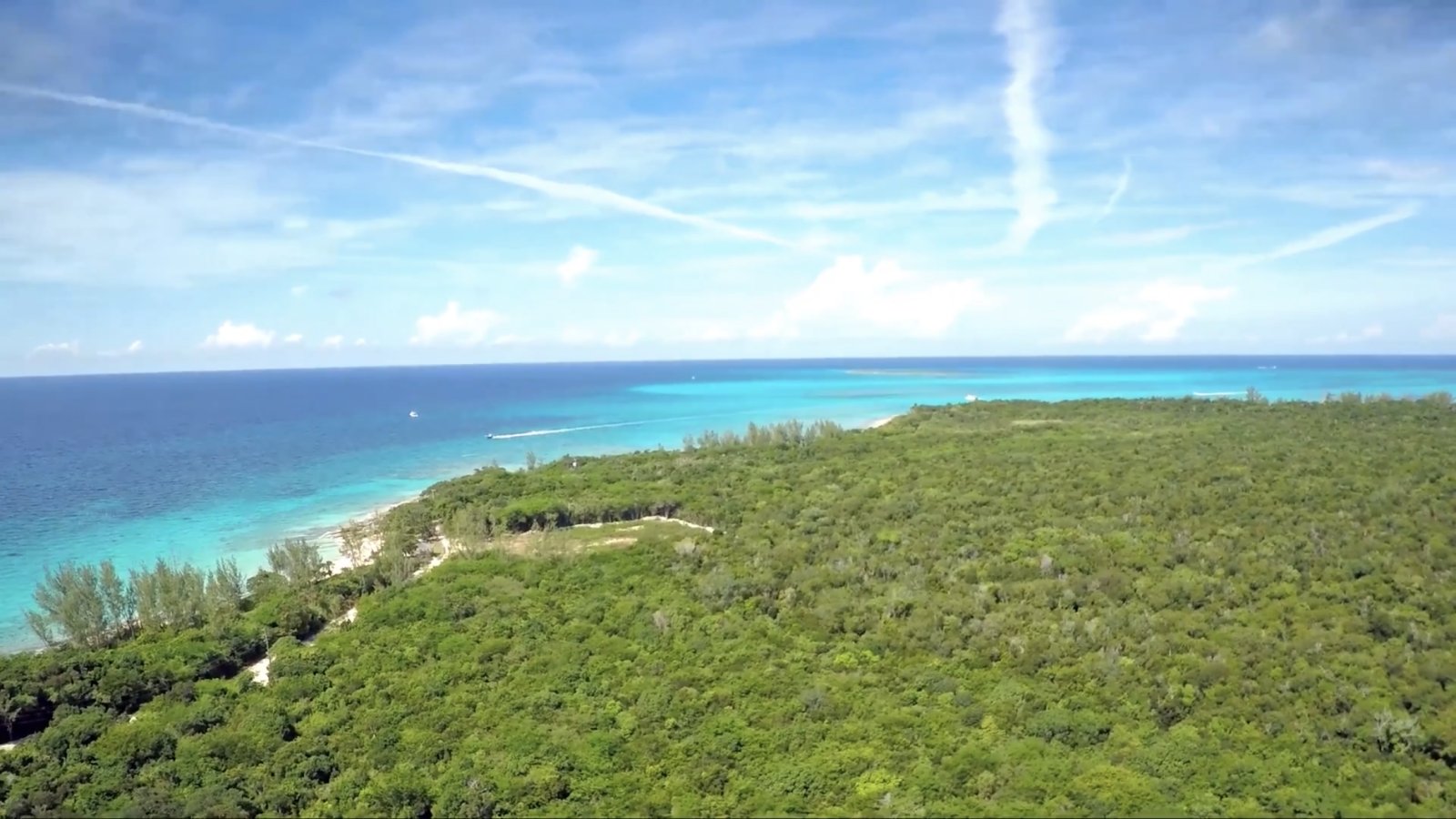
Nestled on the southwestern coast of Nassau, Bahamas, Clifton Heritage National Park is a treasure trove of history, nature, and culture. Its undulating trails and scenic vistas provide not only a feast for the eyes but also a deep dive into the island's storied past. This park is a vivid reminder of the influences that shaped the Bahamas, from the Lucayans and British Loyalists to the African heritage that is integral to the identity of the islands.
### History and Origins
The history of Clifton Heritage National Park is rich and multifaceted. The Lucayans, the indigenous people of the Bahamas, were the first to inhabit these lands, thriving in harmony with the environment. They left behind remnants of their civilization, including artifacts that offer insight into their way of life. Unfortunately, the arrival of Europeans in the 15th century, notably Christopher Columbus in 1492, heralded the decline of the Lucayan population due to disease and enslavement.
In the 18th century, Loyalist settlers from the American colonies sought refuge in the Bahamas following the Revolutionary War. They brought with them their customs and architectural styles, establishing plantations that would rely heavily on enslaved African labor. This history of conflict and adaptation has woven a complex narrative that is still palpable within the park's boundaries.
Established in June 2004 and officially opened in April 2009, the park was created to safeguard this significant cultural landscape. Managed by the Clifton Heritage Authority, its mandate is to preserve these historical remnants and provide educational opportunities for visitors.
### Art and Architecture
As you wander through the park, you’ll encounter various architectural styles that showcase the Loyalists' influence. The ruins of old plantation homes and sugar mills dot the landscape, offering a glimpse into the colonial past. One notable structure is the Clifton Pier, which served as a bustling point for trade and transportation.
Artistic expression thrives here, too, with local artists often drawing inspiration from the park's natural beauty and historical significance. The artwork displayed throughout the park celebrates Bahamian culture and heritage, often featuring vibrant colors and motifs that reflect the lush surroundings.
### Local Culture and Traditions
The park is not just a historical site; it is a living testament to the Bahamian way of life. Traditional customs are celebrated through various festivals, such as Junkanoo, a vibrant street parade held during the Christmas season. The festival features elaborate costumes, music, and dance, echoing the African heritage that plays a pivotal role in Bahamian culture.
Visitors may also encounter local storytellers and artisans sharing tales and crafts that have been passed down through generations. Engaging with this cultural fabric provides a deeper understanding of the Bahamas beyond its picturesque beaches.
### Gastronomy
No visit to Clifton Heritage National Park is complete without indulging in the local gastronomy. The culinary landscape here is a fusion of flavors reflecting the island’s diverse heritage. Traditional dishes like conch fritters, a savory treat made from the conch shellfish, and peas 'n' rice, a comforting side dish, are must-tries.
Beverages also play a role in local culture, with Bahamian rum being a staple. The famous Sky Juice, a refreshing cocktail made with coconut water, gin, and sweetened condensed milk, is particularly popular among park-goers looking to quench their thirst after a day of exploring.
### Lesser-Known Curiosities
While Clifton Heritage National Park is well-known for its historical significance, it also harbors lesser-known curiosities. For instance, the park is home to the unique “Blue Hole,” a natural underwater sinkhole that is a magnet for divers and snorkelers. This geological wonder showcases the marine biodiversity of the Bahamas, making it a hidden gem for nature enthusiasts.
Another intriguing fact is the park’s role in protecting the endangered species that inhabit the coastal wetlands. These areas serve as critical habitats for various birds and marine life, reminding visitors of the importance of conservation.
### Practical Visitor Information
The best time to visit Clifton Heritage National Park is during the dry season, from November to April, when temperatures are mild and rainfall is minimal. Early mornings or late afternoons are ideal for a peaceful hike, allowing you to fully appreciate the wildlife and natural beauty during cooler hours.
For a fulfilling experience, bring along a picnic to enjoy on the sandy beaches or under the shade of the native trees. Don’t forget your snorkeling gear to explore the vibrant coral reefs just offshore.
When visiting, take the time to engage with the local guides. Their stories and insights will enrich your understanding of both the park and the broader Bahamian culture.
Whether you’re diving into its rich history or basking in its natural beauty, Clifton Heritage National Park offers a compelling glimpse into the soul of the Bahamas. For a personalized adventure in Nassau, consider using the Secret World app to craft an itinerary that suits your interests.
