
← Back

Clock Tower in Graz

Am Schlossberg, 8010 Graz, Austria ★★★★☆ 346 views
Sania Kostner
Graz
🏆 AI Trip Planner 2026

Get the free app

Discover the best of Graz with Secret World — the AI trip planner with 1M+ destinations. Get personalized itineraries, hidden gems and local tips. Free on iOS & Android.

🧠 AI Itineraries 🎒 Trip Toolkit 🎮 KnowWhere Game 🎧 Audio Guides 📹 Videos
Download on the App Store Get it on Google Play
Scan to download Scan to download

Historical Sites · Graz

Clock Tower in Graz - Graz | Secret World Trip Planner

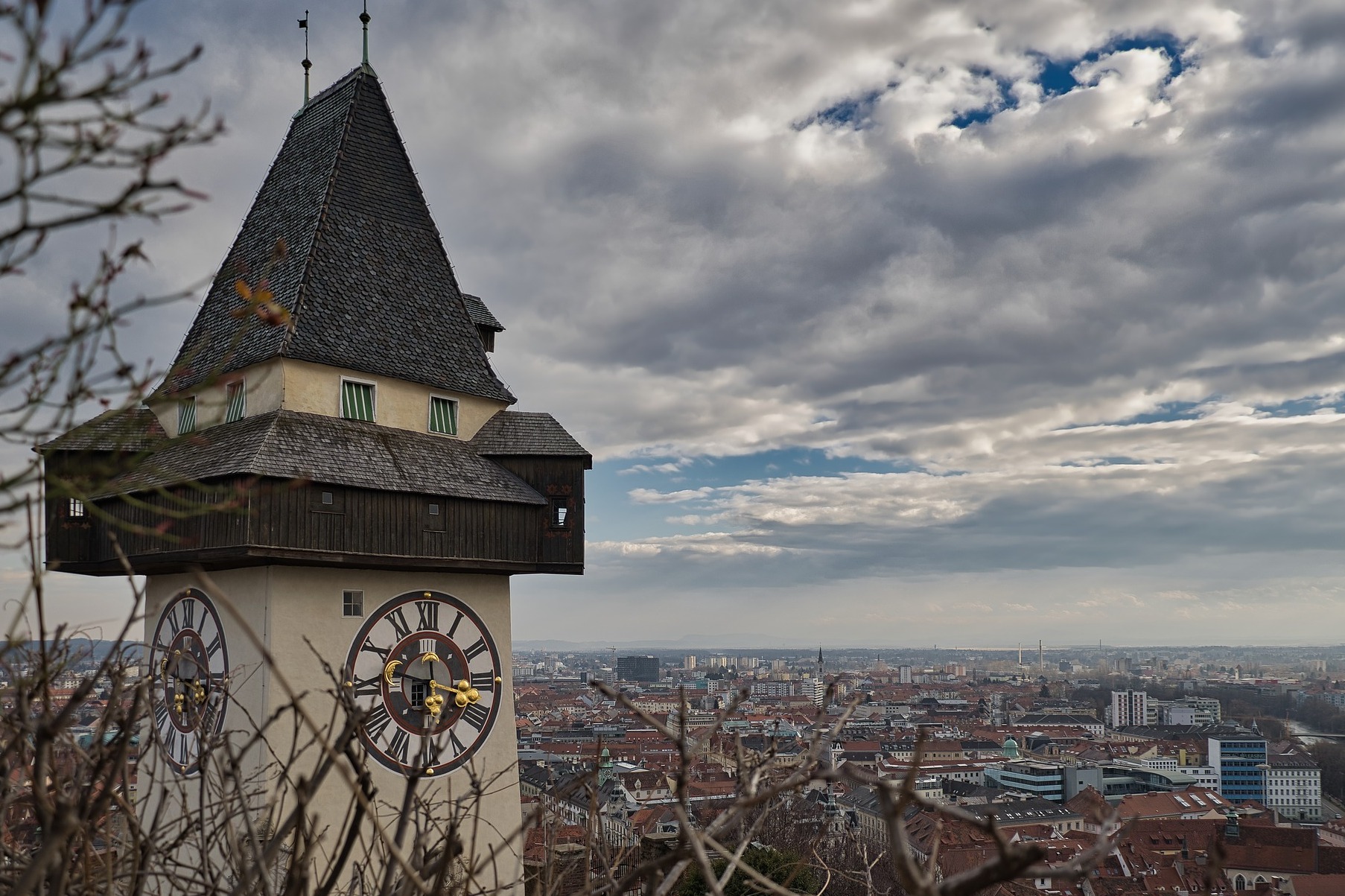
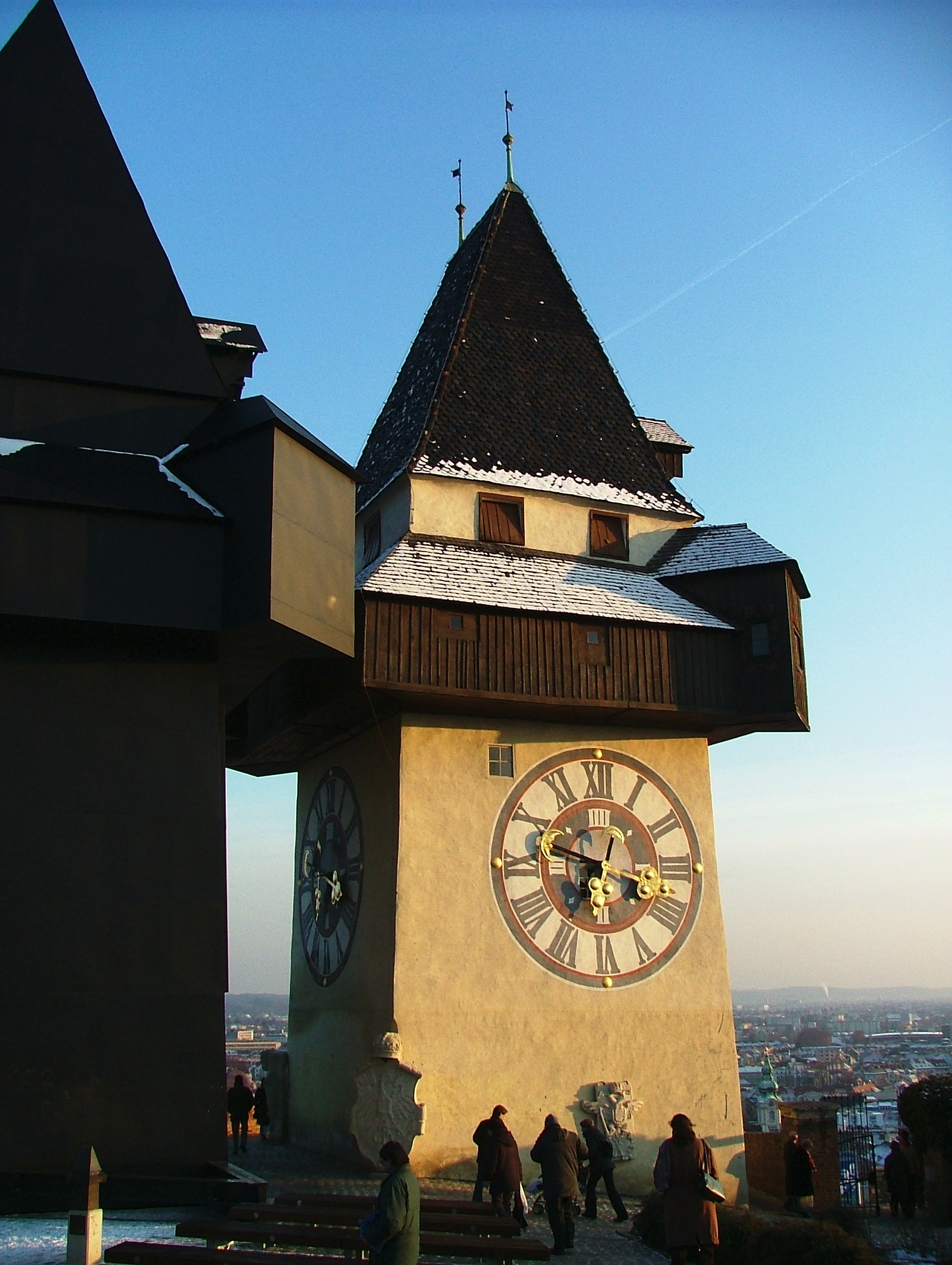
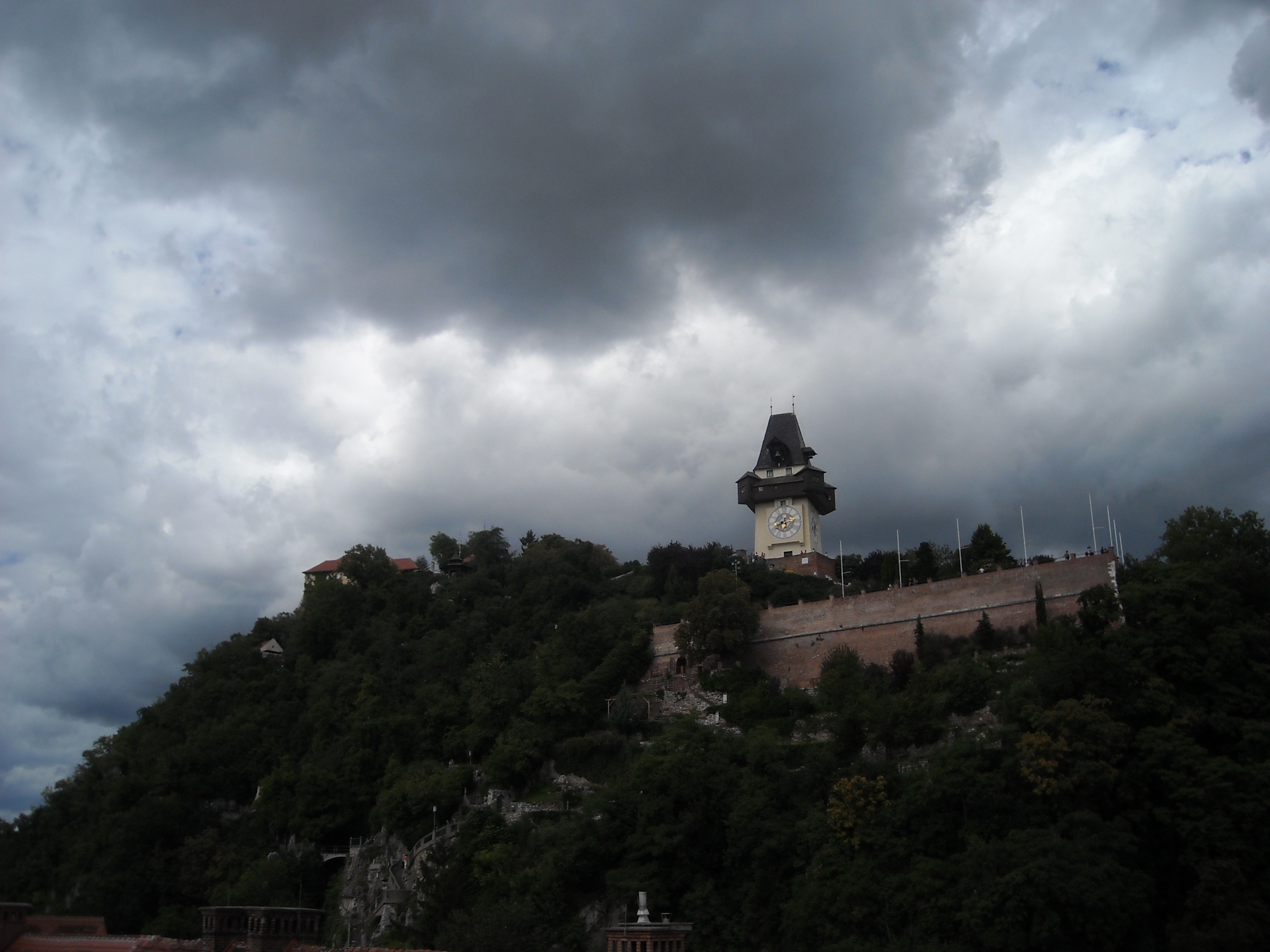
The fortified medieval tower got its present shape around 1560. And its characteristic wooden gallery as a fire station. Three bells are ringing from the Clock Tower. Three coats of arms decorate the walls. A tower on this spot of the hill was first mentioned in the 13th century. When the fortress was reconstructed in the middle of the 16th century, the tower was given its present shape. The hands on the huge clockfaces often confuse people. Is the clock out of order? No. The fact that originally there were only long hands for the hours which could be seen from the distance, and that those for the minutes were added only later caused the "swapping" of the hands. The clockworks, made by Michael Sylvester Funck in 1712, are still working but have been driven electronically since the middle of the 20th century. When there was fire in the city the fire bell informed the fire brigade about it. The fire bell (1645) is one of three bells still hanging on the outside of the Clock Tower. The oldest bell of Graz (1385) strikes the hours. The "Armesünderglocke" or "poor wretches bell" (around 1450) was ringing during executions. In later years it reminded revellers of the curfew, which earned it the title "Lumpenglocke" (rogues bell). At three corners of the tower there are coats of arms, formerly decorating gates and walls of the Schlossberg fortress: the Styrian Panther with the crown of the Duchy of Styria on his head (around 1570), the single eagle as the coat of arms of the later Emperor Ferdinand I (1552), and the double eagle with the initial letters of Maria Theresa (2nd half of 18th century). In times of war the massive "Bürgerbastei" (burghers bastion) bearing the Clock Tower had to be defended by the residents of Graz, hence its name. Today it is a splendour of flowers and quite southern plants.
Clock Tower in Graz - Graz | Secret World Trip Planner
🗺 AI Trip Planner

Plan your visit to Graz

Suggested itinerary near Clock Tower in Graz

MAJ+
500.000+ travelers worldwide
  1. 🌅
    Morning
    Clock Tower in Graz
    📍 Graz
  2. ☀️
    Afternoon
    The Murinsel in Graz, Austria
    📍 0.3 km · Graz
  3. 🌆
    Evening
    The Island in the Mur, Graz
    📍 0.3 km · Graz

Buy Unique Travel Experiences

Powered by Viator

See more on Viator.com

Explore nearby · Graz

Frequently Asked Questions

The Clock Tower originally had only long hour hands visible from a distance, with minute hands added much later, creating the unusual appearance of 'swapped' hands. Despite looking out of order, the clockwork mechanism made by Michael Sylvester Funck in 1712 still functions perfectly and has been electronically driven since the mid-20th century.
The three bells include the fire bell (1645) that alerted the fire brigade during city fires, the oldest bell in Graz (1385) that strikes the hours, and the 'Armesünderglocke' (around 1450) that rang during executions and later became known as the 'rogues bell' for announcing curfews. Each bell played a distinct and important role in the city's historical life.
The Clock Tower received its present shape around 1560 during the fortress reconstruction in the middle of the 16th century, though a tower had stood on this hill since the 13th century. Its distinctive characteristic is the wooden gallery that once served as a fire station, making it instantly recognizable in Graz's skyline.
Three coats of arms decorate the Clock Tower, each representing different periods of Austrian history: the Styrian Panther with the Duchy crown (around 1570), the single eagle of Emperor Ferdinand I (1552), and the double eagle with Maria Theresa's initials (2nd half of 18th century). These symbols were originally part of the Schlossberg fortress gates and walls before being relocated to the tower.
The massive 'Bürgerbastei' (burghers bastion) was originally constructed so that residents of Graz could defend the Clock Tower during times of war, giving the fortification its distinctive name. Today, this historic defensive structure has been transformed into a beautiful garden adorned with vibrant flowers and Mediterranean plants, offering a picturesque spot to view the tower.
