



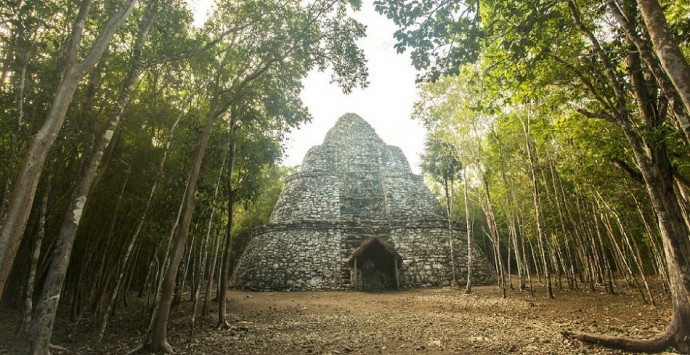
Nestled deep within the verdant jungles of Mexico's Yucatán Peninsula, the ancient city of Cobá beckons travelers with its enigmatic allure. Once a flourishing metropolis of the Maya civilization, Cobá stands today as a testament to the ingenuity and resilience of an ancient people whose influence still resonates through the region.

The origins of Cobá trace back to around 50 AD, when it began as a modest settlement. By the height of its power between 600 and 800 AD, Cobá had burgeoned into a significant urban center, with an estimated population of 50,000 inhabitants. Its strategic location amidst a network of sacbeob, or ancient white roads, connected it to other prominent Maya cities like Tikal and Chichen Itza, facilitating trade and cultural exchanges. This network of roads, some stretching over 60 miles, underscores Cobá's role as a vital hub in the socio-political landscape of the Maya world.
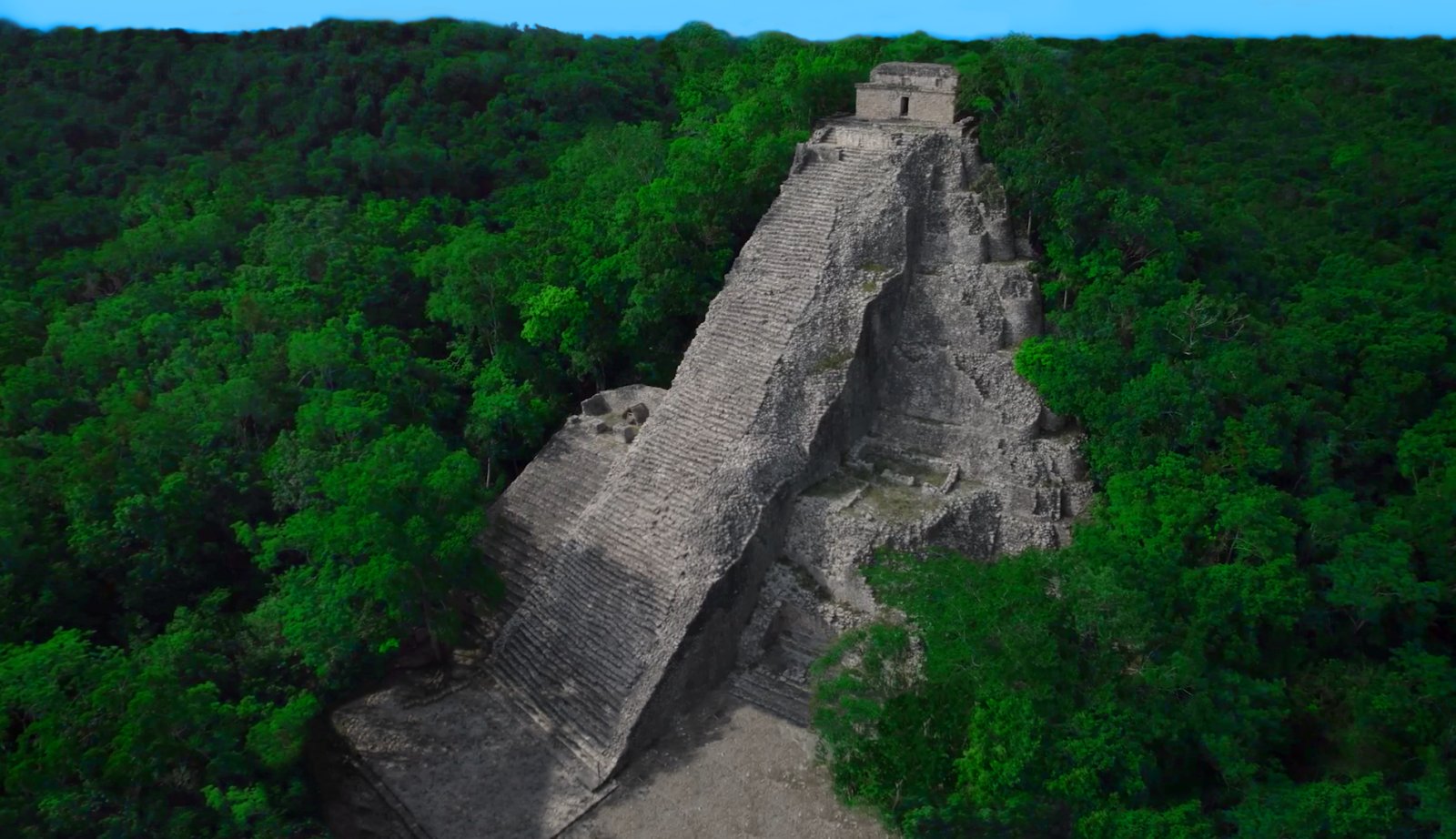
The architectural marvels of Cobá provide a window into the past, with the Nohoch Mul pyramid being the most iconic. Standing at 42 meters (138 feet), it is one of the tallest Maya structures in the Yucatán, offering panoramic views of the surrounding jungle canopy. Unlike the more ornate facades of structures in Uxmal or Palenque, Cobá's architecture is characterized by its functional elegance. The city is dotted with stelae, intricately carved stone slabs that narrate the exploits of rulers and deities, each a masterpiece of both artistry and historical record.
Cobá also holds a rich tapestry of local culture and traditions. The legacy of the Maya endures in the everyday life and customs of the indigenous communities. Visitors may witness traditional ceremonies and the performance of the ancient ball game, pok-ta-pok, which is still played as both sport and ritual. The vibrant festivals, such as the Día de los Muertos, blend Maya and Catholic practices, creating a unique cultural fusion that is both solemn and celebratory.
Gastronomy in Cobá is a delightful exploration of flavors rooted in ancient traditions. The local cuisine is a testament to the Maya's deep connection to the land, with ingredients like corn, beans, and squash forming the backbone of many dishes. Don't miss trying cochinita pibil, a succulent pork dish marinated with citrus and achiote, traditionally cooked in an underground pit. Wash it down with a glass of Xtabentún, a local honey and anise-flavored liqueur that offers a sweet glimpse into the region's culinary heritage.
While Cobá's main attractions draw visitors, several lesser-known curiosities offer deeper insights. The city is home to a variety of flora and fauna, including the ceiba tree, considered sacred by the Maya. Walking through the site, one might stumble upon small altars and ceremonial platforms hidden among the trees, whispering tales of ancient rituals. Additionally, the site's cenotes, or natural sinkholes, were vital sources of water and held spiritual significance for the Maya, believed to be gateways to the underworld.
For those planning a visit, the best time to explore Cobá is during the dry season from November to April, when the weather is milder and the jungle paths are more navigable. Arriving early in the morning not only avoids the midday heat but also offers the chance to experience the city's mystical aura in solitude. Remember to bring comfortable walking shoes and plenty of water, as the site covers a vast area, best explored by bicycle or on foot.
In Cobá, the past and present coexist harmoniously, offering a profound journey through time. As you traverse its ancient roads and ascend its towering pyramids, you become part of a living history, forever etched into the stone and soul of this remarkable ancient city.
