



Nestled high in the French Alps, Col du Galibier is not just a mountain pass; it’s a legend etched into the annals of cycling history. At an elevation of 2,642 meters, it stands as the highest point in the legendary Tour de France, challenging cyclists with its steep ascents and breathtaking vistas. The journey to this remote summit, located about two hours from Grenoble, is as much about the experience as it is about the destination.
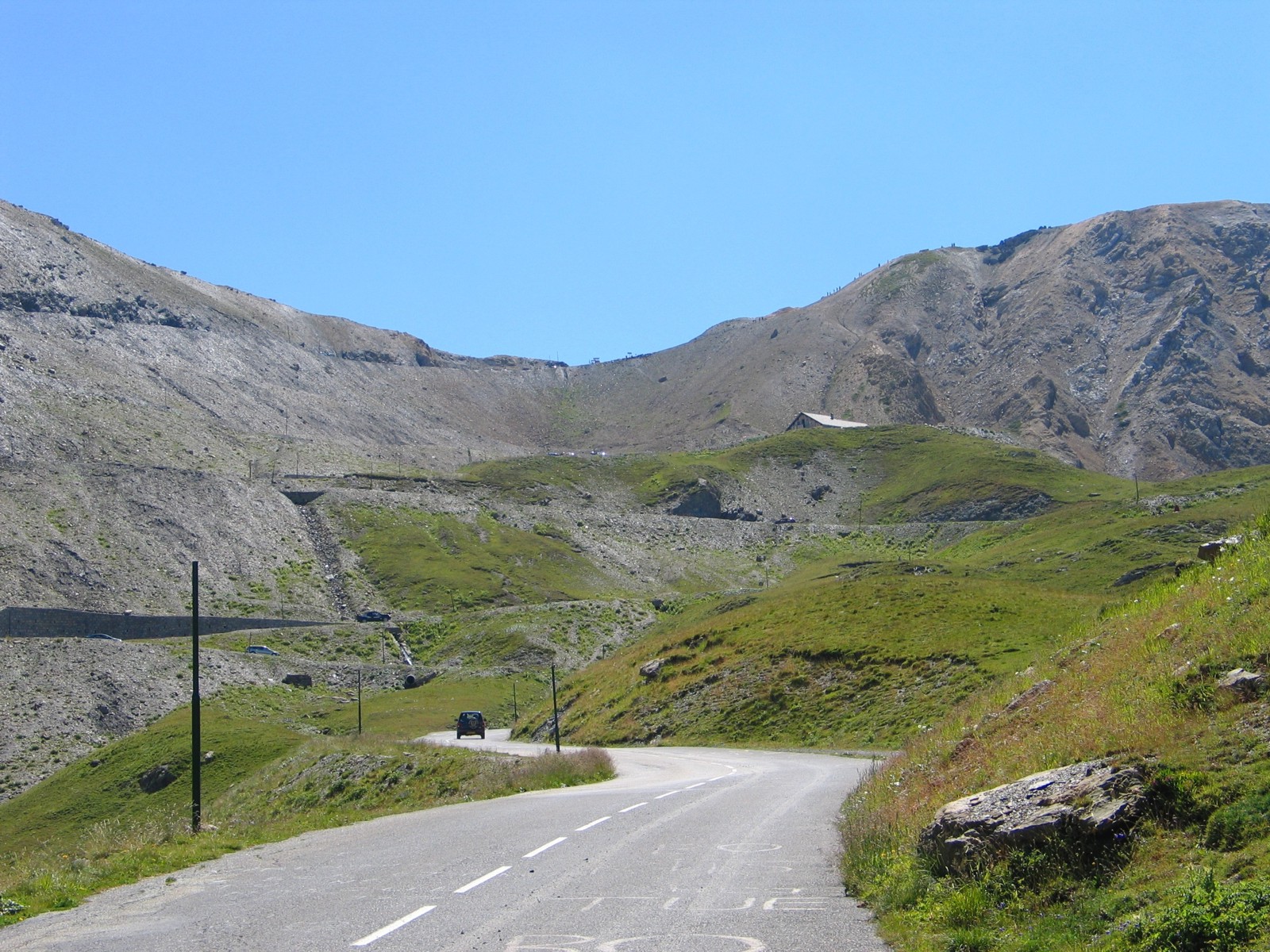
The history of Col du Galibier begins long before it became a mecca for cyclists. The pass has been a crucial route for centuries, dating back to ancient times when it served as a pathway for traders and travelers navigating the rugged terrain of the Alps. The first documented crossing by a motor vehicle occurred in 1891, and it wasn’t until 1911 that the Tour de France included this formidable ascent. Cyclists of that era faced the daunting challenge of navigating unpaved, uneven roads with bicycles weighing up to 15 kilos and lacking the gears modern riders take for granted. Among the pioneering cyclists who first conquered this pass were Émile Georget, Paul Duboc, and Gustave Garrigou, the only three competitors who managed to ascend without dismounting.
Over the decades, the route has evolved significantly. While the original path was little more than a mule track, the introduction of asphalt has transformed it into a smoother, more accessible ride. Yet, despite these modernizations, the mythical allure of Col du Galibier remains intact. Each year, it draws thousands of ambitious cyclists eager to test their mettle against the backdrop of its stunning alpine scenery.

As riders ascend the Galibier, they are surrounded by the dramatic peaks of the Écrins National Park, a stunning display of nature's artistry. The landscape here is characterized by rugged mountains, glacial lakes, and lush meadows that burst forth with wildflowers in spring and summer. The air is crisp, and the views are nothing short of spectacular, providing a perfect backdrop for both cyclists and nature enthusiasts alike.
Local culture thrives in the nearby village of Le Monêtier-les-Bains, where traditions run deep. This charming community is steeped in history, known for its thermal springs that have attracted visitors for centuries. The thermal baths, or les bains chauds, are a testament to the region's rich history of wellness and relaxation. Each year, the village celebrates the Fête de la Saint-Jean, a local festival that honors the summer solstice with bonfires, music, and traditional dances, bringing the community together in a vibrant display of local customs.
When it comes to gastronomy, the region boasts a cuisine that is as rich and varied as its landscape. Visitors can savor local delights such as tartiflette, a hearty potato dish made with reblochon cheese, cream, and lardons, perfect for refueling after a long day of cycling or hiking. Another local specialty is farcement, a savory cake made with potatoes, dried fruits, and smoked meats, often served during festive occasions. Pair these dishes with a glass of Vin de Savoie, a crisp white wine produced in the nearby vineyards, and you have a true taste of the Alps.
Among the lesser-known curiosities of Col du Galibier is the Galibier Observatory, a scientific station dedicated to studying climate change and its effects on the alpine environment. This research facility stands as a reminder of the delicate balance between human activity and nature, making it a fascinating stop for those interested in environmental science. Additionally, the pass has been featured in numerous films and documentaries, cementing its status as a cultural icon beyond the realm of cycling.
For those considering a visit, the best time to experience Col du Galibier is during the summer months, from late June to early September, when the roads are clear, and the weather is mild. Cycling enthusiasts should be prepared for variable weather conditions, as it can change rapidly in the mountains. Always carry layers and plenty of water, and take time to absorb the magnificent views from various vantage points along the road.
As you plan your adventure to this breathtaking alpine destination, be sure to seek out the hidden gems of Le Monêtier-les-Bains. From the warm embrace of its thermal baths to the thrill of cycling the legendary pass, the region offers a rich tapestry of experiences waiting to be discovered. For a personalized journey through this captivating area, consider using the Secret World app to craft your ideal itinerary.
