
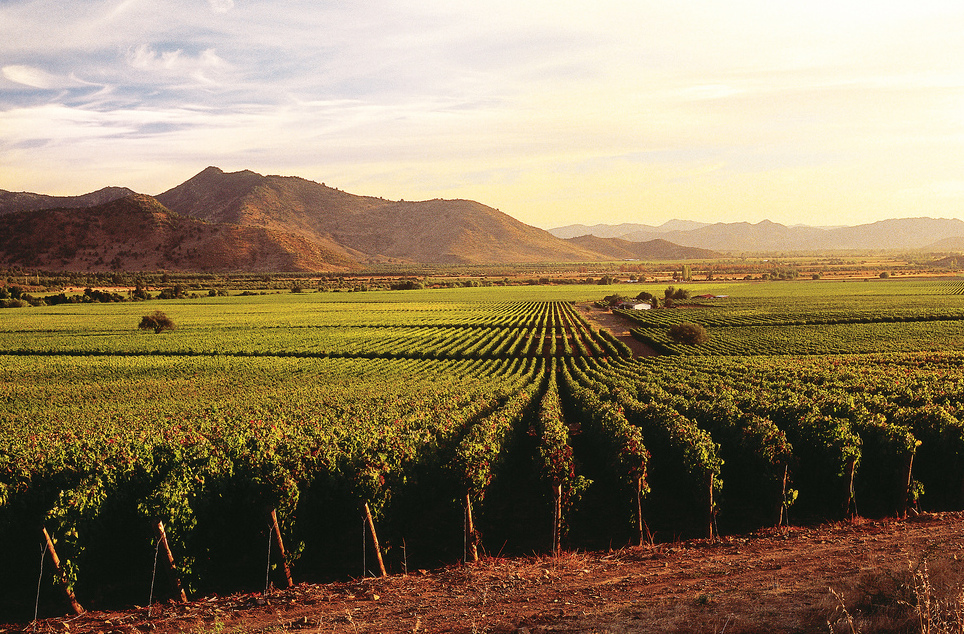

Nestled in the heart of central Chile, Colchagua Valley is a region that offers a rich tapestry of history, culture, and gastronomy. Known primarily for its world-class wines, such as Clos Apalta by Casa Lapostolle and the renowned Folly Syrah from Montes, this valley stretches for 70 miles, showcasing its diverse terroir and commitment to winemaking excellence.
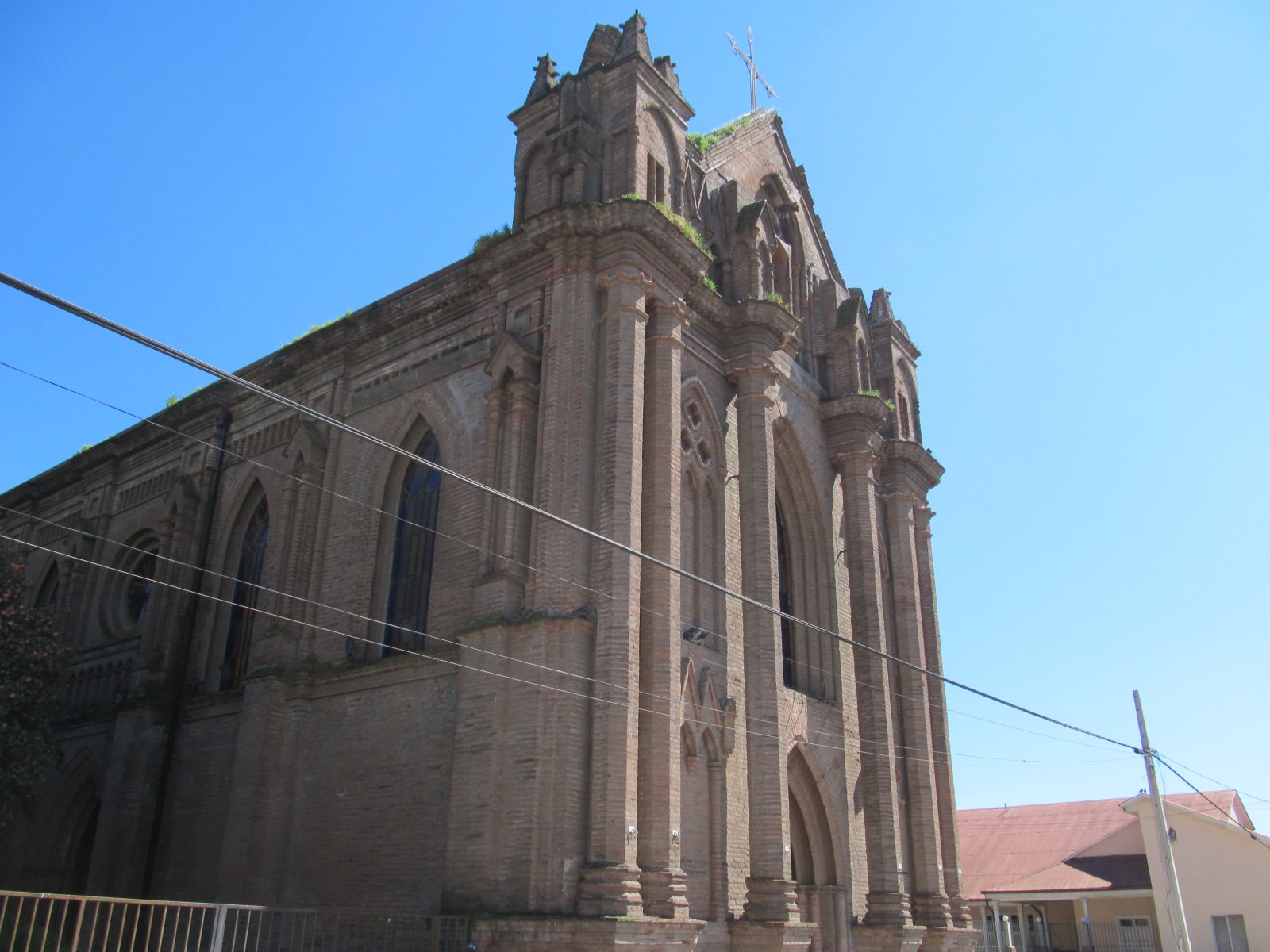
The history of Colchagua Valley is steeped in the ancient traditions of the indigenous Mapuche people, who thrived in the region long before the arrival of Spanish conquistadors in the 16th century. As settlers arrived, the valley became an agricultural hub, particularly during the 19th century when Chile's wine industry began to flourish. The establishment of key vineyards in the late 1800s laid the groundwork for the valley's current reputation as a premier wine destination.
Architecturally, the valley reflects a blend of Spanish colonial influences and modern innovations. The Casa Silva winery, established in 1892, is a prime example, showcasing both traditional and contemporary designs. Visitors can marvel at the bodega where barrels of wine age gracefully, surrounded by stunning views of the Andes foothills. Additionally, local art galleries often display works that celebrate the vineyard landscape, with vibrant depictions of grape harvests and the iconic Montes Winery sculptures that harmonize with the natural beauty of the surroundings.
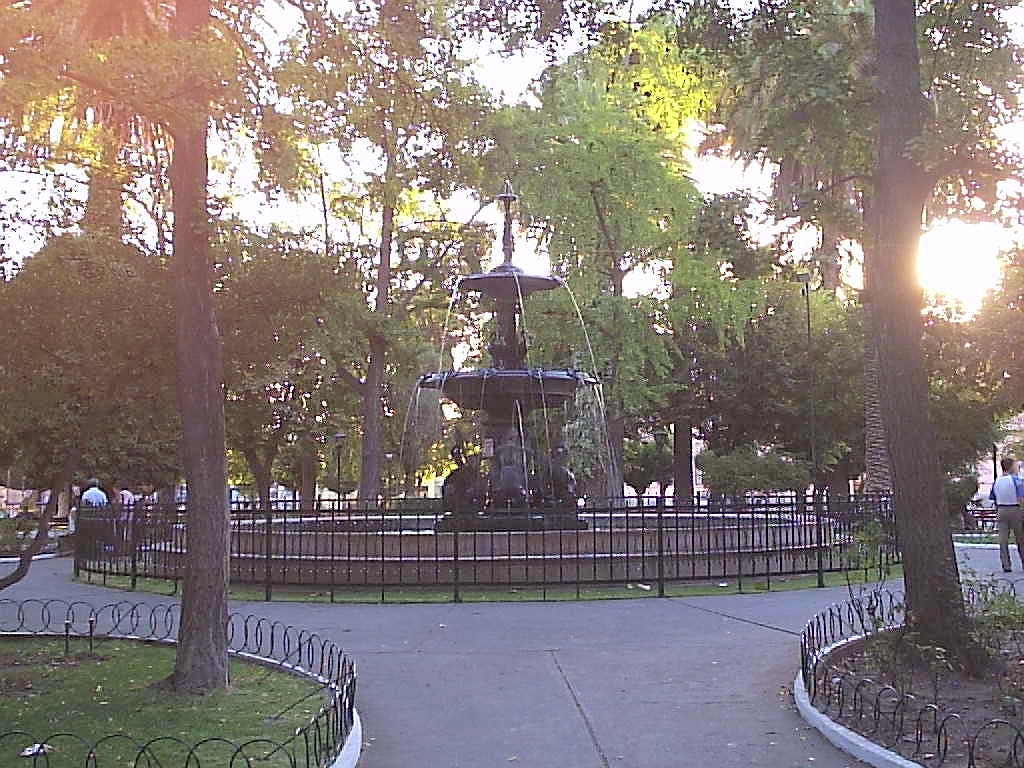
Local culture in Colchagua Valley is rich with traditions and customs that reflect the region's agrarian roots. The annual Fiesta de la Vendimia, or Grape Harvest Festival, is a vibrant celebration held every March. This festival features traditional music, dance, and, of course, wine tastings that showcase the valley's best offerings. Visitors can join in the festivities, enjoying local folklore and the joy of harvest season.
When it comes to gastronomy, Colchagua Valley excels in its culinary delights. The local cuisine is heavily influenced by its agricultural bounty, with dishes featuring fresh produce, meats, and, notably, the famous empanadas. Pair these with a glass of Carmenere, a grape that has become Chile's signature varietal, and you have a true taste of the region. Dining experiences often include farm-to-table options, where visitors can savor the flavors of the land in picturesque settings.
For those seeking lesser-known curiosities, the valley holds hidden gems that often escape the attention of casual tourists. The Museo de Colchagua, housed in a former railway station, offers intriguing insights into the valley's history, including exhibits on indigenous cultures and the evolution of winemaking in the region. Additionally, the Colchagua Valley railway was once a lifeline for transporting goods, and remnants of this historic railway still exist, providing a glimpse into the valley's past.
The best time to visit Colchagua Valley is during the harvest season, from March to April, when the vineyards are bustling with activity and events abound. However, spring (September to November) and fall (March to May) also offer pleasant weather and are ideal for exploring the picturesque landscapes.
When planning your visit, consider taking advantage of local tours that offer tastings and vineyard insights. Many wineries provide guided experiences that delve deep into the winemaking process, from grape selection to bottling. Be sure to sample local cheeses paired with exquisite wines, enhancing the tasting experience.
In conclusion, Colchagua Valley is more than just a wine region; it's a celebration of the rich history, culture, and flavors of Chile. With its stunning landscapes and vibrant traditions, it promises an unforgettable experience for every visitor. To ensure you don’t miss any hidden treasures in San Fernando, use the Secret World app to craft a personalized itinerary tailored to your interests.


