
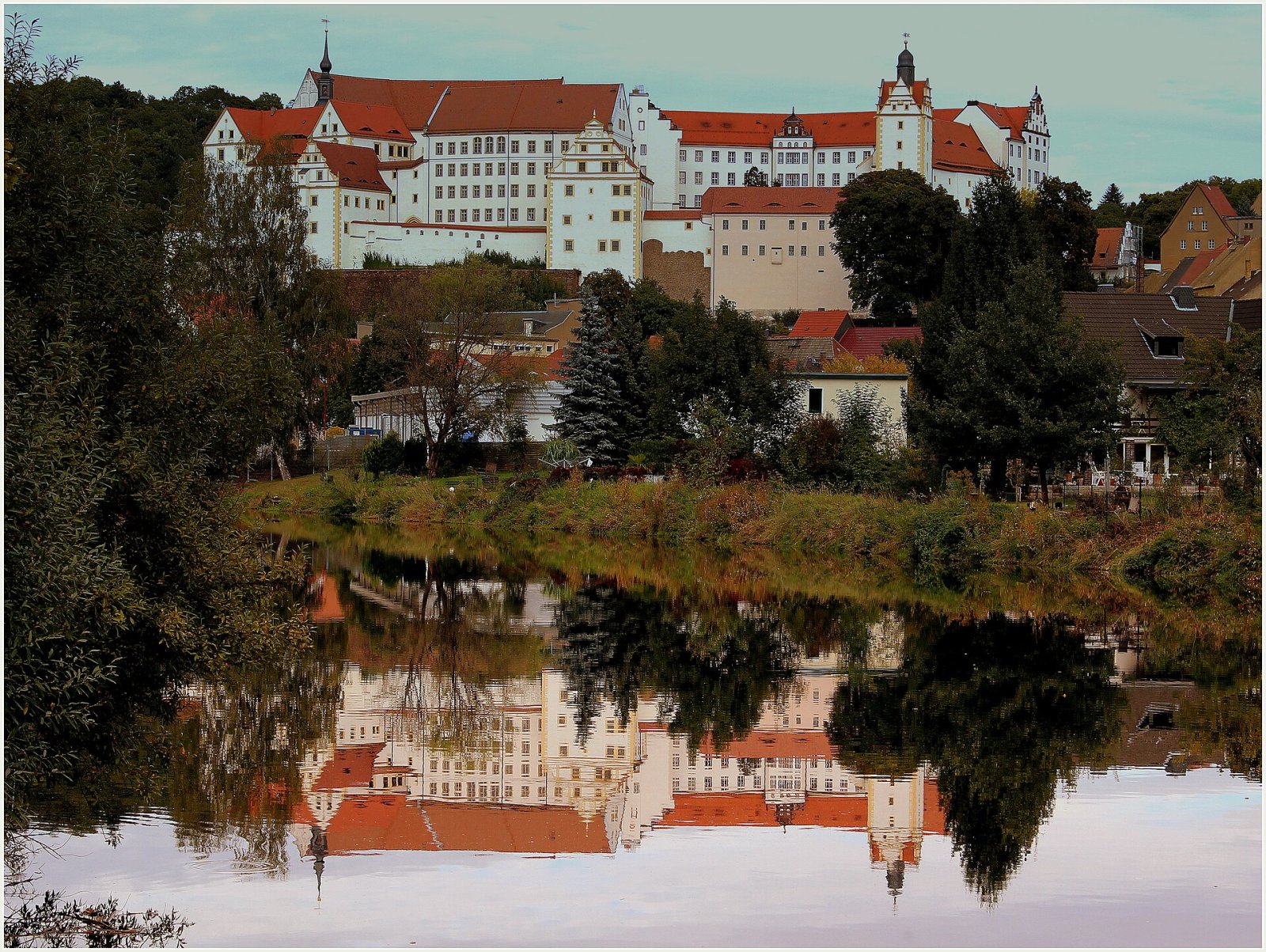

In the heart of Saxony, just a few kilometers from the cities of Leipzig and Dresden, stands majestically Colditz Castle, an imposing Renaissance fortress that tells centuries of history and adventures. This castle, located on a promontory overlooking the Zwickauer Mulde River, is famous not only for its architecture but also for its past as a prison camp during World War II. Its fascinating history attracts visitors from all over the world, eager to discover the secrets of this place steeped in stories of courage and determination.
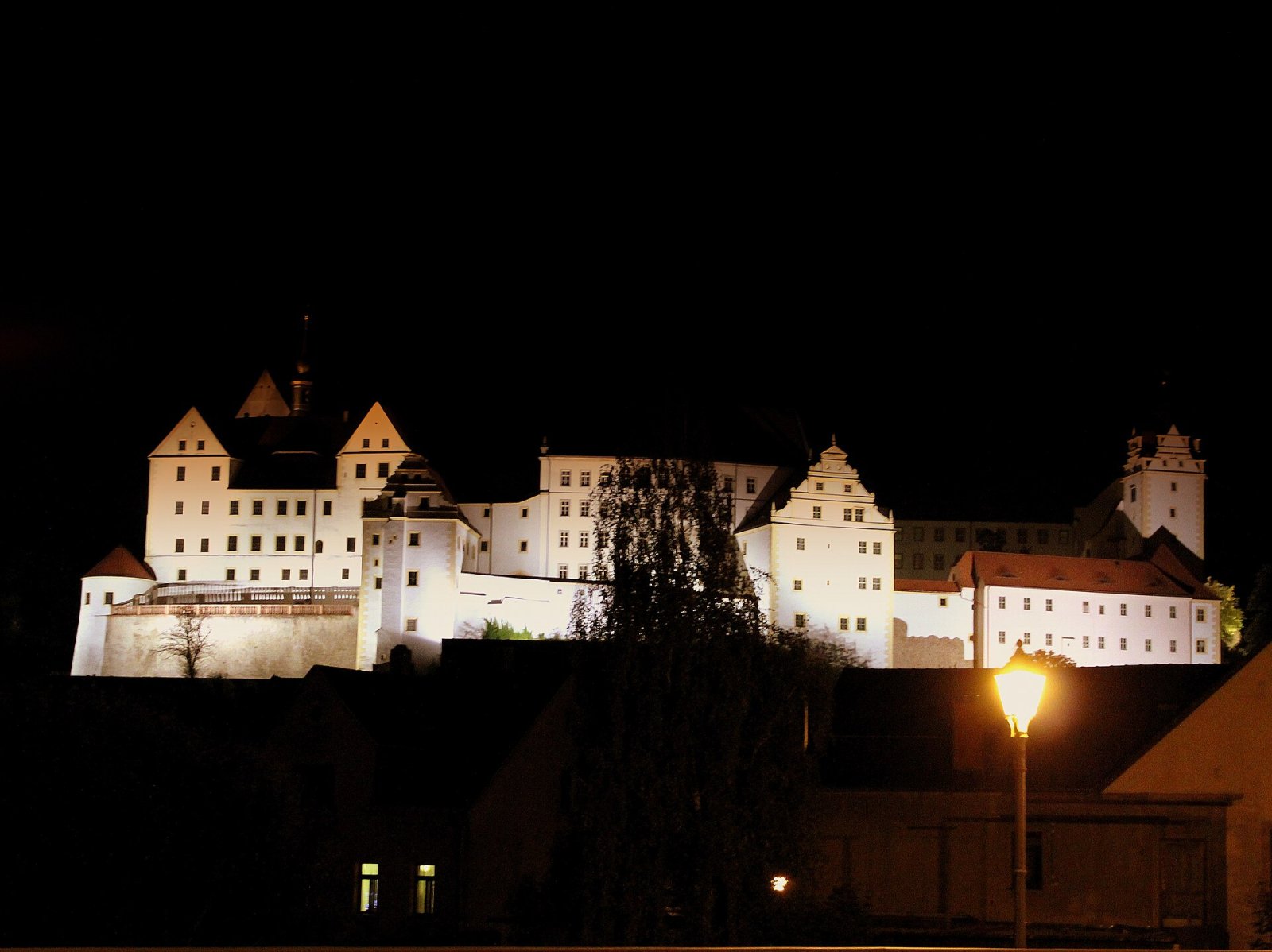
Built in the 11th century, Colditz Castle has witnessed the passage of time and undergone numerous transformations, becoming a symbol of resistance and hope. Throughout its existence, it has hosted illustrious figures and played a significant role in the development of the region. Today, its architectural beauty and historical significance make it a must-visit destination for history and culture enthusiasts.
History and Origins

The origins of Colditz Castle date back to 1046, when Emperor Henry III of the Holy Roman Empire granted the citizens of Colditz permission to build the first documented settlement on the site. Over the centuries, the castle underwent various expansions and renovations that altered its appearance and functionality. In 1158, Emperor Frederick Barbarossa appointed Thimo I as "Lord of Colditz," initiating a series of works that would transform the fortress into an important defensive and residential structure.
In the 20th century, the castle took on a new identity when it became Oflag IV-C, a prison camp for Allied officers during World War II. This period marked a crucial chapter in the castle's history, making it famous for the escape efforts of prisoners seeking to free themselves from a fate of captivity. The stories of these escapes, some successful and others failed, have contributed to creating an aura of legend around this place, which continues to be told and commemorated.

Elements to Observe
Visiting Colditz Castle, one encounters a variety of architectural elements that reflect its long history. The castle's facade, with its towers and battlements, is a splendid example of Renaissance style, while the interiors offer a fascinating glimpse into the aristocratic life of the past. Among the must-see rooms is the throne room, once used for ceremonies and official meetings, and the chapel, where one can admire frescoes and historical decorations.
Another notable aspect of the castle is its park, which in 1523 became the first zoo in Germany, housing one of the largest collections of animals in Europe. Today, the park is an ideal place for peaceful walks, where visitors can enjoy panoramic views of the surrounding countryside and reflect on the history that permeates every corner of this extraordinary castle.
Why It Is Interesting Today
Colditz Castle is not only a historical monument but also a place that stimulates reflection on themes of freedom and resistance. Its history as a prison camp during World War II offers discussion points on how people face adversity and fight for their freedom. Today, the castle hosts exhibitions and events that tell these stories, engaging visitors in an educational and touching experience.
Moreover, the castle has become a tourist attraction, with guided tours allowing exploration of the various areas of the castle and learning more about its fascinating history. Cultural events and historical reenactments organized within its walls offer a unique opportunity to immerse oneself in the past and experience the atmosphere of a distant era. For those wishing to delve deeper, the Secret World app provides detailed information and useful tips for planning the visit.


