



Deep within the lush, verdant embrace of the Sierra Nevada mountains in Colombia lies La Ciudad Perdida, a breathtaking testament to the ingenuity of the ancient Tayrona civilization. Often referred to as the "new Machu Picchu," this lost city offers not only stunning views but also a rich tapestry of history waiting to be uncovered.
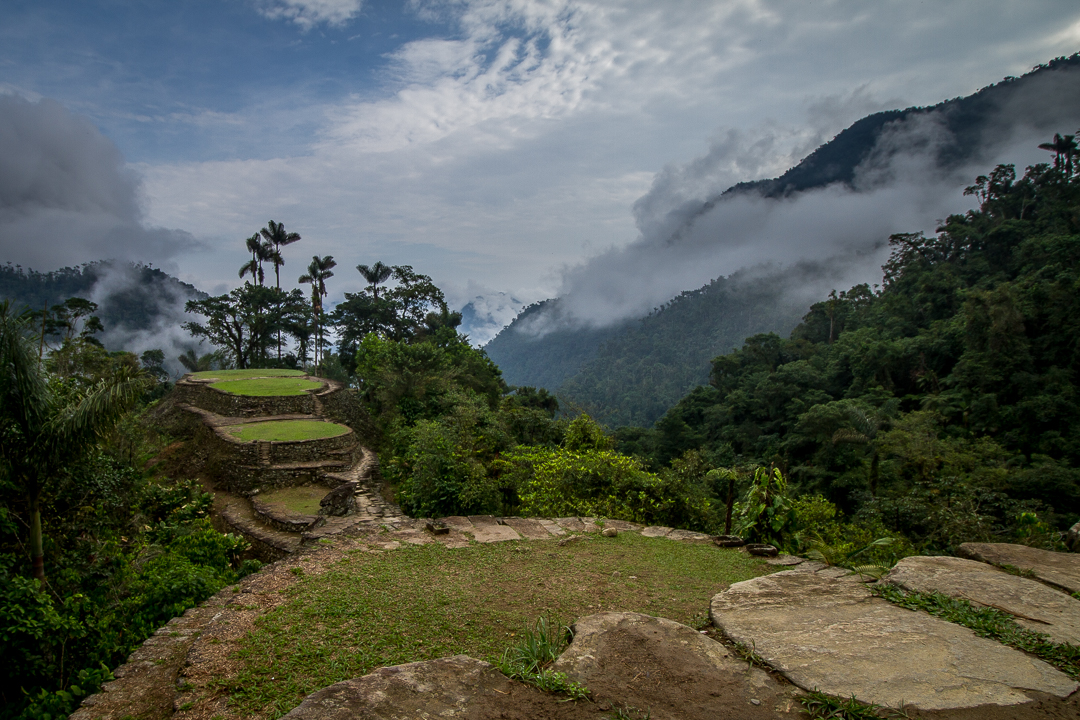
History and Origins Founded around 800 AD, La Ciudad Perdida was one of the principal settlements of the Tayrona people. This civilization thrived in the region until the arrival of Spanish conquistadors in the 16th century, which led to its decline. Following their encounters, much of the Tayrona culture was lost, and the city itself was abandoned, slipping into obscurity. It wasn’t until the 1970s, when looters stumbled upon the remnants, that La Ciudad Perdida began to regain attention. Since then, approximately 10% of the city has been excavated, revealing its intricate layout and historical significance.
The site is composed of a series of terraces, plazas, and pathways, all intricately linked to the landscape. As you trek through the thick jungle towards the city, the sense of stepping back in time is palpable, accentuated by the whispers of the past that seem to echo through the trees.

Art and Architecture The architecture of La Ciudad Perdida is a stunning representation of the Tayrona's advanced engineering and artistic skills. The city's design incorporates natural elements, with structures built from stone and clay that blend seamlessly into the mountainous terrain. Notable features include the circular plazas and the stone pathways that connect various sectors of the city.
While much remains undiscovered, the existing ruins showcase the intricate stonework and the careful planning that went into the construction of this urban center. The artistry of the Tayrona can also be seen in their pottery and goldsmithing, which was often used in spiritual practices and trade.
Local Culture and Traditions The surrounding region is home to several indigenous groups, including the Kogi, who are direct descendants of the Tayrona. They maintain a profound connection to the land and its history, practicing traditional customs that have been passed down through generations. The Kogi believe that the Sierra Nevada is a sacred place, and they engage in rituals that honor the spirits of their ancestors.
Festivals in the area often celebrate the changing of the seasons and agricultural cycles. These events are infused with music, dance, and vibrant colors, offering visitors an intimate glimpse into the local culture. Engaging with the Kogi people, when possible, can enrich your understanding of the historical and spiritual significance of La Ciudad Perdida.
Gastronomy No visit to this enchanting region would be complete without indulging in the local cuisine, which reflects the diverse influences of the area. Traditional dishes often feature arepas, a type of cornmeal cake, and sancocho, a hearty stew made with chicken or fish, plantains, and yuca. The use of fresh, local ingredients is a hallmark of Tayrona cooking, with an emphasis on flavors that resonate with the natural bounty of the jungle.
For those seeking a refreshing drink, try aguapanela, a traditional beverage made from panela (unrefined cane sugar) dissolved in water, often served with lime. It's the perfect way to rejuvenate after a day of trekking through the humid jungle.
Lesser-Known Curiosities While many are drawn to La Ciudad Perdida for its stunning views and historical significance, there are hidden stories that often go unnoticed. For instance, the city is believed to have been interconnected with other Tayrona settlements, forming a vast network across the Sierra Nevada. This illustrates the sophisticated trade and communication systems that existed long before European contact.
In addition, the area is home to unique wildlife, including rare bird species such as the Andean condor and numerous orchids that bloom throughout the year. These elements make the trek not just a journey to an ancient city, but an immersive experience in one of the most biodiverse regions on the planet.
Practical Visitor Information The best time to visit La Ciudad Perdida is during the dry season, which typically runs from December to March. During this period, the weather is more conducive to hiking, and the trails are less muddy.
The trek to La Ciudad Perdida typically takes about three to four days, requiring moderate physical fitness. It is essential to pack light but include essentials like sturdy hiking boots, insect repellent, and a reusable water bottle. Guided tours are recommended, as they provide valuable insights into the history and significance of the site.
As you venture through the lush landscapes, be on the lookout for local flora and fauna, and take moments to appreciate the breathtaking vistas that unfold before you.
Embarking on a journey to La Ciudad Perdida is more than just a physical trek; it’s a pilgrimage into the heart of Colombia’s rich cultural heritage. To create a personalized itinerary for your adventure in Santa Marta, consider using the Secret World app.
