
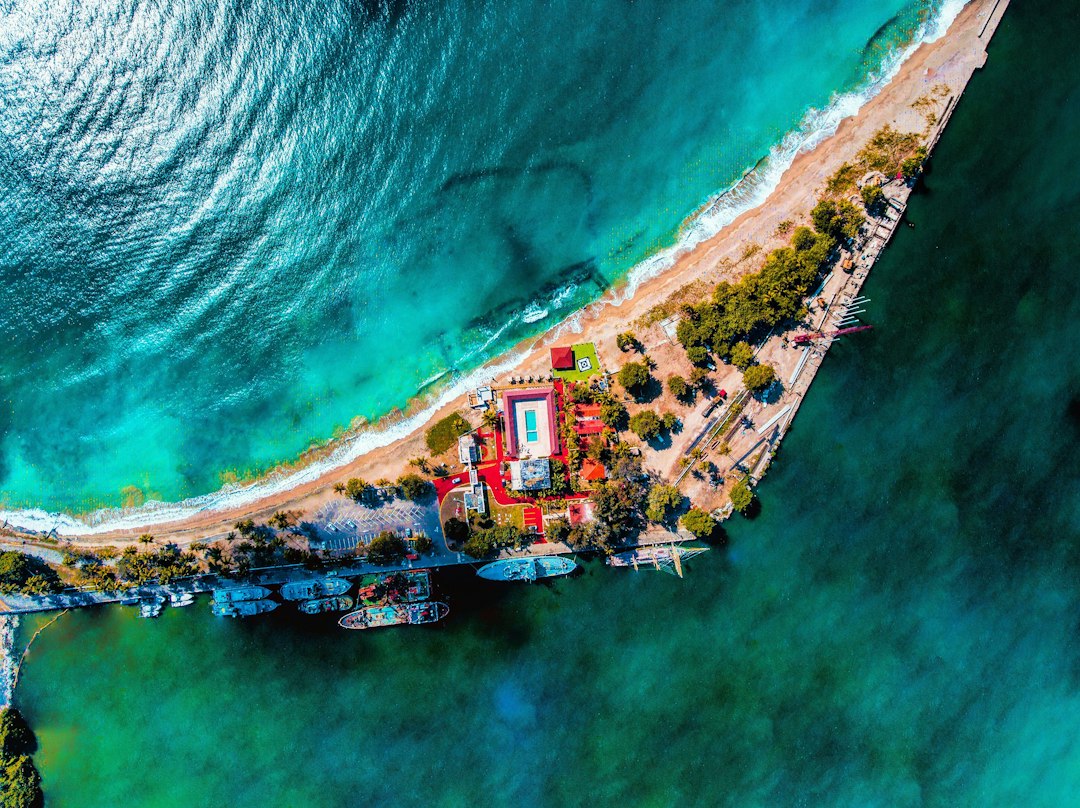

A dazzling white cross stands out against the Caribbean sky, visible from kilometers away both from the mainland and the sea. The Colón Lighthouse, inaugurated in 1992 on the occasion of the five-hundredth anniversary of Christopher Columbus's discovery of America, is located in Santo Domingo Este, in the Dominican Republic, and represents one of the most imposing commemorative monuments in the entire Latin American region. It is not a lighthouse in the traditional sense of the term — no rotating light guides ships in the night — but a mausoleum and museum dedicated to the Genoese navigator, built in the shape of a cross with a length of about 210 meters and a width of over 60 meters.
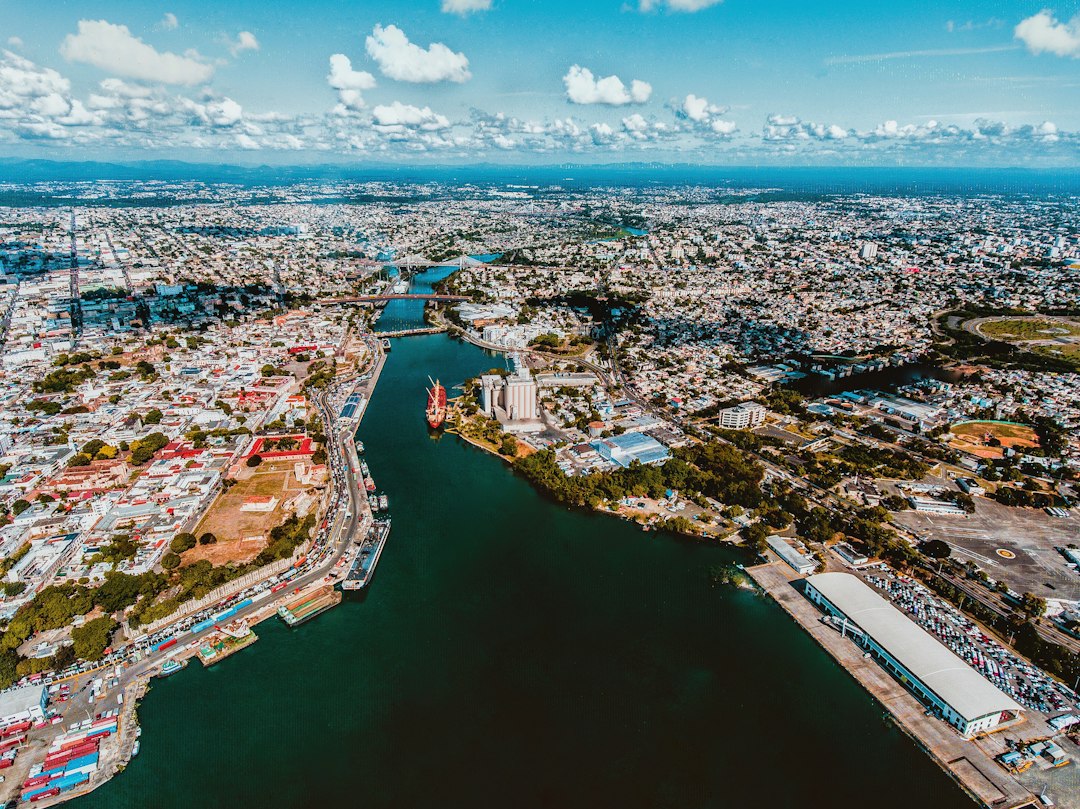
The structure is located in the Los Tres Ojos neighborhood, a few kilometers from the historic center of Santo Domingo, the first European city permanently founded in the Americas, a UNESCO World Heritage site since 1990. The original architectural project was conceived by the British designer Joseph Lea Gleave, who won the international competition held as early as the 1930s. However, the construction faced decades of delays and interruptions before being completed under the presidency of Joaquín Balaguer, who wanted to make it the symbol of the Colombian celebrations of 1992.
The architecture and mausoleum of Columbus
Approaching the Columbus Lighthouse is a visually powerful experience. The horizontal concrete structure — unusual for a "lighthouse" — is decorated with reliefs and symbols that evoke navigation and the conquest of the New World. Inside, in the central chapel, lie the remains that the Dominican Republic claims to be those of Christopher Columbus, housed in a marble sarcophagus supported by four allegorical figures. The dispute over the actual location of the navigator's remains — also contested by Seville and Havana — is still open among historians, but the sarcophagus remains one of the focal points of the visit.
Along the internal corridors are the rooms of the Columbus Lighthouse Museum, where various countries have contributed with permanent exhibitions documenting the history of navigation, the colonial period, and the pre-Columbian cultures of the Caribbean. The rooms vary greatly in quality and updates, but some — like those dedicated to nautical instruments from the 15th and 16th centuries — offer authentic and well-preserved details that are worth observing closely.
The lighthouse system and the coastal panorama
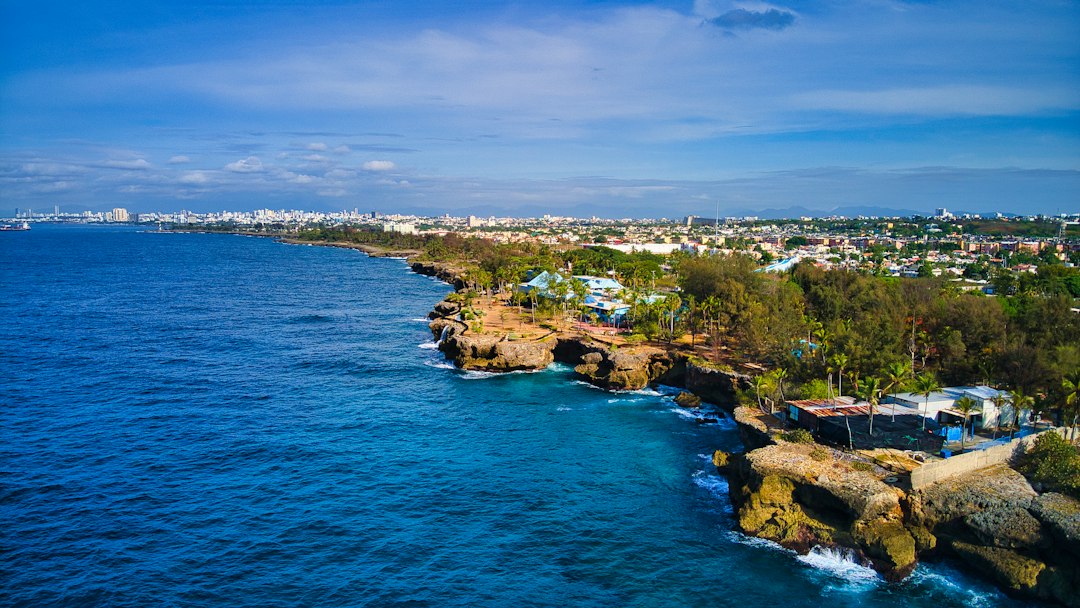
On special occasions, the Colón Lighthouse is illuminated by a system of powerful projectors that project a luminous silhouette of a cross into the sky, visible even from ships navigating in the Caribbean Sea. This nighttime spectacle, however, does not happen daily: it is reserved for national anniversaries and special commemorations. Those who visit the complex during the day can still appreciate the coastal panorama from the outdoor area, with the sea line opening towards the east and the green profile of the Dominican coast extending towards the horizon.
The contrast between the monumentality of the structure and the surrounding neighborhood is immediate and real: around the lighthouse are ordinary residential streets, street vendors, and the daily rhythm of a Caribbean suburb. This makes the visit authentic and far from the artificial atmosphere of certain tourist sites. The complex is surrounded by a tree-lined park that offers shade and a pleasant resting point during the hottest hours.
Practical tips for the visit
The entrance ticket to the Columbus Lighthouse is accessible — generally around 100 Dominican pesos, a symbolic amount that may vary — and includes access to the mausoleum and museum halls. The best time to visit is in the early morning, between 9 and 11, when the light is softer, the heat is still bearable, and tourist groups are sparse. Allow about an hour and a half for a complete visit that includes all the exhibition halls.
To reach the Lighthouse from downtown Santo Domingo, the most practical solution is a taxi or a ride-sharing service like Uber, available in the capital. The journey takes about 20-30 minutes depending on traffic, which can be heavy during peak hours. It is advisable to avoid visiting in the early afternoon, when the heat reflected from the concrete structure makes staying outside uncomfortable. Bringing water, wearing comfortable shoes, and checking updated opening hours in advance — which may vary on Dominican holidays — are simple yet useful precautions to fully enjoy this unique monument.


