
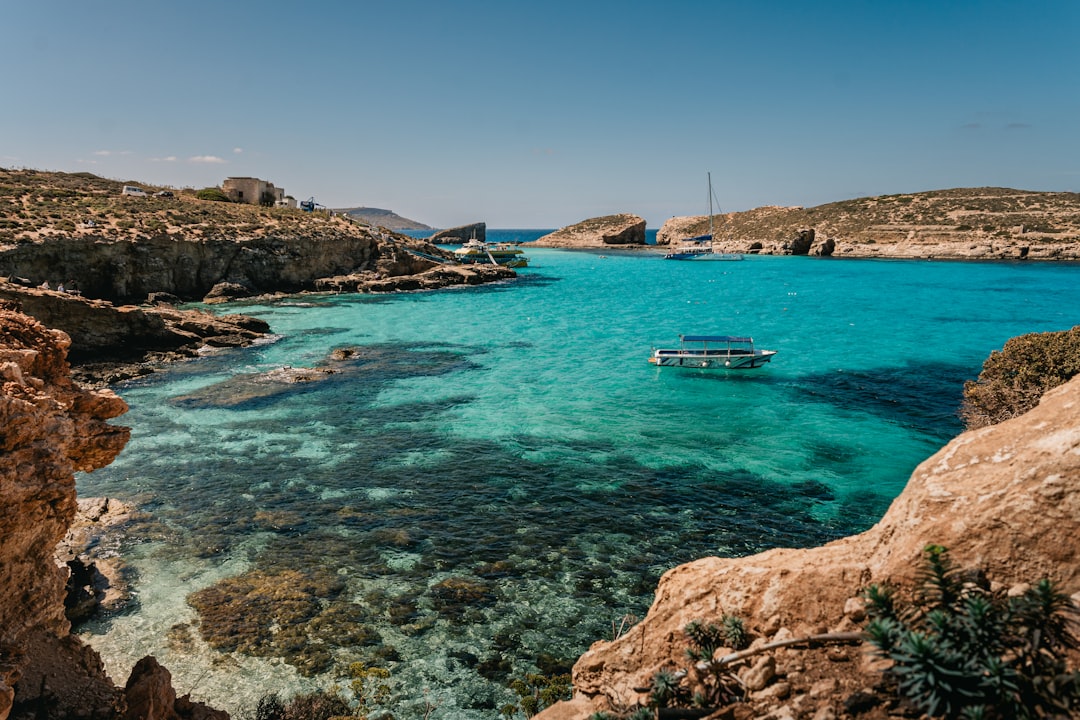

Three square kilometers of limestone rock, some patches of Mediterranean vegetation, and no cars. Comino, the smallest of the three main islands of the Maltese archipelago, is located in the narrow channel that separates Malta from Gozo and has very few permanent residents. There are no paved roads worthy of the name, no traffic lights, no souvenir shops. What there is, instead, is one of the most transparent waters in the central Mediterranean.
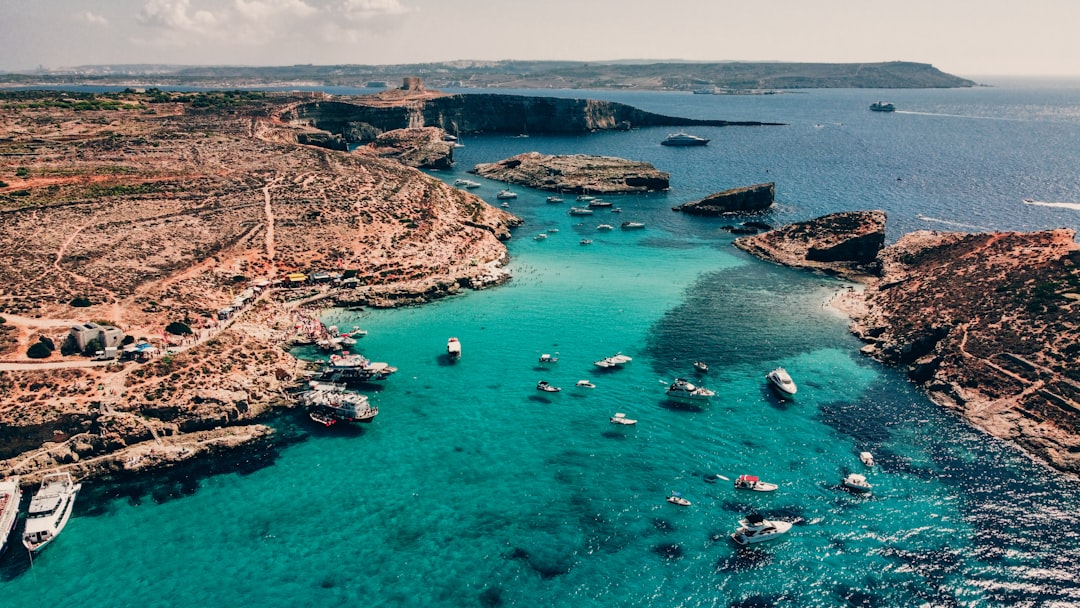
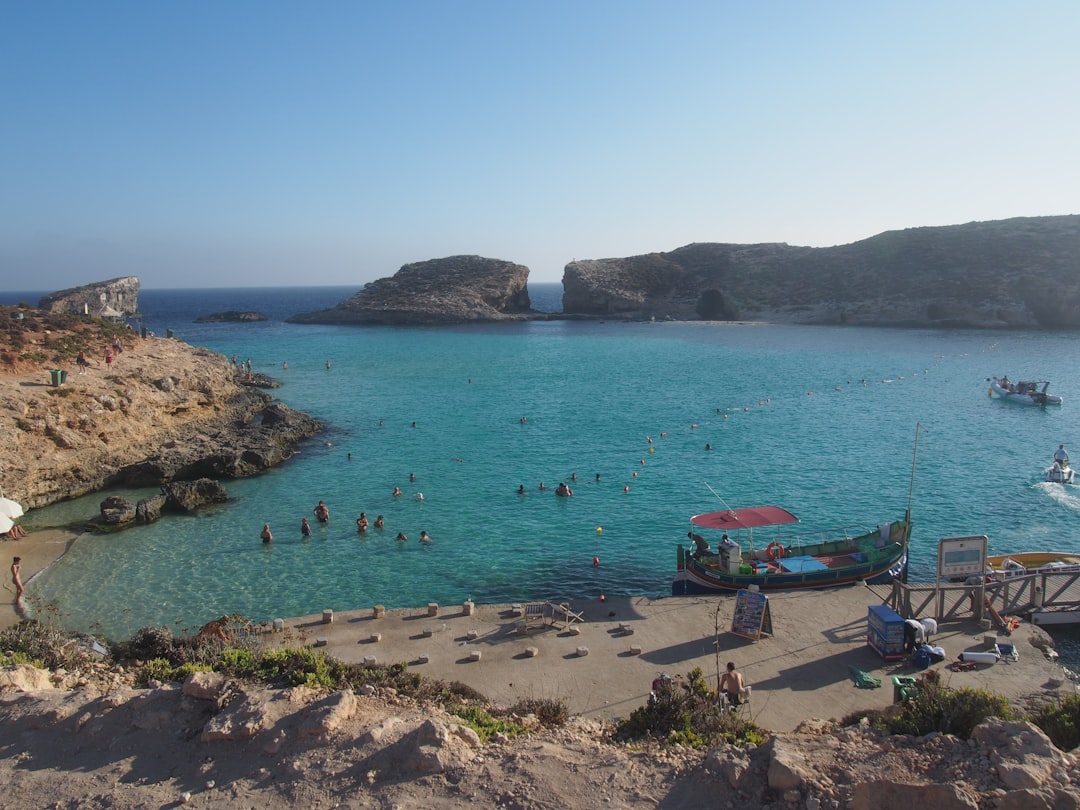
The main attraction is the Blue Lagoon, a bay nestled between Comino and the small uninhabited islet of Cominotto. The color of the water varies from intense turquoise to emerald green depending on the time of day and the position of the sun, and it is visible even from the boat approaching the coast. The shallow sandy bottom allows you to see every submerged detail with the naked eye, and underwater visibility in normal conditions easily exceeds ten meters.
How to reach Comino
There is no traditional scheduled ferry with fixed times all year round in the conventional sense: connections are provided by small boat companies that mainly depart from the port of Ċirkewwa, at the northern tip of Malta, and from Mġarr, the main port of Gozo. The crossing takes about fifteen to twenty minutes and the cost of a round-trip ticket generally hovers around ten to fifteen euros per adult, although rates can vary between operators and seasons.
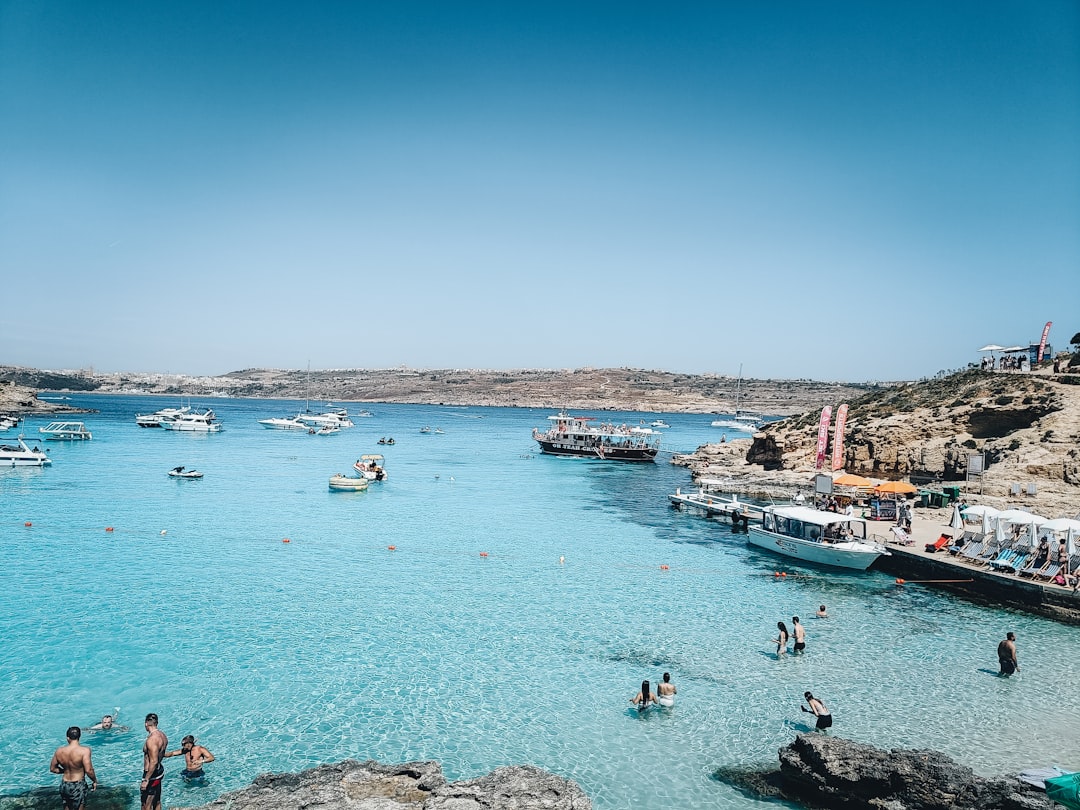
The most useful advice for those visiting Comino is just one: arrive as early as possible in the morning. Between July and August, the Blue Lagoon attracts thousands of visitors every day, and boats start dropping off tourists as early as the first hours of the morning. Those who arrive by nine still have some chance of finding a free spot on the beach and relatively clear water. In the afternoon, especially during the peak weeks of summer, the bay can become crowded to the point that it makes it difficult even to swim without encountering other people.
The Blue Lagoon and its ecosystem
The Blue Lagoon is not just beautiful to see: it is a protected marine environment where you can observe sea urchins, small colorful fish, and, with a bit of luck, some octopus hidden among the rocks. Those who bring a mask and snorkel can explore the rocky walls that delimit the bay, where the light filters differently depending on the angle. The water is generally calm because the geographical configuration of the bay protects it from the stronger currents of the open channel.
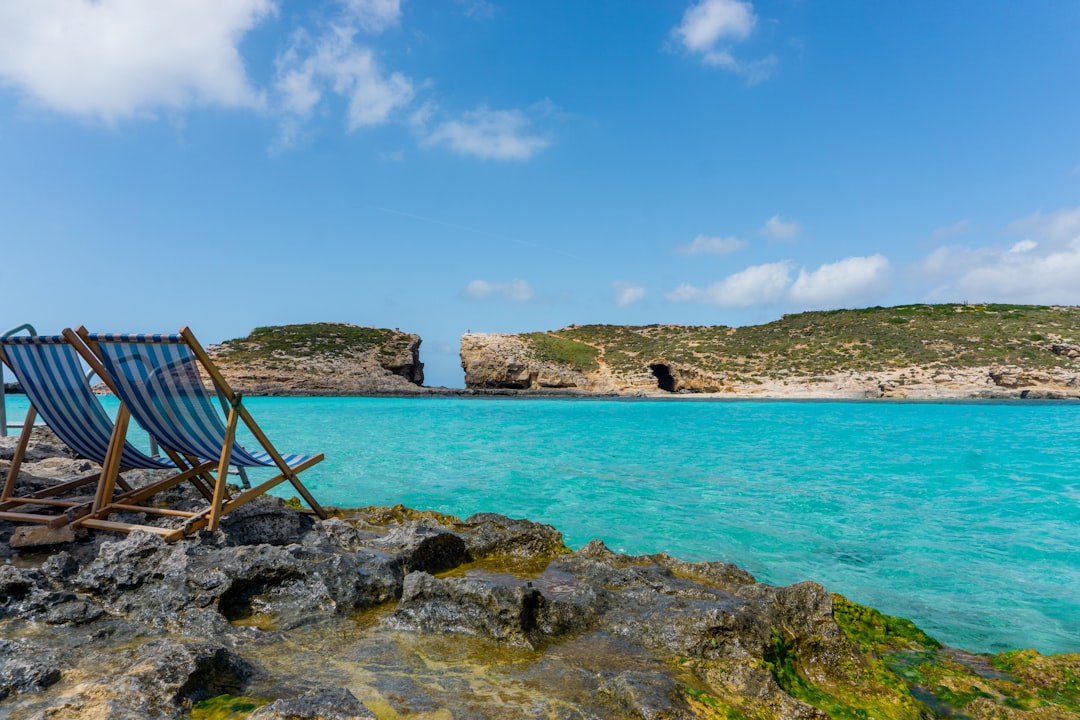
The islet of Cominotto, visible from the other side of the lagoon, is completely uninhabited and devoid of structures. Some boats circumnavigate it during excursions, and its coast features caves and crevices accessible only from the sea. The vegetation of Comino itself is characteristic of the Mediterranean scrub: wild thyme, from which the island takes its name according to local tradition, along with other shrubs typical of the arid climate of the Maltese islands.
The Tower of Santa Maria and the history of the island
Those who move away from the Blue Lagoon towards the interior of the island find the Tower of Santa Maria, a watchtower built by the Knights of St. John in 1618. The structure is still standing and well preserved, and represents one of the few historical architectural elements of the island. The coastal towers were part of a defensive system that the Knights developed along the entire Maltese coast to spot any enemy incursions from the sea. From the tower, there is a wide view of the channel and the coasts of Gozo and Malta.
The only accommodation on the island has been for decades the Comino Hotel, which has operated seasonally for many years. The structure has gone through periods of opening and closing, and the situation can vary from year to year, so it is always advisable to check availability before planning a stay on the island itself. Most visitors spend only one day in Comino, returning to Malta or Gozo in the afternoon.
When to go and what to bring
The best season to visit Comino in terms of climate is from May to October, with the warmest sea between July and September. However, May and June offer the best compromise between water temperature, already pleasant for swimming, and still manageable crowds. September is another good option: temperatures remain high but tourist flows begin to decrease after the summer peak.
Since services on the island are limited, it is advisable to bring enough water, lunch food, sunscreen, and everything needed for a day at the beach. The only facilities in the lagoon area are a few seasonal kiosks selling drinks and snacks, but prices tend to be higher than on the Maltese mainland. Suitable shoes for walking on uneven limestone rock are useful for those who want to explore the coast beyond the main beach.


